The rapid fermentation of chicken dung to organic fertilizers can be achieved by, inter alia, optimizing compost conditions (e. G. Temperature, humidity, air flow) and using fermentants. The following are specific operational steps:
1. Preparation of raw materials
Chicken dung: fresh chicken dung usually contains higher nitrogen and is easily fermented. Chicken dung can be used directly or mixed with other organisms (e. G. Straw, rice shells, herbs, etc.) to achieve better fermentation。
2. Add fermentant
The fermentation process can be accelerated by the use of composite microbiological agents. Bountiful bacteria in microbes decompose organic matter in chicken dung, rapidly increase temperature and inhibit the growth of harmful microorganisms。
3. Aligning humidity and temperature
Ensuring humidity between 40 and 60% and composting temperatures between 50°c and 65°c help accelerate fermentation and the elimination of harmful pathogens。
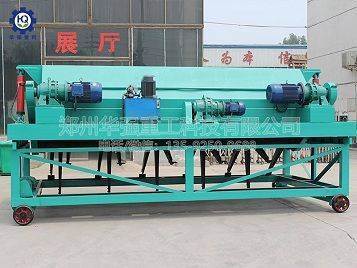
4. Rolling and venting
During the fermentation process, heaps are to be rolled regularly (usually every 2-3 days) to ensure composting permeability, to facilitate oxygen entry and to prevent over-heavy materials from causing oxygen deficiency。
5. Observation of the fermentation process
As the fermentation process progresses, the temperature decreases, usually for a period of 7-14 days. The fermentation is complete when the composting temperature returns to normal temperatures and the composting is dark brown and tasteless。
6. Screening and packaging
Once the fermentation is completed, the larger particles that are not fully decomposed can be sifted using a screening net to ensure the uniform and nuancedness of the fertilizer. This is better for use。
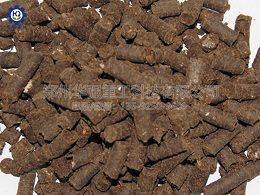
The key to the rapid fermentation of chicken dung into organic fertilizer is rational control of humidity, temperature and ventilation, timely stacking and the addition of appropriate fermentation agents. Through these methods, chicken dung can be converted into high-quality organic fertilizers within 7-14 days, helping to improve soil fertility and promote healthy crop growth。