1 structures of supply and demand in markets and price zones
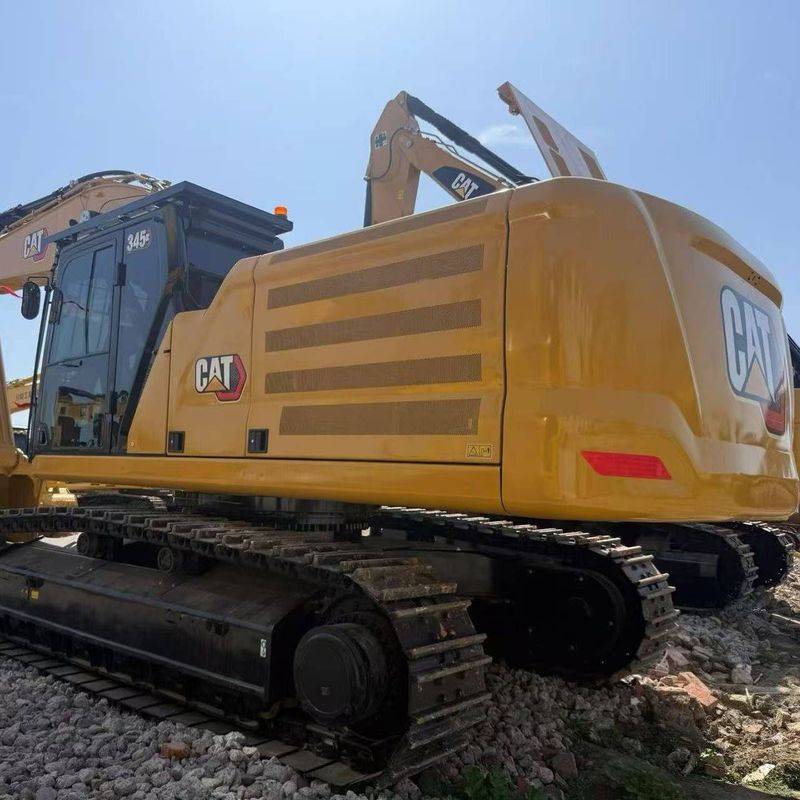
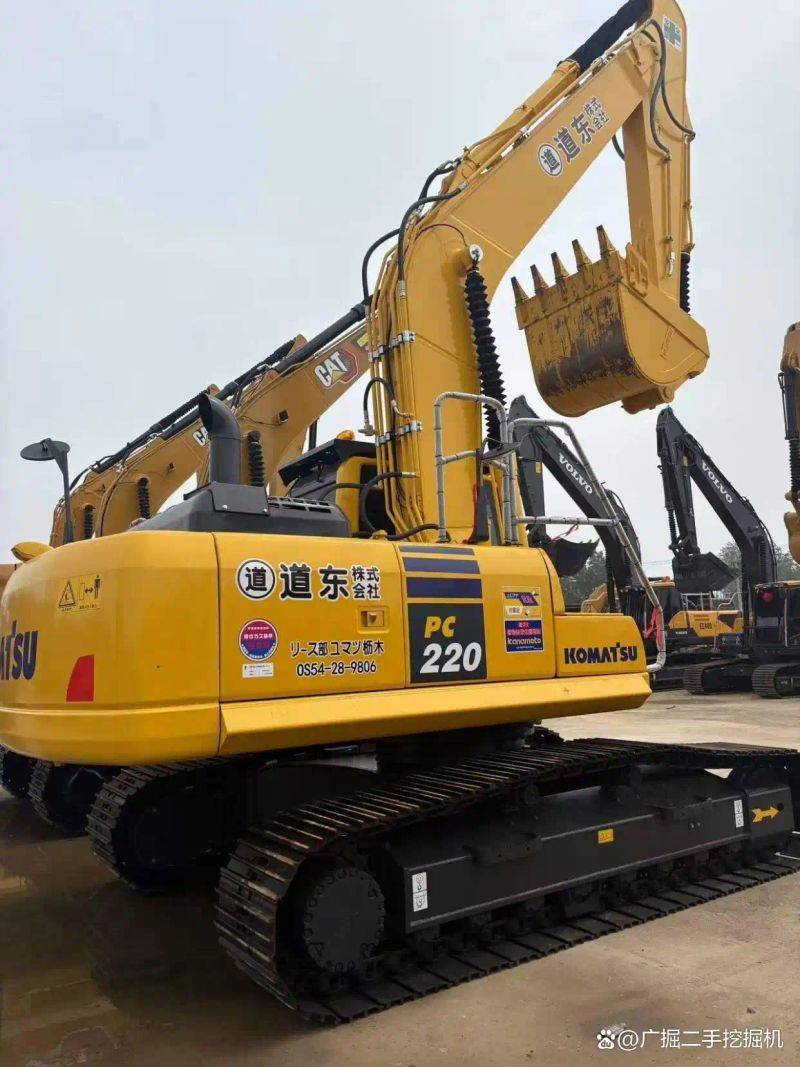
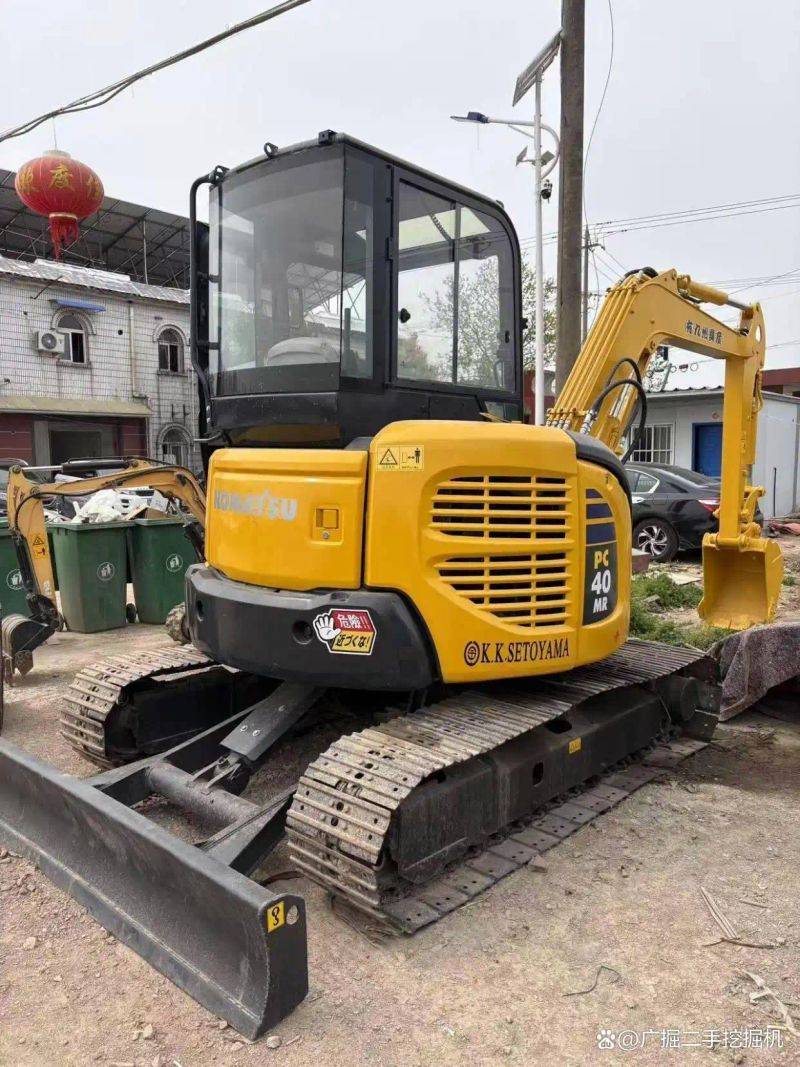
A second-hand excavator
The winner
Open 100 degrees app
Scanning now
Free advice
The formation of a market for second-hand excavators in winzhou between 150,000 and 200,000 yuan is closely linked to specific engineering needs and the life cycle phase of the equipment. This price is not randomly set, but is the result of a natural selection under a long-term game between supply and demand in the market. From supply-end analysis, most of the equipment flowing into this price zone is in the middle-end of its economic useful life, usually a medium-to-ton machine with a service life of 6 to 10 years and a working hours of 8,000 to 15,000 hours. The demand side consists mainly of small and medium-sized earth works, municipal maintenance, rural infrastructure development and individual engineering contractors, which are characterized by the limited size of the project, clear funding budgets and sensitivity to the return cycle of investment in equipment. The core contradiction in the segment was that the buyer sought to obtain the residual value of innovation and reliable productivity within a limited budget, while the seller needed to find a balance between depreciation and residual value of equipment. This supply and demand structure dictates the existence of a highly universal, maintenance-friendly and mature system for the supply of spare parts。
1 model technical spectrum and core component status assessment
Under this budgetary constraint, the usual machine types are concentrated mainly in medium-sized excavators of 21 to 26 tons, such as the pine pc200-7/8, caterpillar 320c/d, three sy215c and dooshan dh225-7 series. The selection should not focus solely on brands and models, but rather on the residual performance of their technological spectrum and core components. Engines, hydraulic systems and structural components are the three main technical bases for the assessment。
In the case of engines, it is necessary to verify whether they are configured to the original plant and whether there are major maintenance records. Focus on the smooth start of cold, normal operating exhaust colours (should be colourless or grey), abnormal vibration or continuous black/blue smoke. The consumption of oil is a key indicator for assessing the wear and tear of the cylinder group, which can be judged by tracking measurements over time。
The operational efficiency and energy consumption are directly determined by the hydraulic system state. The inspection should operate all movements to the limit, listen to whether the pump noise is smooth and sharp in the spill state, and observe whether there is a “self-sink” from the leaks in the tanks. The co-ordinated action of the main control valve can be tested both for the lifting and rotation of the moving arm, with delay or carton indicating that the core of the valve is insufficiently worn or the lead pressure。
Structure components are assessed to focus on areas of concentration of stress for detachments, retrenchments, moving arms and poles. The presence of cracks, patches or abnormal plastic deformations needs to be carefully examined. The gap in the carryback can be measured by a dedicated lever, and excessive spacing will lead to the movement of the car and the deterioration of the gear. The gap between the sales axis and the lining of the work unit directly reflects the overall wear and tear of the equipment and the level of maintenance。
Non-linear characteristics of depreciation and basis for negotiation
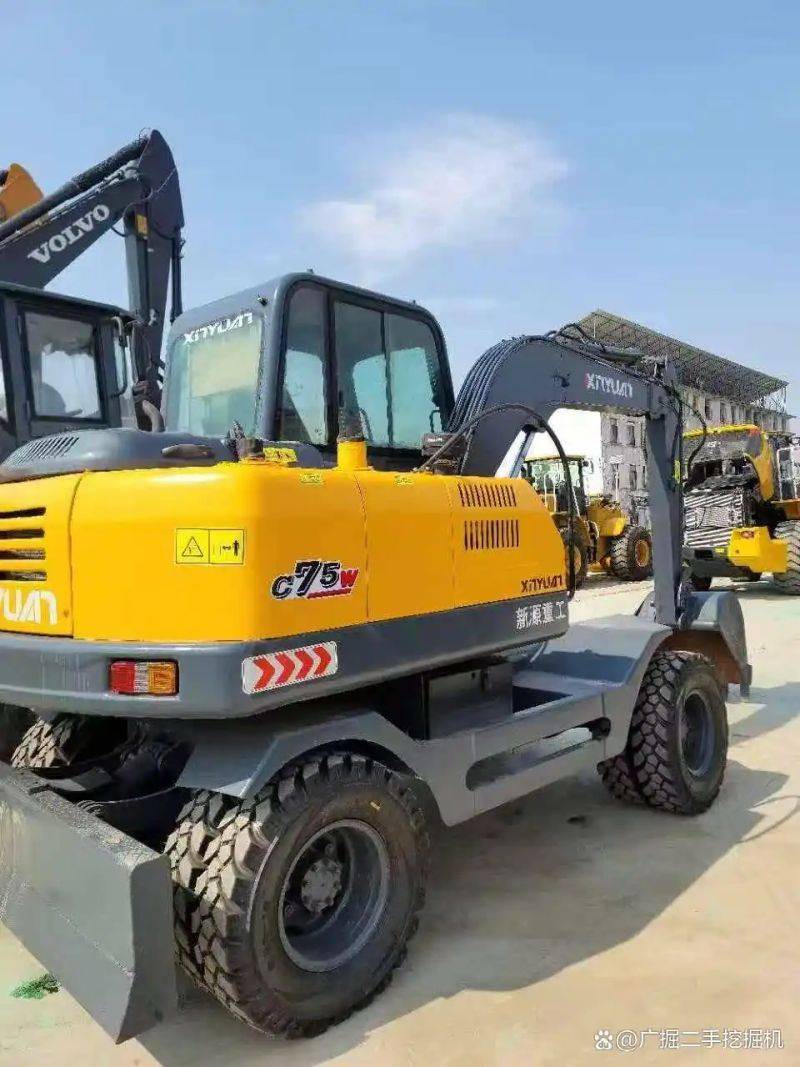
The depreciation of the value of the second-hand engineering machinery is not a simple linear process, and its residual curves vary significantly at different stages of the equipment's life cycle. The share of brand premiums in the value composition of equipment ranging from 150,000 to 200,000 yuan has been significantly reduced, with the main value being transferred to the remaining life of the core component and the functional integrity of the entire unit. The core basis of the price proposal should be quantitative rather than sensory judgement。
The number of working hours is the basic parameter, but diversity is read in conjunction with the history of the work intensity of the equipment. An equipment operating 10,000 hours of continuous operation in a mine may be worn to a much greater extent than an equipment working 13,000 hours on a general earth site. The value of maintaining the archives was higher than the hourly reading, which revealed the critical medical history and maintenance logic of the equipment. In the absence of a complete file, reverse inferences can be made by checking the production date code of the main component, the screw marks of the bolt, and the degree to which the pipes have been replaced。
Another key bargaining point is the hidden cost of intergenerational differences in technology. For example, an earlier type of excavator may use an open centre hydraulic system, whose fuel consumption and manipulation accuracy are generally lower than the modern closed centre load sensitive system. For electrical systems, from simple relay control to computer control with a vehicle-borne diagnostic function, the difficulty of troubleshooting is distinct from the cost of maintenance. The purchase of older models, which may be subject to higher failure rates, lower operational efficiency and more difficult to find, although with lower one-time input, should be converted to holding costs and factored into bargaining values。
3. Geographical market characteristics and suitability screening select
The type of work and geographical environment in the winzhou area have specific screening conditions for the type of excavator. Locally, it involves river siltation, soft-based treatment, municipal grid digging and mountain gravel operations, which require ground-to-ground pressure, fine manipulation of hydraulic systems and diversity of working devices。
Operating in riverways or coastal zones, attention is paid to the preservation of the equipment and to checking the presence of water stains or emulsion within the radiators, hydraulic tanks, and whether there has been serious erosion at the point where the structure has been painted. For mountain operations, the reptile capacity and brake safety of the equipment will be assessed and the motor brake valves will be checked for validity。
Adaptability is also reflected in ancillary devices. There is a common demand for thumb clamp, pine earth, hydraulic shears, etc. In the wenzhou market. At the time of the selection, it was necessary to check whether the host hydraulic system had a reserved spare valve interface and sufficient flow output and whether the main frame had been uncalculatedly reinforced or cut because of the fitting, which could cause professional damage to structural strength. The availability of local spare parts and resources for technical services is critical, and priority should be given to brands and models that retain high levels of ownership in and around wenchuan and where mainstream agents continue to provide technical support in order to reduce the time and financial cost of follow-up maintenance。
Risk control and accrual definition for transaction execution
Once the machine-type screening and technical assessment has been completed, transaction execution is the final point of risk control. This link would need to translate all the findings of the preceding missions into binding contractual provisions and to identify transfer points of authority。
(b) a multi-purpose field test, which shall simulate actual work, including complex actions such as reloading, flatting, turning, walking, etc., for a period sufficient to allow the equipment to reach normal working temperatures in order to expose leakage, acoustic or performance decay that may occur after the heater. All functions, such as air conditioners, lights, monitoring systems, etc., need to be validated during the test process, and the cost of repairing them, while relatively small, cannot be ignored。
Verification of title documentation is at the core of legal risk control. The original purchase machine invoice, product certificate, certificate of import goods, if applicable, and the model on the equipment sign, the factory number and the engine number are checked for consistency with the document. Whether mortgage loans have been closed, the equipment secured or judicially seized should be carefully investigated by the buyer through its own or professional channels。
The contract should be as detailed as possible. In addition to specifying the transaction price, the manner of payment and the time of delivery, a key description of the current status of the equipment (e. G., approximate working hours, known malfunctions, replacement of major components) should be attached to the contract. The contract should provide for a period of short-term liability after delivery, such as mechanisms for dealing with non-declared significant hidden malfunctions in the annex to the contract, such as return of goods, discounts or repair by the seller within 48 hours of delivery. Avoiding the use of vague clauses, such as “sale as it is” that exclude the seller's liability altogether, as it may be considered invalid in legal practice because the seller has failed to fulfil its obligation to inform the seller properly。
1. The acquisition of second-hand excavators in a budget of between 150,000 and 200,000 yuan is essentially a search for high-compatibility tools under the market supply and demand balance point, and an assessment of the remaining active life and performance of the three technical bases of engines, hydraulic systems and structural components, which should be easily branded。
2. The value assessment of the equipment requires an understanding of its non-linear depreciation characteristics, using the later holding costs implied by working hours, maintenance history, technical intergenerational differences as an objective basis for quantitative bargaining rather than relying solely on the initial purchase price。
3. Field missions before the transaction is concluded, verification of legal documents of title and clear contractual terms of authority and responsibility are necessary procedures to control financial risk and ensure the availability and legality of equipment, which are no less important than the technical status of the equipment itself。