When pregnant, many mothers care about the health of the foetus from time to time, and deformity is probably the greatest concern of all. What pregnancy tests are required to remove foetal malformations?
Down syndrome screening
Down syndrome screening, non-compulsory project. It is the detection of chromosomal abnormalities in the fetus by testing concentrations of alpha-protein (afp) and human velvet membrane adenogenesis (beta-hcg) in mother-to-mother blood。
Inspection period: 14 weeks + 6 days + 18 weeks + 6 days, preferably between 16 and 18 weeks。
Why strictly control the timing of inspections?
Because it affects the accuracy of the results, both in advance and after error. If a period of time is missed and no additional checks can be made, only amphibians can be examined。
Methodology for down syndrome:
A small amount of mother-specific vein extraction is safe and not dangerous for both the mother and the foetus。
Who needs to be screened for down syndrome:
(1) over 35 years of age
(2) there has been a birth history of an abnormal child, such as a child with a hydrocephalus。
(3) unidentified termination of development or birth。
(4) prenatal haemorrhage. Vagina bleeding occurs during pregnancy。
(5) there is a history of medication in the early stages of pregnancy and it is not known if it has any effect。
(6) at the early stages of pregnancy, there has been a history of exposure to hazardous substances。
(7) family history. The pregnant woman herself had no past but had a clear family history, and the first pregnancy should be screened for down。
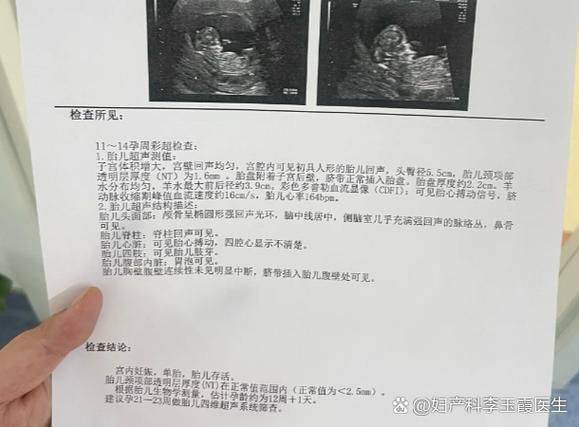
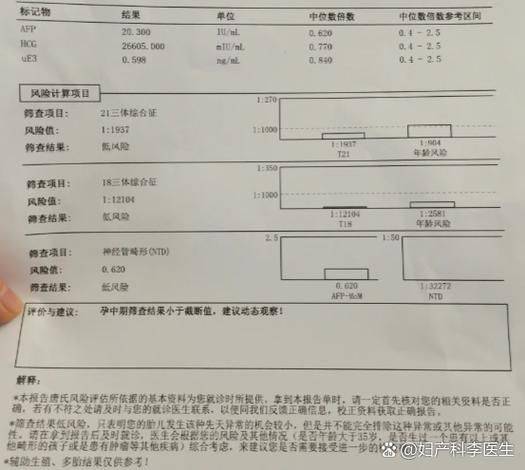
How to look at the results of the down syndrome screening:
The doctor enters into the computer the values of foetal protein, velvet membrane gland hormones, age, weight, number of pregnancy weeks, etc., and calculates the risk of down syndrome in the foetus. If the test results indicate that the risk is below 1/270, it means that the risk is lower, with less than 1% of the fetus having a down syndrome. However, if the risk is higher than 1/270, which means that the risk of foetal disease is higher, further amphibious or fuzzy film sampling should be performed。
Accuracy of results: 60% - 70%。
Cost reference: $200-300。
Carnation alerts: in some areas, an early appointment is required, and it is advisable to consult doctors in advance of the 14th week of pregnancy, for example, on the need for an empty stomach, when the results will be available, etc。
More down syndrome screening hotspots:
Question: "what kind of disease is down syndrome? What are the genetic odds?"
Answer: “dang syndrome medically referred to as 21-3 chromosome malformation, which is what we commonly call congenital folly。
Only about 4 percent of the first-born fools are genetic. In most cases, genetic mutations are the cause of which the risk of disease is difficult to control, and therefore should be detected early through screening.”
"does it have to be a down screening?"
Answer: “the ministry of health has established that all mothers-to-be should be screened for down between 14 and 19 weeks of pregnancy。
For example, a pregnant mother who is married to a close relative, a mother over 35 years of age, a mother who has given birth to a child with chromosome abnormalities, multiple miscarriages or stillbirths must be screened on time
Question: "is the incidence of downs still related to mom's age?"
Answer: yes, it has a close relationship with mom's age. The incidence of downs will multiply with the age of the mother. The probability for females under 25 years of age is about 1/2000, while at 35 years of age it rises to 1/300, and for females over 44 years of age, the probability is as high as 1/40. It is therefore recommended that pre-pregnancy consultations should be conducted for women who have reached the age of 35 who wish to become pregnant. The doctor will inform you about the examinations to be performed during pregnancy and what to take into account.”
Q: "i heard that a lot of tang sifts for high-risk para-mothers, and the result is normal. Why is this happening?"
Answer: "tang's false positive rate is quite high. But the false negative rate is not very high. That means that it is normal even for some mothers-to-be who have been diagnosed as high-risk. The accuracy of the tang screening is affected by many factors.”
"what factors affect the accuracy of the screening?"
Answer: “for example, the date of the mother-to-be's last menstruation, the actual pregnancy week, the normal period of menstruation, etc. Mother-to-mother can remember the time of early pregnancy response, the time of the urine test, and the time of the birth start, if one shot is taken within three months of pregnancyb superpower (especially during the 11-12 weeks of pregnancyb and the lightness of the post-neumatic cord) can help to determine the actual pregnancy week more accurately and make the results of the tang screening more accurate.”
Question: “can i not do it if i hear that a water piercing could cause an abortion?”
Answer: “the mother-in-law with low screening can not wear sheep, but should do so if the result is high, or if there is a family member who has had downs, or if the mother-in-law who had previously aborted for unknown reasons. In addition, prospective mothers over 35 years of age should also do so. Because the rate of abortion through the water is very small, don't worry."
Question: "did i hear that it's hard to dress a sheep and that it's time-limited?"
Answer: “it should normally take place before the 21st week of pregnancy. Don't worry, the hospital will schedule the sheep's clothing according to the pregnancy week for each of the mothers-to-be, so there will be no failure to meet them after 21 weeks.”
B super-temporal check
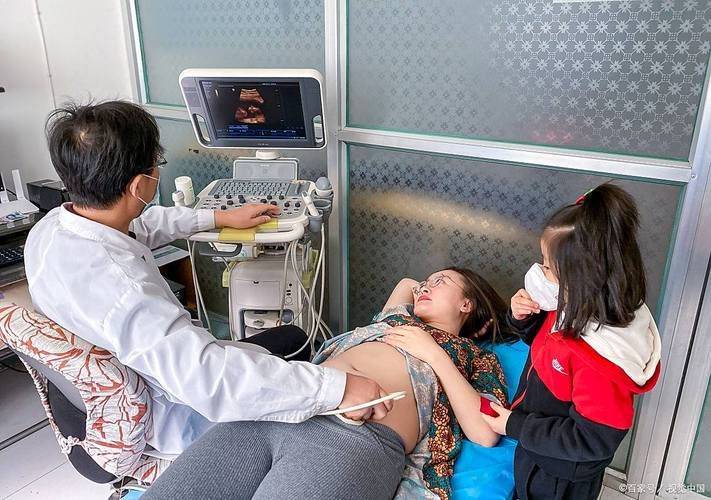
Time frame for the examination: the pregnant woman should go to a hospital for an examination about 20 weeks of pregnancy, preferably not more than 28 weeks。
The examination projects include: observation of the foetal nasal lip, the heart, most of the anatomical abnormalities and birth defects such as brainlessness, brain water, spinal fractures, body malformations, severe lip fractures and congenital heart disease。
Three-dimensional colours in around 24 weeks clearly show the various organs of the fetus, understanding the growth and development of the foetus, observing whether the head, body and the general structure of the organs are abnormal. There are also regular check-ups on the heart, blood pressure, etc。
Eight fetal malformations b cannot be detected
Almost all the internal organs of the foetus are constantly evolving before birth, and therefore not at an early stage of examination, when they are in a normal condition, they are certain to be normal after birth. It is also impossible to adjust the position and position of the foetus and to obtain images of certain angles because ultrasounds are restricted to the belly and uterus of the mother. Director sun raised the following cases where ultrasound examination was limited by the growth of the foetus:
1. Hydro-brain: there are many hydro-brain or renal conditions, which occur only later in pregnancy。
2. Full blind: the foetus is not able to diagnose the condition of congenital blindness or small-eye disease because of the lack of light stimulation in the womb。
Hearing: at the age of five to six months, hearing had developed, but there was no way to know whether the foetus had congenital hearing impairments。
4. Congenital heart disease: the hysteria of the heart (i. E. The ovary hole) and the arterial catheters are not gradually closed until after birth, although they are easily diagnosed at birth but cannot be known before birth。
5. Gastrointestinal blockage: gastrointestinal blockages occur very rarely before the twenty-fourth week of pregnancy, as the fetus swallows very little of the water。
6. Artificial (finger, toe) end abnormalities, such as flipping or flipping inside or out of hands and feet, loss of multiple fingers (toes), and missing fingers or fingers, and because the foetus is often in the condition of a handshake, it is almost impossible to be diagnosed with an exact ultrasound。
Pygmy: there are partial dwarf symptoms that cannot be diagnosed at an early stage. Because the fetus is six to seven months old, the growth of bones is gradually stopped。
8. Congenital metabolic anomalies: the vast majority of biological and chemical metabolic abnormalities, such as viscosy, occur only after the baby is born to feed. As a result, many lethal bio-chemical metabolisms are not identifiable during the prenatal period unless the mother has given birth to a baby with a similar disease。
The water piercing
Period of examination: 16-22 weeks
Membrane cavity puncture is the most commonly used method of prenatal diagnosis, led by doctors, with a long penetrating needle through the abdominal wall, the uterus and the membrane, to extract 20-30 ml of sheep water to examine the chromosomes, dna, biochemical components, etc. Of fetal cells. The operation was simple, there was no need for anaesthesia prior to puncture and no need for hospitalization。
What's the risk of amniotic cavity? Does it hurt the foetus? Does it cause foetal malformations?
Membrane cavity, which has been used for prenatal diagnosis for 30 years to date, is recognized by the medical community for its accuracy and safety. The difficulty of perforation of the amniotic cavity varies from person to person, mainly in relation to placenta location, foetal position, volume of water in the piercing area, foetal activity, etc。
About 2 to 3 per cent of pregnant mommys suffer from slight uterus contraction and vaginal bleeding after puncture, usually reduced after rest or birth treatment. Only about 0. 5 per cent of pregnant mommys suffer from amniotics, foetal fractures and miscarriages。
Since the punctures are currently completed under the guidance of ultrasound, the possibility of damage to the foetus is minimal. In addition, amphibian cavities are used for prenatal diagnosis for periods of 16 to 22 weeks, at which point the fetal body, limbs, etc. Are fully developed and thus do not cause foetal malformations。
Which pregnant mothers do amphibians?
Mother at age 35。
Down screening high-risk pregnant mommy。
This is especially true of pregnant mothers who have had congenital defects, especially those who have had chromosomal abnormalities。
A couple is a chromosome abnormal。
(b) persons carrying a sexual chain of genetic diseases when the sex of the foetus is determined in the middle of pregnancy。
There have been neurological tube defects or the seroprotein of this pregnancy is significantly higher than the normal pregnancy。