In-depth combing of large commodity price increases: chemical diversity increased by more than 50 per cent, and semiconductor materials increased by a record number
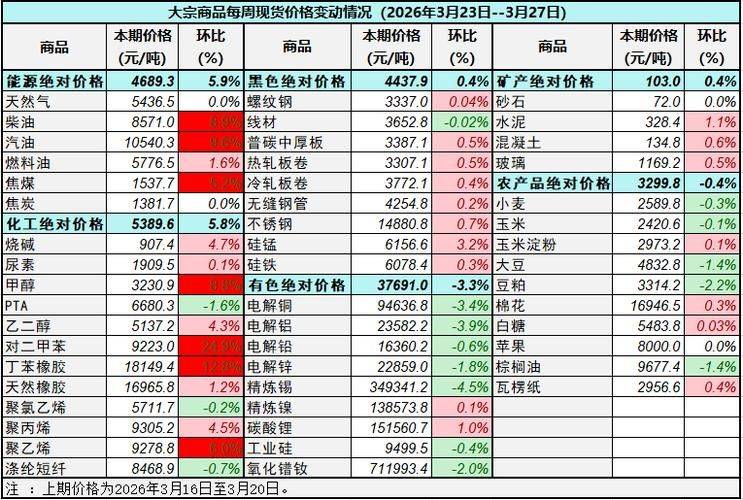
Since 2026, large commodity markets have shown significant structural supply and demand gaps. The global index of price indices for industrial materials (mpi) increased by more than 10 per cent in the first quarter and is expected to continue to grow in double digits in the second quarter, about 25 per cent higher than the pre-geographic forecast. The current round price increase is characterized by a split pattern of "high upstream, weak mid-central and poorly transmitted downstream", with the most dramatic increases in the price of the capable varieties and some of the key materials, with prices of nine chemical varieties increasing by more than 50 per cent a quarter, and some of the essential metals in return for demand concerns。
Chemical products: the sulphur industry is at an all-time high with multiple varieties increasing by more than 50 per cent
Chemical products are the most concentrated area in the current round of price hikes, with many varieties rising significantly:
In terms of supply shortages: in weeda declared force majeure due to the middle east conflict, which resulted in limited supply of butadiene, which affected production of amphibian, amitamine and nylon 66 slices, supply disruptions quickly transmitted downstream and prices of products such as nylon 66 increased significantly. Large organic silicon markets have a high level of priced and emotional sales, with an average dmc price increase of between $300 and $500 per ton and a simultaneous price increase of about $200 for 107 glue and dimethyl silicon oil。
Ii. Non-ferrous metals: copper, aluminium, tin supply and demand shortage patterns
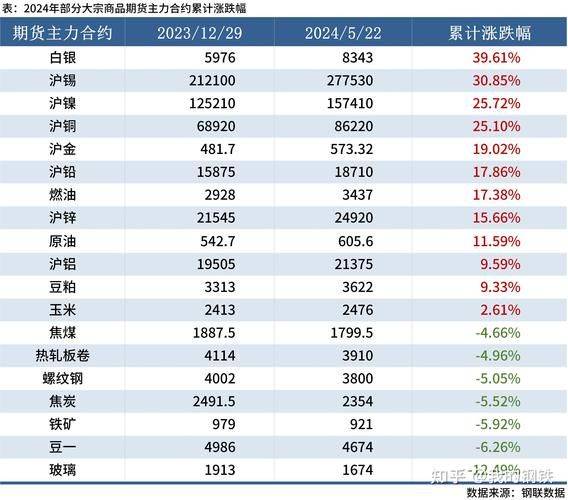
For non-ferrous metals, supply and demand gaps for copper, aluminium and tin varieties continue to widen, with basic surfaces supporting high-priced operations. The slow resumption of production in wa state, myanmar, and the policy disruption of indonesia's exports, as well as the low level of global tin reserves, highlight chronic scarcity. Subsequent changes in supply and demand structures need to be tracked on an ongoing basis。
Iii. Semiconductor materials: multiple varieties at record high prices
Semiconductor materials are one of the areas in which the price increase for this round is remarkable:
Iv. New and electronic materials: investigation from the high-level to the whole
V. Other raw materials: full diversification
Core drivers
The core driving force of the current boom can be attributed to the triple resonance of supply-side shocks, demand-side structural expansion and systemic cost transfer。
Supply end: geo-conflicts have hit global supply chains. Blockage of passage in the strait of hormuz has cut off the global supply of approximately 56 per cent of the global seaborne thorium yellow supply in the middle east and has led to a significant increase in ship-fire and freight costs, as well as a significant number of diversions. In february 2025, china strengthened its export controls on tungsten, with the price of tungsten powder rising by 239. 71 per cent throughout 2025, and in january 2026, with the further strengthening of export controls on japan, nearly 30 per cent of japan's tungsten hexafluoride production was at risk of supply disruption. Three-well chemistry is out of the trifluorinated nitrogen business, superseding the explosion of the guangdong electrochemical sichuan plant and facing a supply gap of thousands of tons worldwide. On the domestic front, imports of thiophorus decreased slightly by 3. 5 per cent in 2025 and port stocks fell from a high point of 2. 68 million tons to about 1. 5 million tons。
Demand-side: ai algorithms and digital infrastructure continue to expand, single ai servers need three to five times more high-end copper-covered plates than traditional servers, and ai-ray modules keep increasing demand for high-end semiconductor materials such as phosphoride. China experienced a 92. 1 per cent increase in net investment from january to february, as compared to the same year, and accelerated downfall of electricity investment was the main driver of the rapid dedevelopment of copper stocks after spring. Industries such as wet nickel, lithium phosphate and purified phosphate have produced a significant pull on the demand for sulfur yellow. The need for new energy vehicles and battery storage systems remains resilient and defence inputs are expanding simultaneously。
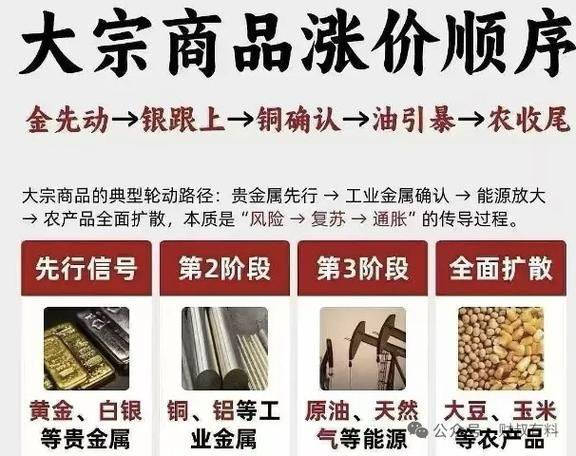
Cost transfer: upstream raw material price increases have been passed down the chain of industries. More than 70 mainstream brands in the tyre industry have issued price letters; over a dozen new energy companies have announced price increases; the price of lithium carbonate has rebounded significantly; the supply of car-grade storage chips has been strained; the whole industry has entered a cost-driven pricing cycle; and white, cooking or pioneered price adjustments。
It is worth noting that downstream demand is generally weak and prices are not smooth down. The profit margins of many middle-middle processing firms have been continuously compressed, and some small and medium-sized producers have been in deficit and price increases have made it difficult to fully cover cost increases. There is insufficient acceptance of high-priced sources in the end markets, new orders are dominated by rigid demand and high-priced sources are stored under pressure。
Overall, the price increases for large commodities in this round have been significantly affected by the disruption of supply by geo-conflicts, the concentration of chemical products, the sharp increase in upstream raw materials, the historically high price of a variety of semiconductor materials, and the spread of the price increases from the high end to the whole class. While the gmpi is expected to peak in the second quarter and the basics of the capable varieties are still strong, some essential metals are expected to face adjustment pressures as a result of the global slowdown in economic growth. The current round of price increases is structural, and deep-seated changes in logistics, trade and the monetary system mean that the medium- and long-term upward risk of price hubs cannot be ignored。
The content of this paper is market observation records, for reference purposes only, and does not constitute an investment recommendation. Stock markets are risky and need to be cautious。