


In the north, there is nothing more disturbing than a year's work: a year's work with wind breeds, where prices fall to the ground in the coming year; and a year's interest in choosing small varieties, which are unsettled by the market. Year after year, there is no “two-guaranteed” crop。
The so-called dual guarantee is policy-based, subsidized and supportive, maintaining the income base, and market demand, either for industry, for breeding cores or for daily consumption needs, without loss。
In 2026, if the north wanted to make a steady profit, it would have chosen the four two-guaranteed crops, suitable for the north's soil and water, easy to manage and secure for its revenues, with no fault of closed eyes。
Category i: co-use of corn for food, policy subsidies, market for money money
Corn is the traditional food staple in the north, and the policy of 2026 continued to increase the support provided for both feed and corn, making it the best option to earn a fair wage。
At the policy level, maize producers in the main north-east sector receive subsidies amounting to 100-150 yuan/acre, with a soybean rotation model, with an additional 150-200 yuan/acre rotational farming subsidy, and a subsidy for the acquisition of farm machinery for the purpose of scalable cultivation, with multiple subsidies contributing directly to higher returns。
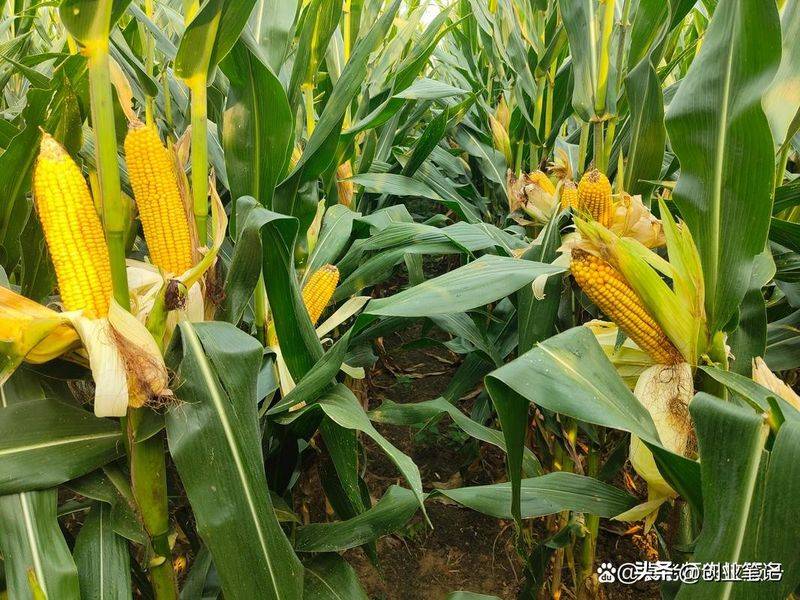
More critically, the combination of corn and food can be used as both a deep-processed raw material for food, as well as as for the production of high-quality green-storage feed, the purchase of feed enterprises and slaughterhouses at a consistently high price, and the persistent lack of market demand, with a complete farewell to the “food-injured farmers”。
The north, as the world's gold corn belt, has abundant temperatures and long periods of light, especially on the north-east black land, the yellow sea plain, where the soil is fertile and suitable for maize growth, with the application of precision and precision control techniques, and where acre production can easily break through a kilo。
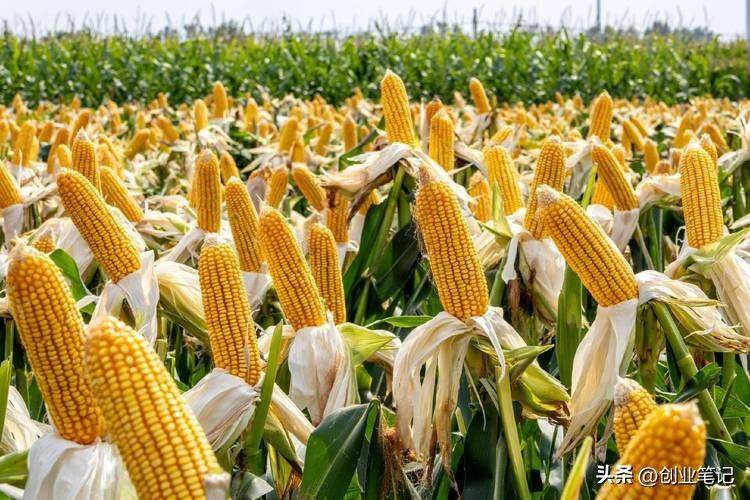
A high yield can be achieved without additional effort in management by choosing the local agricultural sector's validated, resistant and inverted varieties, accompanied by shallow drip irrigation techniques。
The seller can enter into direct orders with farming cooperatives, feed processing plants, and scalable cultivation can compete with deep-scale corn processing enterprises. Cash transactions are not on credit, and the net proceeds of a acre of land are around $300 higher than those of ordinary corn, and can be earned by steady and steady。
Category ii: high-quality groceries and soybeans, making the right land, making more healthy consumption money
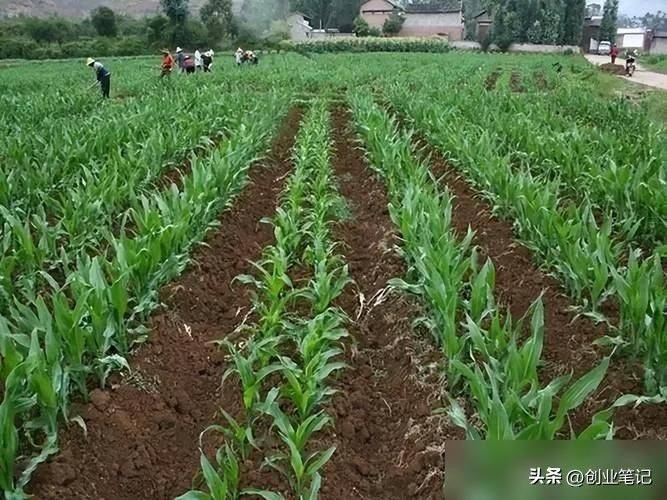
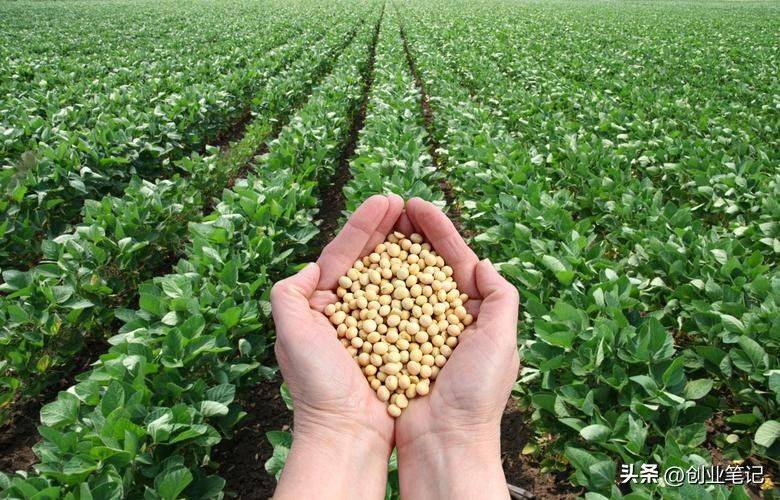
The northern drylands, slopes, which are not suitable for large-water fat staple foods, are precisely the “hot spots” of soybeans, such as wheat, oats, red beans and green beans, which, in 2026, became market-based and sustained support for the development of the food industry。
In policy, all cultivated plots are entitled to a subsidy of 105-150 yuan/acre for the protection of farm land, and family farms and cooperatives that grow on a scale receive a one-off subsidy to grow food without additional planting thresholds, which can be grown by scattered and large households。
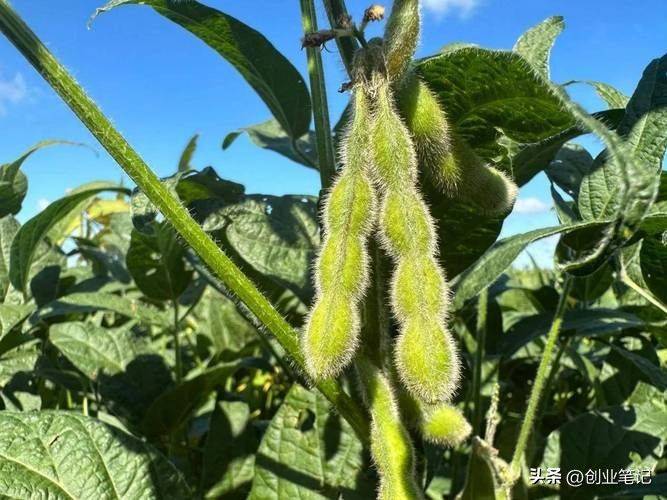
At the market end, barley and oats are the core ingredients for food substitutes and healthy staples, and red beans and green beans are a fresh demand for food processing and tea, not only for domestic merchants and electrical platforms, but also for exports to japan, korea and south-east asia, with steady price increases and little risk of demurrage。
The high temperature of the north, with abundant, good taste and high nutritional content of the groceries grown, is more competitive than in the southern producing regions。
The management of impregnable and reversible soybeans, which need not be finely managed, can be sowed with basic weeding and insect control, and the net proceeds of a acre can be stabilized at $800-1200, more cost-effective than a normal field crop, making full use of idle slopes and increasing land use。
Category iii: co-medicine, making more money from geographical advantages and more stable industries money
The northern part is the core of our “northern medicines”, with the unique soil of the white hills, the liaodong hills and the yellow sea plain, which breeds a combination of northern salsin, orange worms, fragrances and yellow teas. Policy support and market demand have just become two- online, making it the preferred option for the north to grow。
At the policy level, support funds for rural specialty industries focused on the cultivation of tilted medicinal products, and some production areas introduced planting insurance to reduce natural risks
In the market, such medicines are the core material of pharmaceutical enterprises and are processed to produce tea and leisure foods. Demand for dual-use medicines continues to rise, prices are much less volatile than those of vegetable fruits and purchases are stable over the years。
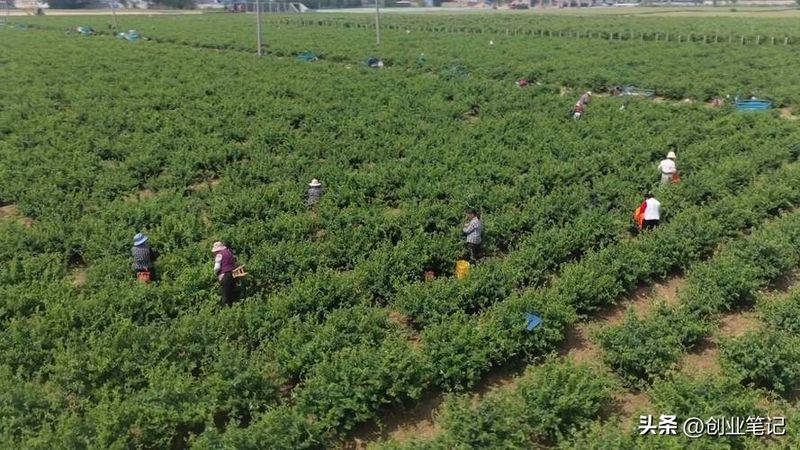
In the north, the active ingredient is much higher than in other regions of production, such as liaoxi, which has 28 per cent of the northern salsin content and liaodong, which has 0. 8 per cent of the five-sortium methanol content, which is the specified raw material for pharmacists and food factories, at a purchase price of 20 to 50 per cent higher than for normal medicines。
On planting, such medicines are cold, drought-resistant and infertile, can be grown on hill slopes and drylands, and are managed in relatively thick quantities, with only basic seedling, transplantation, green pest control techniques, and some varieties, such as orange worms, can be collected for many years in succession and reap benefits from a single planting。
Sales can be made through local pharmacological cooperatives to markets for medicines such as yuju, an, or in direct cooperation with pharmaceutical companies, food processing plants, with an acre yielding three-to-five times as high acre as normal daejeon crops and well-revented projects。
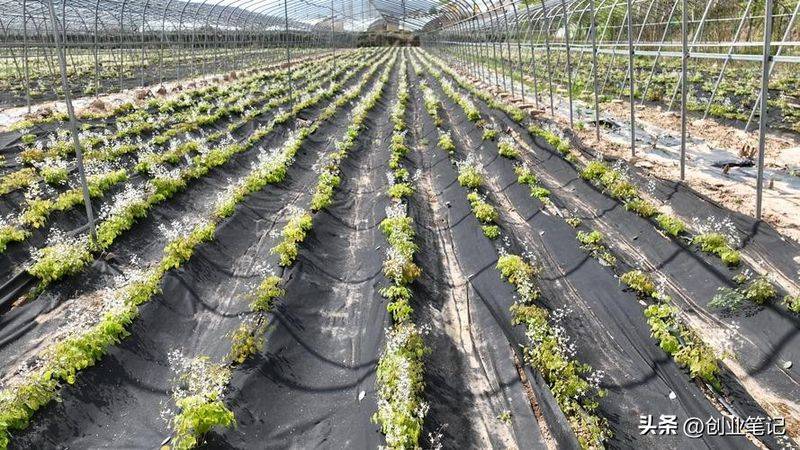
Category iv: facilities that counter-season berries, which generate seasonal differentials and higher-end markets money
In the cold winters of the north, where open-fruit vegetables and vegetables are cut off, the market price for anti-season fresh fruit is several times higher than in the summer. In 2026, subsidies to facilities agriculture continued to increase, with the use of solar greenhouses, smart sheds and the planting of reseasonal berries, such as blueberries, strawberries and cherry tomatoes, making them high-yielding fragrances。
At the policy level, subsidies for the upgrading of facilities, the purchase of farm machinery cover the construction of huts, integrated water fertilizer equipment, temperature control equipment, and special support for special berries in some production areas, significantly reducing the cost of previous inputs。
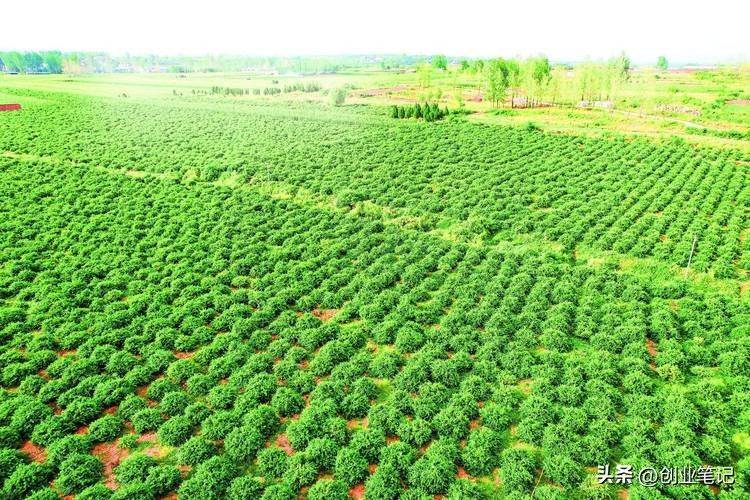
Cultivation of anti-season berries in the north has a natural advantage, with high temperatures during the winter, more abundant accumulation of berries and berries and lumbers, a much higher taste than in the southern regions, and the ability to market blueberries and strawberries around spring seasons through smart temperature control and light technology, which coincides with high consumption seasons, when merchants, fresh platforms, high-end fruit shops compete for each other and prices remain high。
In terms of management, it is sufficient to choose a special type of cold-resistant, light-resistant species, master the technology of temperature and humidity management in large sheds, and accurate delivery of water fertilizers. A well-established network of facilities for berries cultivation and marketing is now in place in the north, in the east, liaoning and inner mongolia, where cold chain logistics are well developed and can reach the southern high market 48 hours after extraction。
A standard solar greenhouse with a counter-seasonal blueberries yielding an annual yield of 50,000 to 8,000 yuan, far more effective than a common facility's vegetable, is a high-yield option for scalding。
In order to make a steady profit, the north has never relied on chance, hot spots, but rather on the choice of suitable crops, the setting of policy winds and the holding of markets。
The above-mentioned four types of crops, either suitable for the soil and water of the north, have multiple subsidies under the policy, or have markets that are still in demand, do not have to worry about market volatility and do well in the field, so that the gains can be maintained and the gains made can be sustained。
Landseeding opportunities in 2026 are hidden in policy and demand. Where are you from? What kind of crop are you going to plant this year? Let's talk about your planting plan, talk about the pits, and make good money
# rural renewal # # rural entrepreneurial life # village growing # # number one creator incentive program #



