As soon as october 1st came, the planting of garlic began in various areas, but many growers often experienced problems during the planting process, the first of which was low levels of garlic, low yields, the second was particularly serious, and the third was just beginning to grow up, and the next year, when they were young, the problems arose. As a matter of fact, the planting of garlic is not random, as long as it is available, seedlings represent only a fraction of the cultivation and do not represent good growth, high productivity and no pests. Therefore, if garlic is to grow well, the following points cannot be ignored。
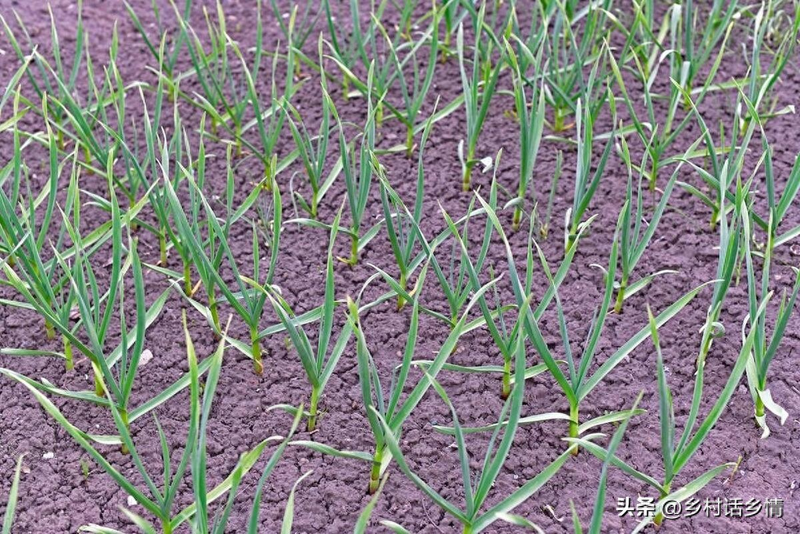
1. Pre-planting, few pests
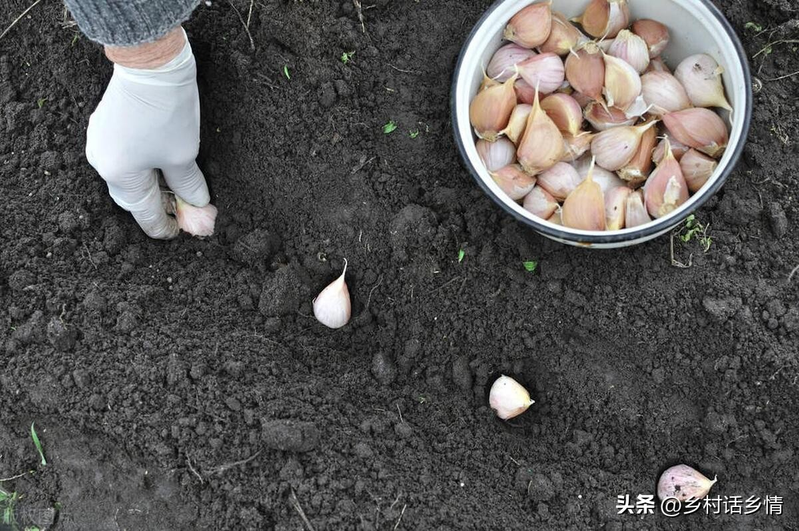
It will take about seven to eight months to grow garlic in the autumn, until the next year of harvest. For such a long time, no one can be assured that there will be no pests or pests, which, if they occur, will be difficult to combat and prevention will be more important than prevention. As a result, weeding before we plant garlic is an important measure of prevention of various pests and pests, and the common blend is belugins. In addition to seed mixing, planting can be sprayed with virulent, polybacterial, etc., which can reduce the occurrence of many pests and pests。
2. Soil fungicide prevention and pest reduction
Many growers grow garlic because of limited soil, which often weighs heavily on onions and onions, as well as onsects and eggs, which in some cases cause particularly serious pests. It is therefore essential to microbicide and insect control of soil during planting, which can reduce the incidence of garlic pests. The prevention of earth-borne diseases can be carried out, sprayed, etc. Through virulent, multibacterium, stupor, hatz molybacterium, etc., and the prevention of garlic mackerel can be used to sow thiophosphorate, aphids, etc. During planting, thus reducing the incidence of underground pests and diseases。
3. Breaking seed hibernation and promoting early growth and early seeding
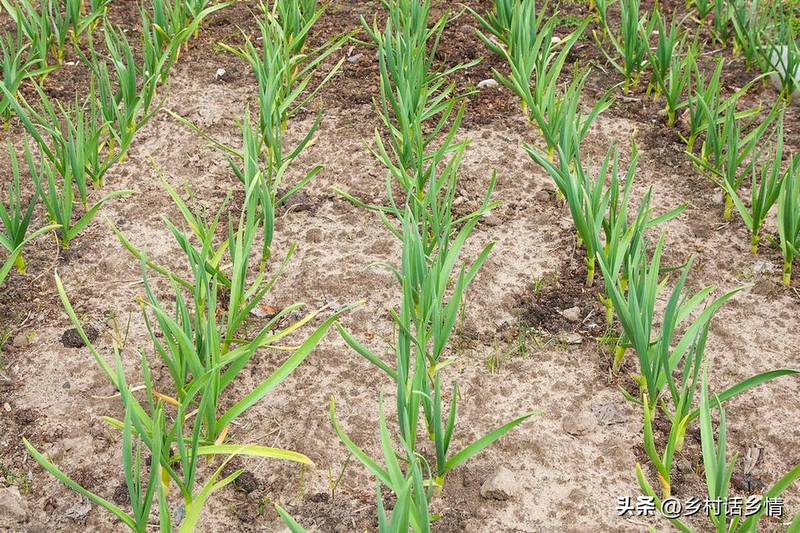
Many friends have said that they have grown garlic for more than 10 days, and that it is believed that many growers have experienced such conditions because of the high temperature at the time of planting and the fact that the garlic is still in hibernation, which naturally does not sow and seed. Therefore, in order to ensure rapid seeding and seedlings after the completion of garlic, it is recommended that 8 to 10 hours of immersion of garlic petals be used before planting, and then sowing, with the aim of breaking up garlic sleep and allowing rapid seeding and seedling。
Four. It's good to plant it in depth
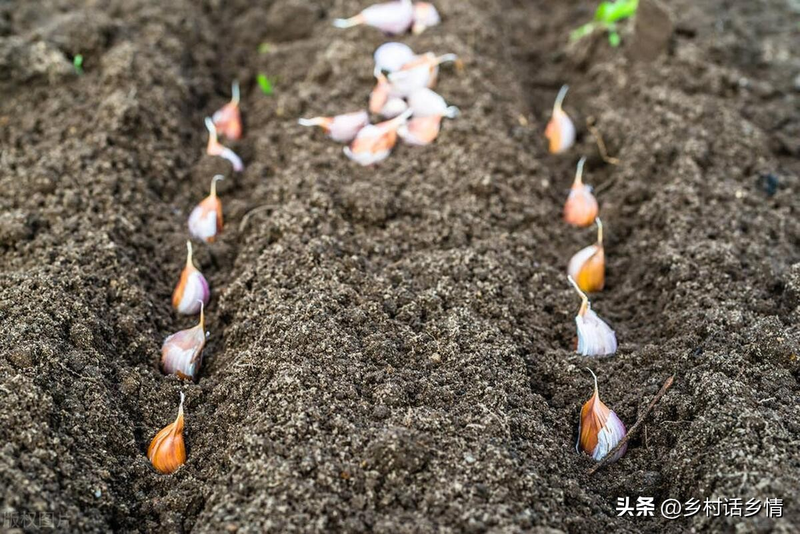
Garlic is a shallow crop and it grows in the soil, and if it is grown too deep, and the garlic is accumulated in the soil, it can lead to long, long-earthed, and old-fashioned claims that it is shallow. As a result, the depth of garlic cultivation should be kept in order, usually at a depth of about 4 to 5 cm, and once the garlic is done, the soil will be covered by 1 cm. Because garlic is at an altitude of about 3-4 centimetres, it is covered with 1 centimetre of soil and the depth of the ditch is just 4-5 centimetres. So don't plant garlic too deep。
5. Rational use of bottom fertilizer to avoid root burning
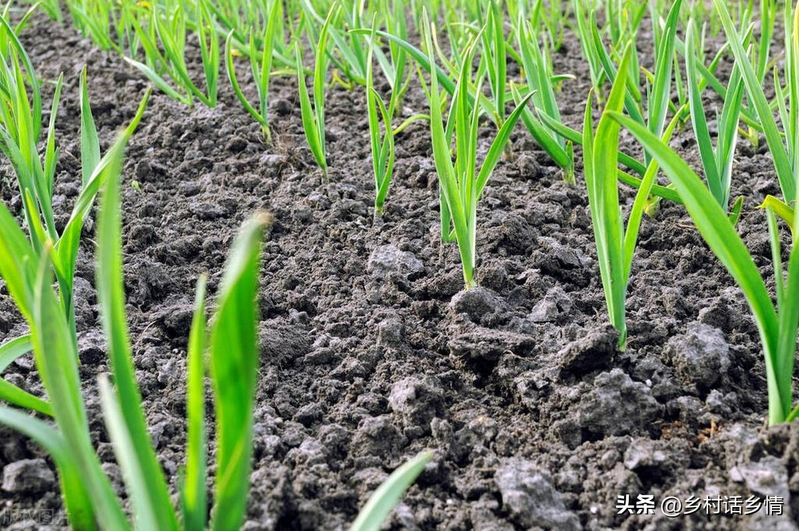
The planting of garlic fertilizer is essential, but the use of bottom fertilizer requires attention and does not concentrate on the application of fertilizers, for example, by placing it in a ditch, like some new growers, and then putting it directly on the fertilizer, so that it is easy to burn roots. Therefore, when using bottom fertilizers, either the fertilizer is mixed into the soil, the fertilizer is dispersed, or the soil is separated from the garlic, avoiding direct exposure to the garlic, and preventing lack of seedlings due to inappropriate application。
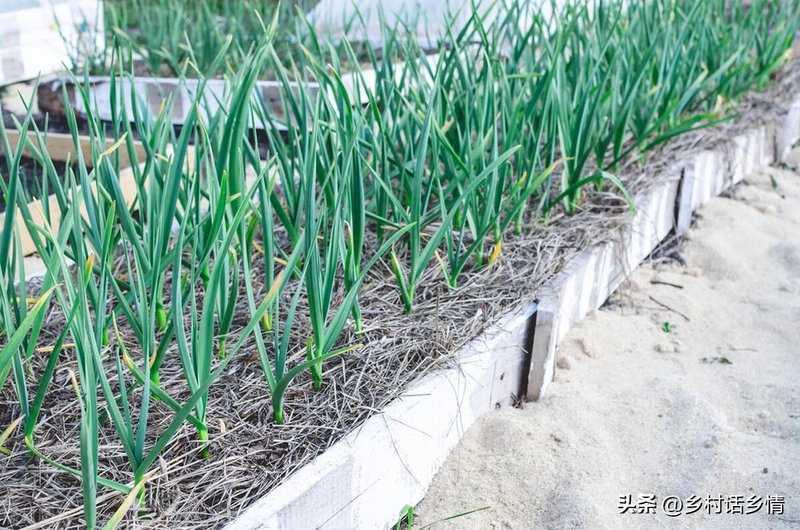
These are the core elements of garlic cultivation, which can be used as a reference, and messages are welcome if there is any uncertainty。