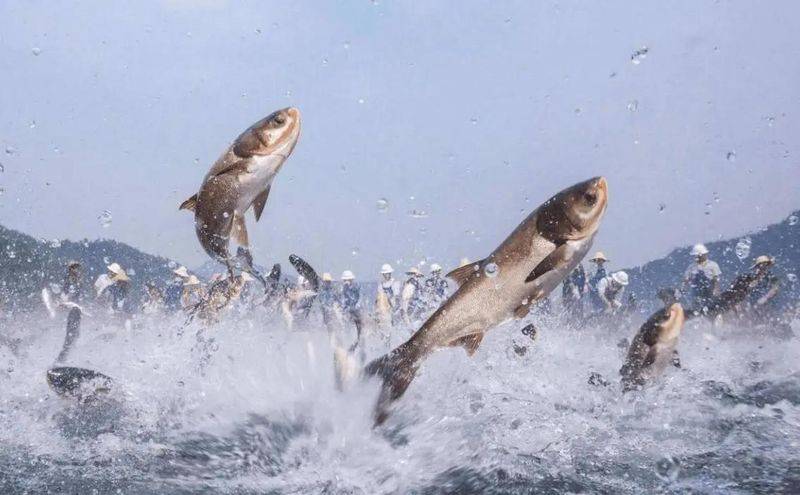
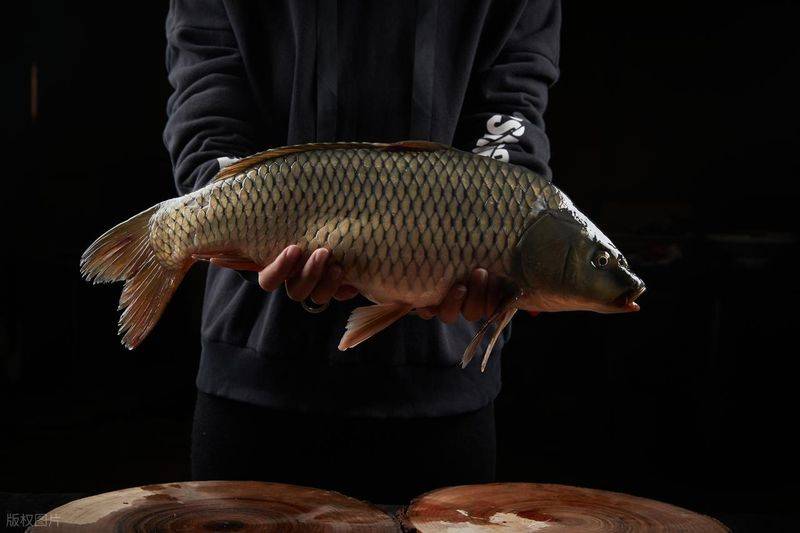
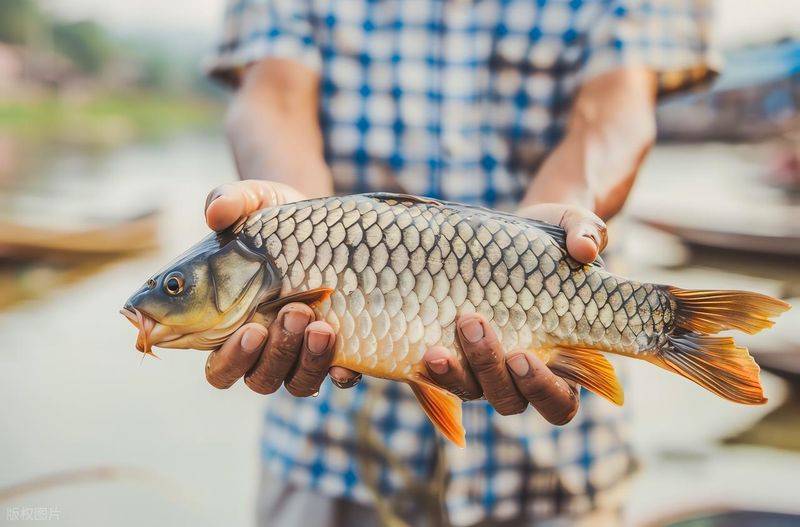
We usually eat fish, we burn carp beautifully, we warm our stomachs, we're regulars on the table. But the name “four all fish” has been examined in history — cyanide, grassfish, mackerel, mackerel, carp and mackerel are on the edge。
Why are these two missing
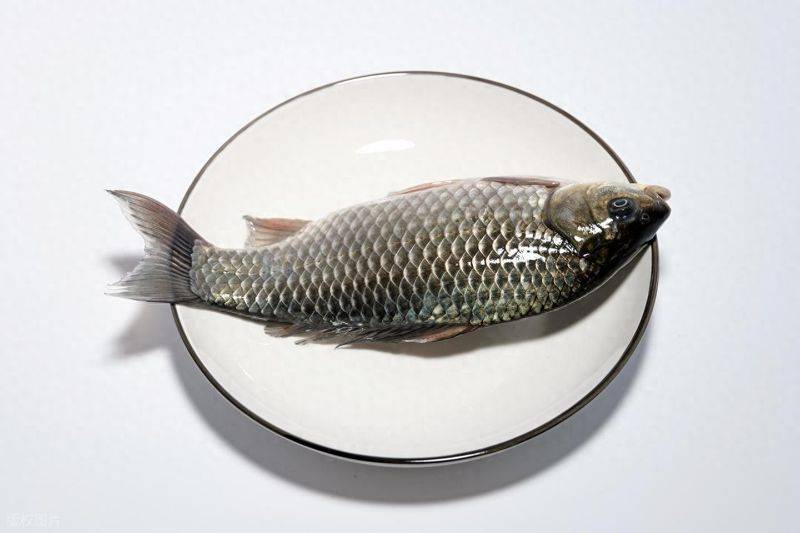
It has to start with tang dynasty, before tang dynasty, carp was the leading star in fresh water farming, and it was raised all over the pond. The name of king lee of the tang dynasty, the "li" and the "crowd" ran into the sound, and the carp became a symbol of the crown。
A decree from the court that the carp must be released, that the carp must be sold on 60 boards and eaten? That's disrespectful! What about the fishermen? In the pond, there is a taboo and a problem with livelihoods. The tang dynasty's "leave the carp, it's ready to go, it's still not allowed to eat。
The fishermen were forced to turn their eyes to other species — bluefish, grassfish, mackerel, mackerel — and then to the historical stage. This “industrial transformation”, triggered by secrecy, unexpectedly created a revolution in china’s fisheries history。
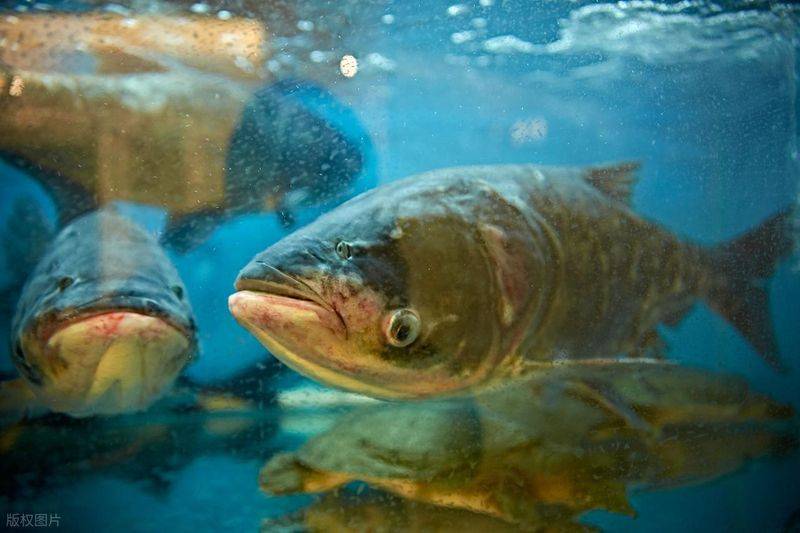
However, these four types of fish cannot afford the pyramid of “domestic fish” if they are not able to do so without the royal ban. They can take root in rivers and lakes, based on proven survival skills and farming advantages. Scientifically speaking, “survival of the fittest”, these four are typical representatives。
Aquatic research at the central college of sciences indicates that they are naturally complementary in terms of food and habitat: strawfish are mid-level “grass mowers”, specializing in weeds; mackerel are upper-level “filters”, which suck up phytoplankton; mackerel are also active in the upper layers, with a preference for zooplankton; and bluefish are bottom “sweepers”, specializing in snails。
The four fish mix a pond, each layer of food required, each layer of space not interfered with each other, water bodies and bait utilization rose slowly and production naturally doubled.** this “stereo-agriculture” wisdom was purified by chinese fishermen more than a thousand years ago。
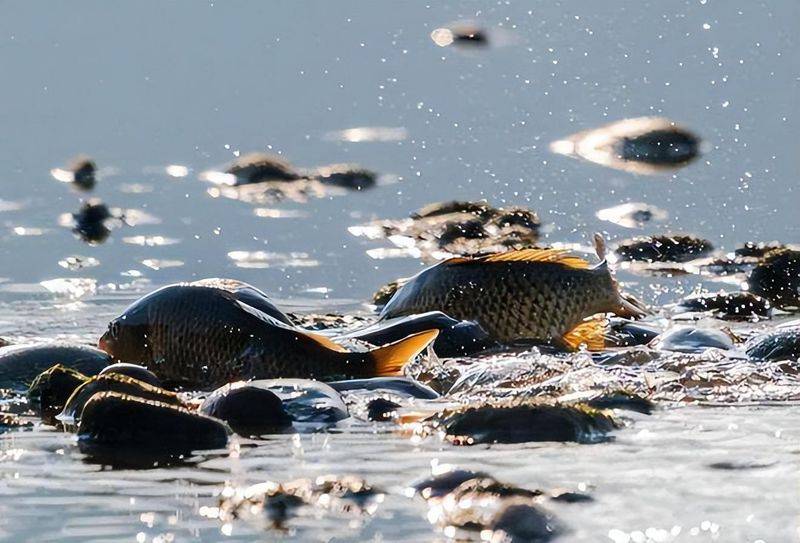
And the carp and the catfish, they don't stand a chance. The carp is big, but it grows to a hundred pounds more than the cyanide, and the grassfish is easy to weigh seven and a half pounds a year, and it's still low. Where's the catfish? It's good to have a year's weight. Who doesn't want to grow up fast and big for farmers with the same feed and the same work
Economic efficiency has always been hard to justify, and more crucial is the special “self-reliance” of gills and carp. You dig a pond, without seeding it, and in two years you'll be inundated: the american carp is now in trouble。
But what about the grass? They are well known as “smuggles”, and they are simply unable to breed in a static pond under the natural environment, and all fish seedlings are planted manually. It is clear in the heart of the fish that these four are “home-grown children” and that they are no longer human。
Farmers have their own financial stakes, and blue fish, though expensive as “the heads of the four fish”, are meaty and large in size, are expensive to raise — they specialize in “shells” such as snails, hips, etc., and they are expensive to feed, have a long farming cycle and cannot afford。
The herbs become the main force, so that they can grow and come to the table for six months, producing the highest number of fresh water fish. It is also “the king of sex prices” who eats plankton, which is natural, and whose price is pro-people。
Carp are common, but not sold at a price, yielding no more than grassfish, no more than blue fish, and naturally do not rank in the “efficient” farming industry。
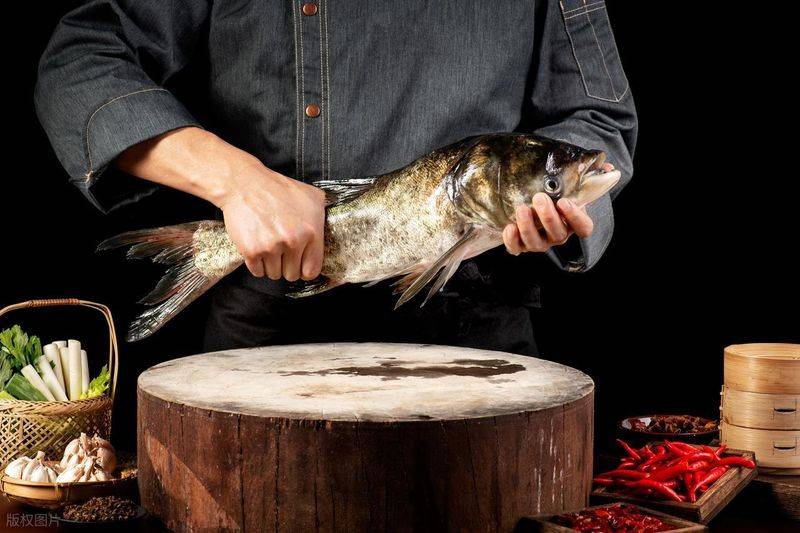
Modern science provides stronger evidence of the ancestral choice. The team ho souping of the aquatic institute at the central college of sciences found, through genome sequences, that the four fish, while eating differently, shared a common ancestry。
They have evolved into unique genetic changes — the cyanide has evolved into powerful interskeletal bones and thick throats, especially to crush snails; herbs have special strength in cellulose digestive enzymes, which efficiently decompose water grasses; and platinum has optimized rake structures, which collect plankton organisms as efficiently as a fine filter。
These adaptive evolutions have allowed them to occupy different ecological positions, each in the same pond and share resources. This ecological polarization is not an accident, but a result of centuries of artificial selection and natural evolution。
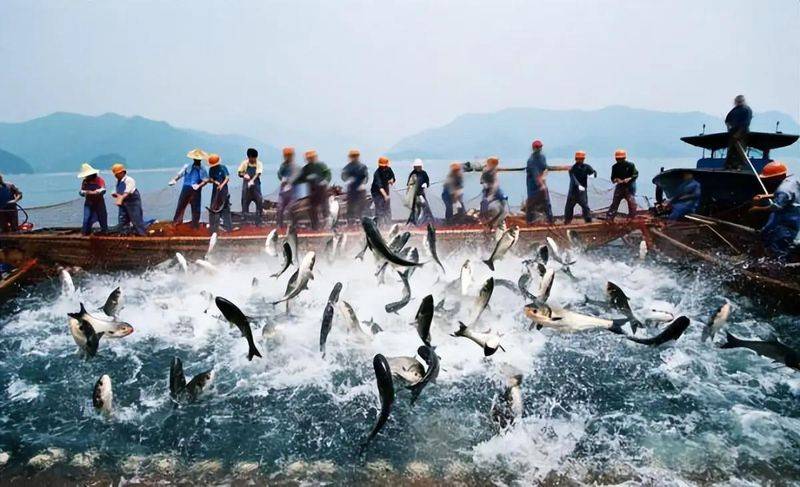
Interestingly, the legends of the four fish are still being repeated. Not only do they dominate nearly half of china's freshwater fish production, they have also become an important player in the global farming industry。
Although the cold chain is now well developed, seafood and offshore produce enrich the choices of the population, and even the “new four fish” is proposed, the status of the grasshopper remains solid。
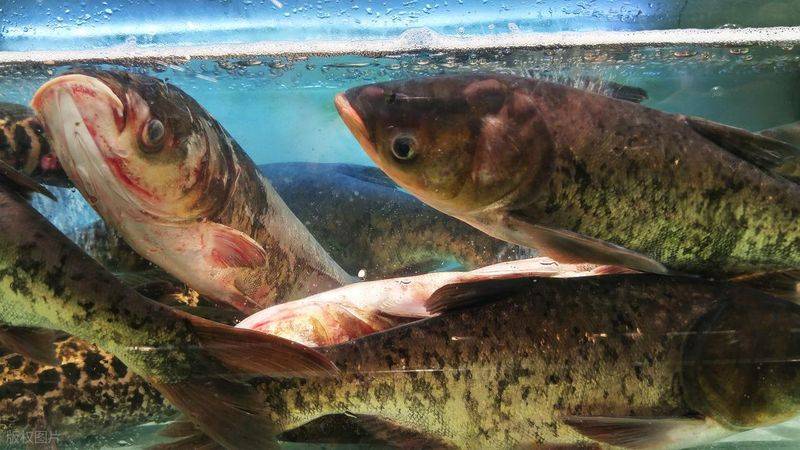
Strawfish is still the king of production, and the head of the mackerel has achieved the national course of "precious fish head chops", which continue to contract people's tables at pro-people prices, while the bluefish are valued as precious by fishers in natural waters。
Where's the carp and the catfish? While they are not among the “all”, they have found their place in their regular dishes and in their annual drawings (“over the years”), which together with the “four fish” form the background of china's freshwater fisheries。
History coincides with the inevitability of evolution, and the ban on royal power has led to the emergence of an eco-efficient farming model. The backlash of grasshoppers not only confirms the natural law of “survival of the fittest”, but also flaunts the wisdom of chinese fishermen under the pressure of survival。