Where does the oxygen come from when submarines are held underwater for months? It is true that conventional submarines do hoard oxygen in a similar way, but nuclear submarines can “change” oxygen at any time, and there is, of course, a special oxygen-making method that can save lives in emergency situations
Let's start with our theme today: how do submarines work
Conventional submarines
In fact, how long a submarine can survive underwater depends essentially on where it can get oxygen. And the answer to conventional fuel-fired submarines is simple and rough, with their own oxygen cylinders。
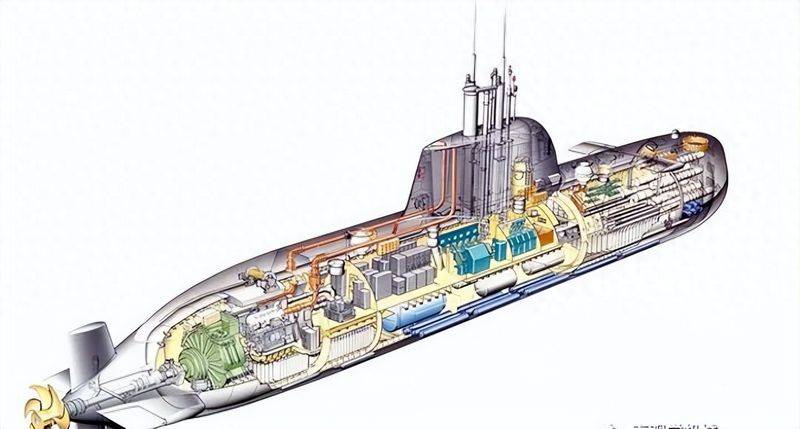
It's just that the oxygen cylinders in the submarines are bigger and more stressful than in the hospital. But that is the problem, when even larger cylinders run out of oxygen, on the basis of 600 litres per person per day, at least 60,000 litres of oxygen per day would be consumed per boat for 100 people。
So conventional submarines are essentially a dive version of “charging treasures”, which have to float regularly and lift through the pipe to start charging diesel. However, such charisma operations amount to suicide in wartime and are the target of anti-submarine and sound radars as soon as they emerge. Thus, the voyage time of conventional submarines is stuck to their necks by oxygen stocks, usually for a few days。
Nuclear submarines
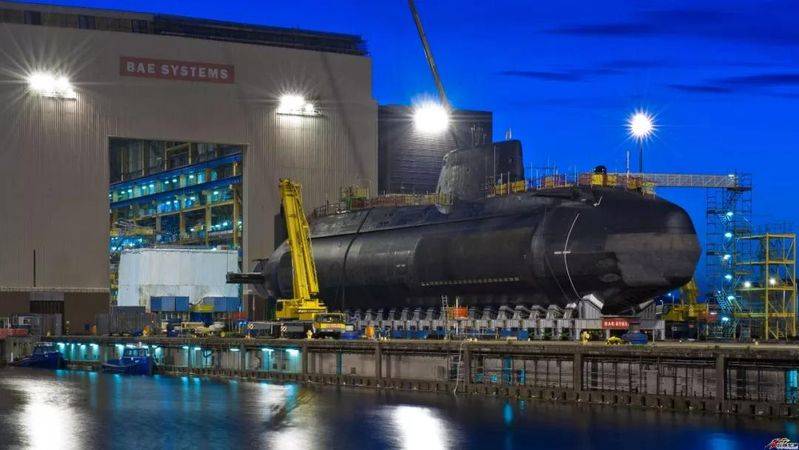
Nuclear submarines, however, have almost unlimited power supply because of nuclear reactors, so that oxygen is also “opened” in a direct manner and produced by electrolytic water. That is, direct electrolysis of water molecules into hydrogen gas and oxygen。
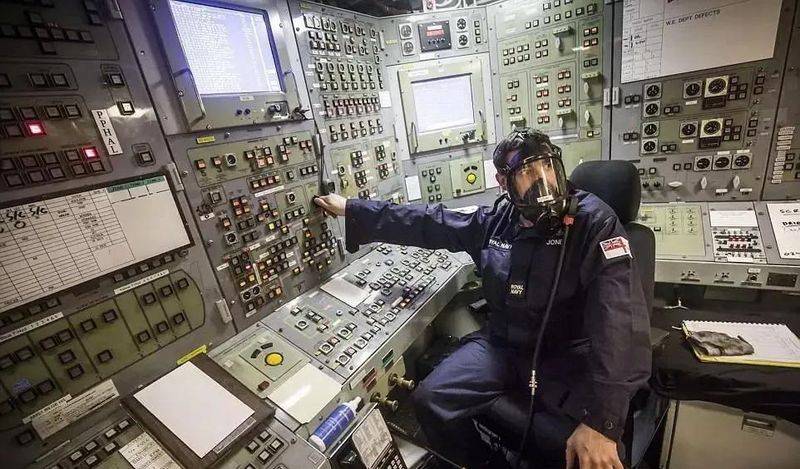
The principle is actually learned by everyone in junior high chemistry, but nuclear submarines play an industrial level. Since it is electrolytic, not pure water, but seawater, which is poorly conductive and directly electrolytic, the engineer's solution is to add potassium hydroxide to the seawater。
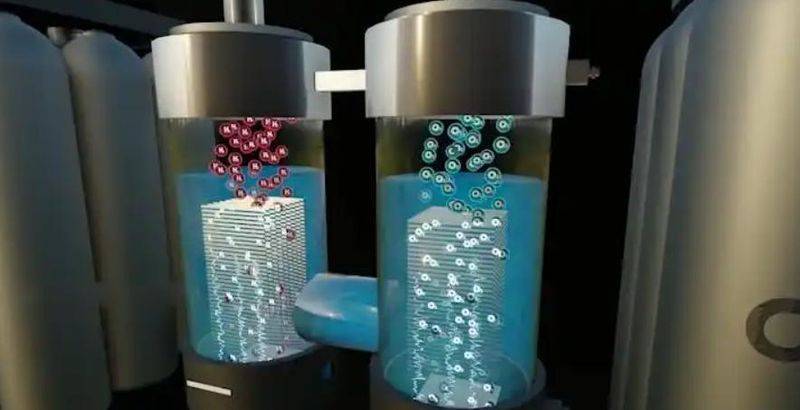
The addition of these things is a direct rise in the electrical conductivity of the sea water, which is followed by a significant increase in electrolysis efficiency. The specific method is to generate oxygen from the anode of the electrolytic tank and hydrogen from the cathodes, but care must be taken that the explosion is triggered by a mixture of hydrogen oxygen using a diaphragm that can only be used in the middle。
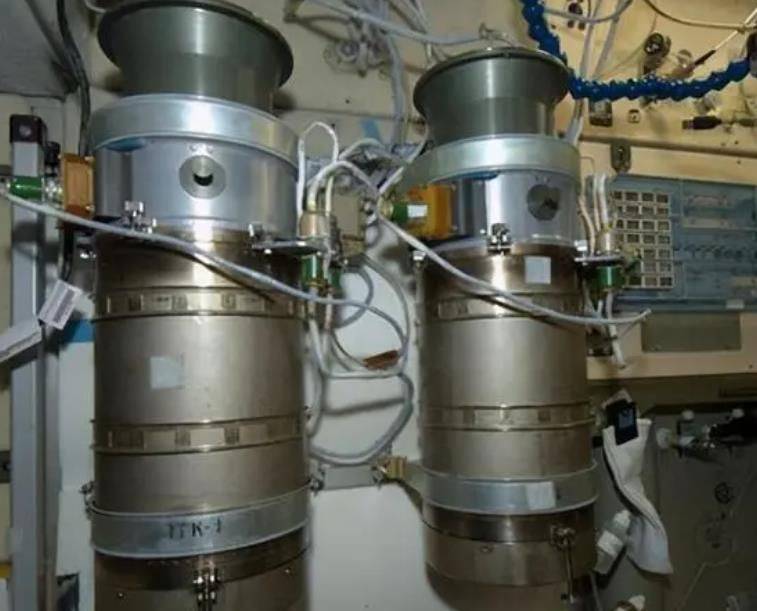
The produced oxygen is either stored in a gas tank or transported through a pipeline to each chamber. However, hydrogen, a “by-product”, is handled carefully and produces 2 cubic metres of hydrogen per cubic metre of oxygen produced。
It is also flammable and explosive, is a time-limited bomb in a closed submarine, but cannot be released directly from the boat because it creates bubbles on the surface of the sea and produces noise and tails that can easily be captured by enemy voices。

Nuclear submarines therefore have classified-grade hydrogen treatment systems, usually combined with hydrogen and a small amount of oxygen in small combustion units, or combined with catalysts。
Critical life
But electrolysis is good, but it is highly dependent on electricity. That is why conventional submarines do not install electrolyte oxygen equipment, and electrolytic water is also an “electric tiger”, which requires about 15 degrees of electricity to produce a kilo of oxygen。
Of course, nuclear submarine reactors can provide dozens of megawatts of electricity, which consumes only a dime. However, in the event of a nuclear reactor failure or a loss of war power, the supply of oxygen is disrupted immediately。
By that time, the sub's ultimate emergency equipment would be ready. This thing looks like a cement column, with sodium chloride mixed iron powder at its core. When used, the iron powder is oxidized and the sodium chlorate is decomposition at high temperatures, resulting in sodium chloride and oxygen。
A standard oxygen candle weighs up to 3 kg and can release approximately 3,300 litres of oxygen, enough to breathe for 100 people for an hour. A nuclear submarine, on the other hand, usually has over 200 reserves, which can support basic oxygen requirements in emergency situations。
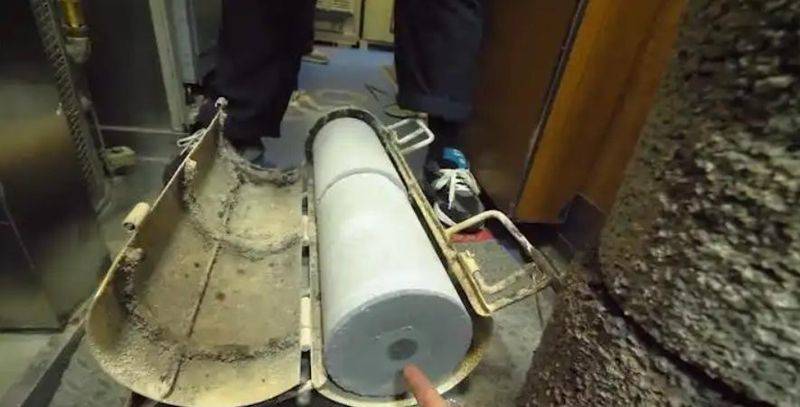
Since the oxygen candle is a real “stupid” life-saving device, oxygen can be produced without the need for electricity or complex operations. So apart from submarines, it is also used for mine rescue。
Waste gas cleaning
However, oxygen sources have been addressed, and the more deadly problem is that if carbon dioxide is not eliminated, it accumulates in the chamber, and if concentrations exceed 1 per cent, it will pass out, and more than 3 per cent may be fatal and reach 10 per cent will be directly asphyxiated。
The average submarine process co2 is largely “chemically absorbed” and reacts with alkaline lime, i. E. A mixture of sodium hydroxide and calcium hydroxide, resulting in carbonate and water。

However, in addition to co2, there are alien or harmful gases from human metabolism and equipment volatilization in submarines, which are to be dealt with by active carbon adsorbents, otherwise hundreds of people are suffocated in iron tanks for months, and that taste is all that matters。