Document description: high-yielding maize cultivation technology in montblanc county
Daisaku state summary describes the technology of high-yielding maize cultivation in montsung county, including the selection of good seeds, scientific seeding, management of fatty water, field management, pest and grass control, and harvesting, with a view to guiding the promotion of high-yield maize cultivation in monsung county。
Keywords: summer corn; high-yielding cultivation; anhumong city
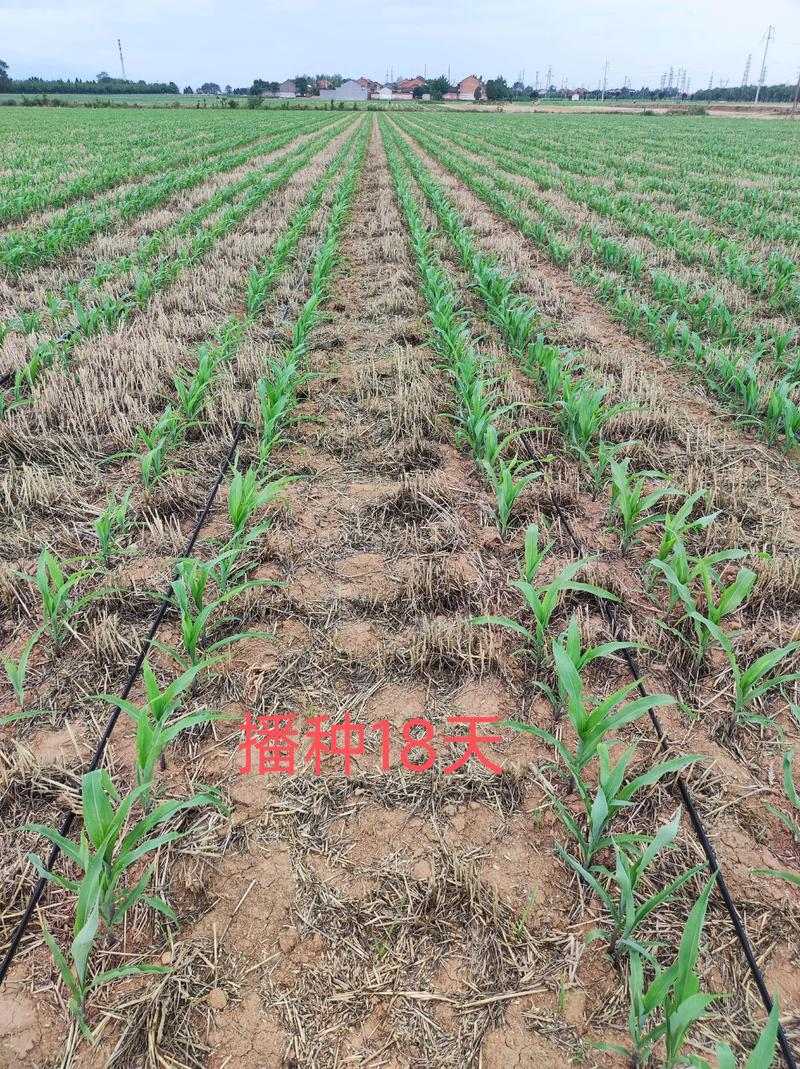
When fat, one-time bottom application can be applied during sowing. The base fat applied during seeding should be fattening and separate, not too close to the seeds to prevent the burning of seedlings. Early measures should be taken to manage the seedlings in single strains, promote weakness, and apply eccentricly fertilized nitrogen-composed hydrogen ammonium carbonate 75 - 150 kg/hm2, with the cave being applied near the plant, after which the pine soil is seized. The ceremonial period requires well-developed roots and a consistent growth of corn throughout the field. The fertilisation principle is that small and weak seedlings are applied more and less, and urea 75-120 kg/hm2 is commonly applied. This period is a critical fertilizer for achieving the size, size and weight of summer corn, with heavy effort in terms of volume. Fields of the general fertility level are measured at 50 per cent of the total nitrogen application based on the application of urea for the previous period, i. E. 225 ~300 kg/hm2. In order to reduce the loss of nitrogen volatilization and increase fertilizer utilization, fertilizer needs to be duly applied to soil in accordance with soil conditions, as it is applied at high summer temperatures. If the soil is dry, it needs water to catch up with fat, and then the soil becomes heavy, and if the rain continues, it can be spread after the rain. During the maize slurry period, the spray can be sprayed once between 7 and 10 d or in combination with pest control。
Reasonable drainage and drainage
The period of maize seedlings is marked by drought resistance and flooding, which, as long as they are not severe, do not normally require water, but should be discharged in a timely manner. Heavy and heavy rainfall of maize seedlings should be followed by timely drainage to prevent heat rain from harming the leaves and roots and causing death. In particular, low-lying areas and poorly-quality plots should be drained in a timely manner, with timely tillage and ventilation to prevent budding. The largest amount of water is required for corn, %. If drought is water-deficit, it can cause “crazy drought”, which prevents the normal development of females and males, delays in distillation and poor pollination. However, the soil is over-watered, the soil lacks oxygen, the development of females and males is hampered, and the rate of empty resolution increases, or results in a fall. Therefore, irrigation and drainage should be done. The amount of water required for maize during the period between male and waxing is approximately 45 per cent of the total water required, especially during the flowering period, which is sensitive to water reactions. If the weather is dry and the relative humidity is less than 30 per cent, it seriously affects flower fertilization and should be irrigated in a timely manner. In the event of excessive rainfall or water stains in the field, the energy of the roots will be rapidly reduced and the leaves yellower, and care should be taken to drain。
4 strengthening field management
Shrimp management
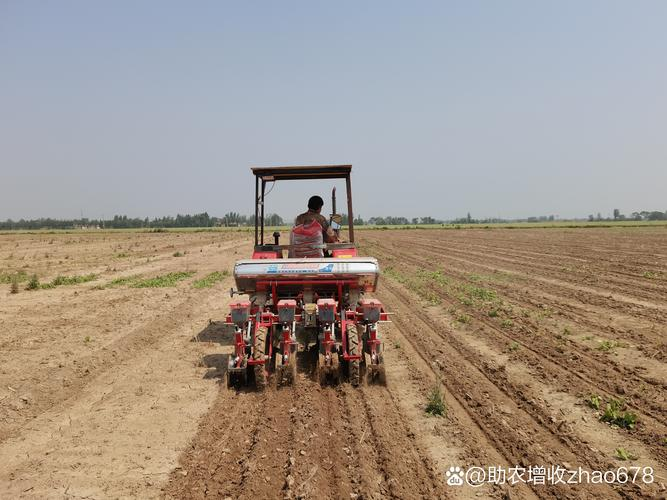
The main objective of seed management (20-30d, determining the number of ears) is to ensure that the seedlings are full, smug, smug and smug, and that the roots are well developed and grown. To ensure whole seedlings, seedlings should be detected in a timely manner, replanted with pre-cooked seedlings or planted in the afternoon or in the middle of the day at the 4-5 leaf of the seedling. Maize 3-4 and time seedlings, 5-6 seedlings, seedlings, disease seedlings, round seedlings, selected calibrated seedlings to ensure reasonable seed density. ~, ~ the normal line distance requires a 50-70 cm line equal to allow for mechanical harvesting. The range is self-adjusted according to density. The planting period shall be 2-3 times, before the seeding occurs, it shall be shallow and shall be approximately 5 cm deep. Weeds are tilled 1 to 2 times before the festival, and they take root in depths of 10 cm, between rows deep and shallow。
Zoom management
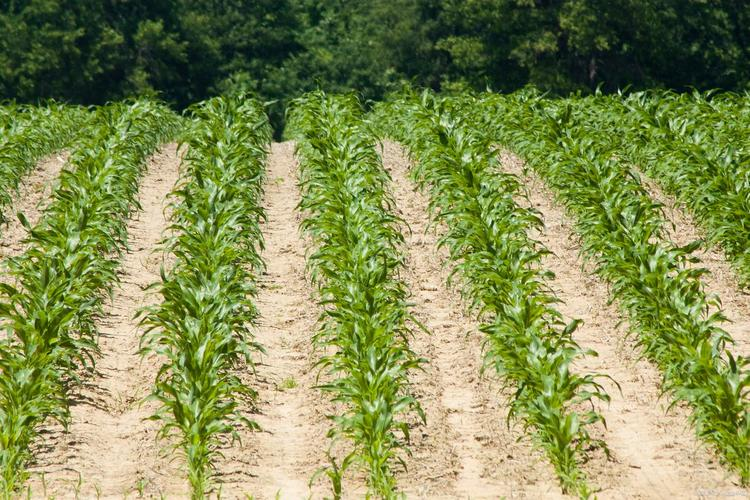
The main objective of oscillation management (25-30d, determining the number of grains) is to make corn growing strong and leaves growing robustly, with nutritional growth in harmony with reproductive growth for the purposes of staves, ears and grains. In general, two medium-planted fields are cultivated in the ear, before and after the euphoria to the small horns, with the application of fertilizers for deep- and small-scale cultivation, where the manure is buried in the soil and the mud between the lines forms the earth's roots; and during the loudspeaker, with the re-fertilization of the bee, one more time. Medium