Kids who like to eat little tomatoes, they're getting warmer and can start working and grow them at home. The little tomatoes and the giant tomatoes that were sprung by the blue demons the other day have already grown. It's a bit long and patient, helping you free tomatoes
I. How do tomatoes choose their varieties
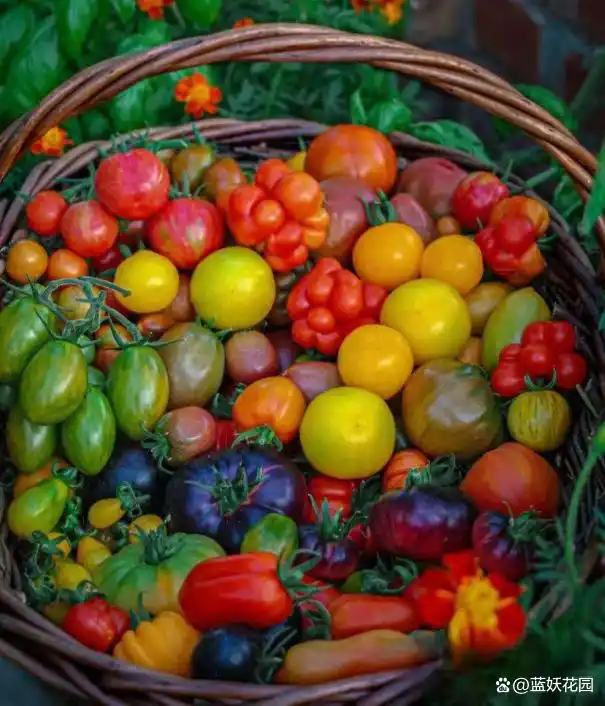
There are many varieties of tomatoes. What would be appropriate? All we need to know here is two points to make this easy。
1. Size of fruit
Tomatoes are divided into large tomatoes and little tomatoes, most of which are for vegetable use, although some varieties are very good for food, and they have a relatively small number of nuts, after all. The small tomatoes, on the other hand, are mostly used for fruit consumption, and there are too many varieties, some of which are particularly high. First, you can see whether you want to grow a large tomato or a little tomato. As for specific varieties, you can refer to the species introduction, or you can choose the fruit pigment that you think is high, good and good。
2. Growth restrictions
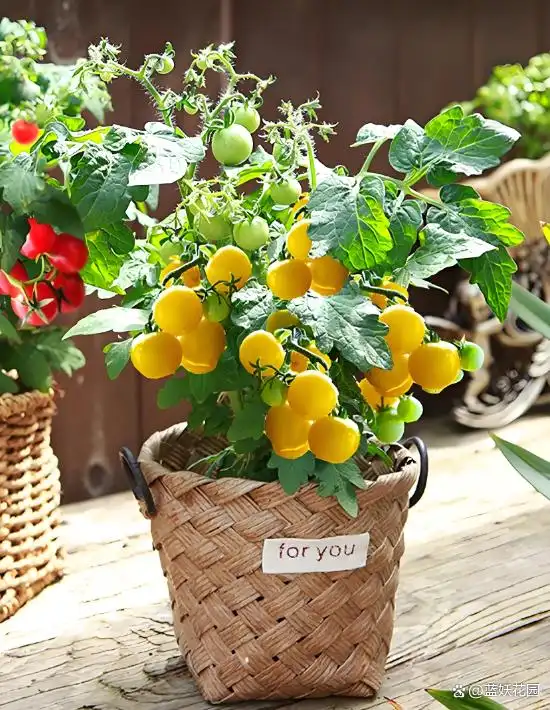
Tomatoes are also divided into two types of limited growth and unlimited growth, with short-growth tomatoes that are no longer growing at a certain altitude and are more suitable for small-space cultivation on the balcony, although the relative limitless growth of the hanging fruit is much less。
Unlimited-growing tomatoes can grow continuously, but, frankly, they can grow as long as they don't die, and the production of unlimited-growing tomatoes is very high, with a long duration and, of course, much larger relative growth space。
You can choose between the two types of plant space you grow, the small space you grow, the small growth type you choose, the larger space you grow, and the more attractive of the infinite growth type。
Ii. Methodology of those drugs
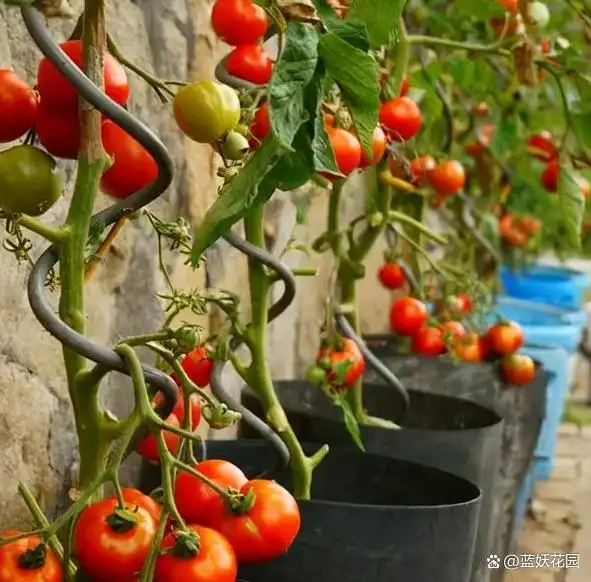
It would be better for everyone to buy their own seeds to sow, which would be more cost-effective than buying seedlings, which, if available, would have few varieties, mostly unversioned, and be carefully chosen. The blue demon recommends that you plant your own seed, that the tomatoes are pure and simple, and that the seeding method is presented below。
The temperature is low in the early spring, and it would take about half a month for tomato seeds to sow, and it would normally be a week after seeding. The specific seeding methods are as follows:
1. Leaching
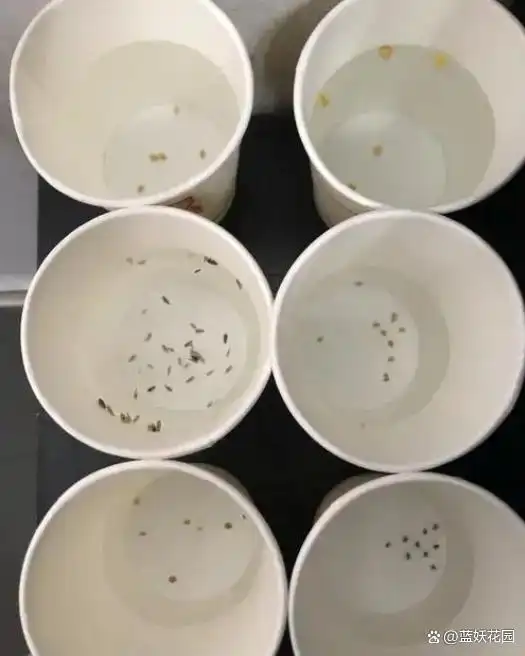
The tomato seeds are placed in a one-time cup, and are immersed in warm water (the temperature in which the hands are not hot) for two hours, before they are taken out and dry the surface。
Prepare a wet tissue or kitchen paper, wash it in the water and squeeze it dry, and hold it tight without dripping. The seeds were then placed on paper towels, folded over the tissues, wrapped the seeds in a plastic bag and put on the mouth, mainly to maintain humidity。
2. Temperature and humidity
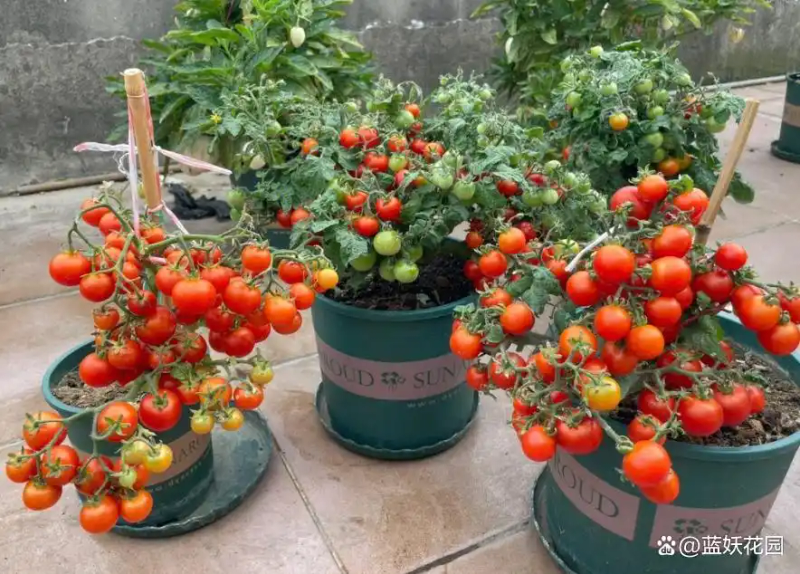
The most important thing about early spring sprouts is the temperature, which is easier when there is a continuous source of heat in the home, such as an incubator for chickens, but most people do not have a source of constant heat in their homes, so you can find a small foam box, find another warm water bag, put warm water in a warm handbag, put a warm water bag in a foam box, put seeds in it, put a lid on it, put a blanket on it outside the foam box and put on a blanket or cotton coat to reduce the heat spread, so that the temperature can be around 25-35 degrees, lasting about 10 hours。
It was also said that it was also possible to try the method of placing seeds in the inside of clothes, carrying them with them, and the seeding was fast。
3. Daily inspection of white and timely seeding
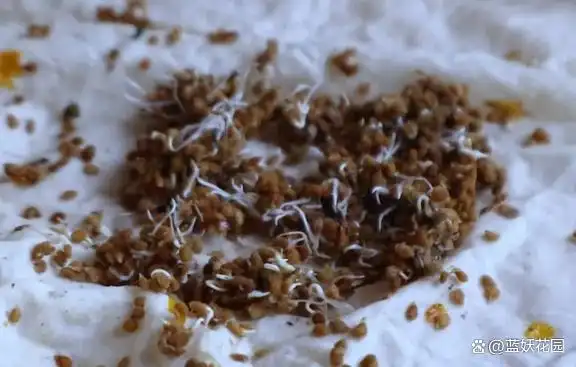
The tomato sprout process opens at least once a day to observe the sprouts, the seeds should be sowed in a timely manner, the seeds continue to be soaked, the white leg will grow long half a day, and the seed will be easier to plant。
So the blue demon advises you to plant the seeds in time to see their whiteness, and if you fail to grow in time, to get them outside the sprouts, but keep them wet. The low-temperature sprouts will be much slower, and they will not have much effect in the morning until the evening。
Iii. Methodology of the power of the risk
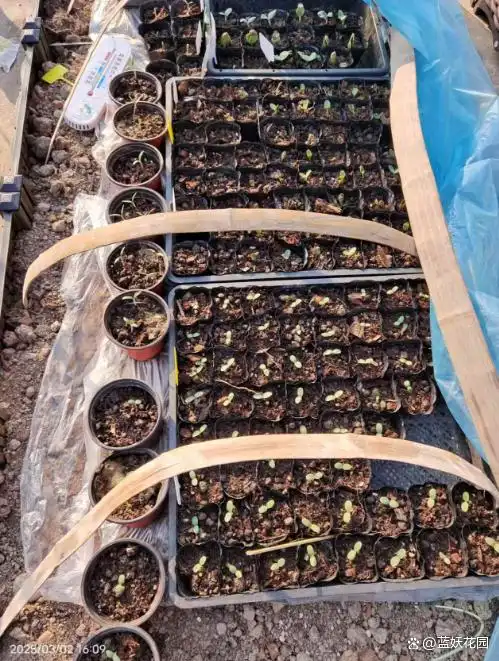
Seed seeds are sowed in a timely manner when they are exposed, with the following main concerns。
One, sow the earth
The planting of seedlings recommends the use of soil for the purpose of breeding, and tomatoes are relatively plentiful, and if there is no special soil for the purpose of breeding, it is also possible to use general nutrient soil for the purpose of defusing the air, but as far as possible not to grow seeding with sticky soil, which is easy to tie。
2. It is not appropriate to oversize a nursery container
It is not appropriate to be too big, with tomatoes recommending 50 dens for seeding, or a one-time cup, 8 cm for nutrients, and a drop of seed, which can be better managed and transplanted。
3. Avoiding sprouting while seeding
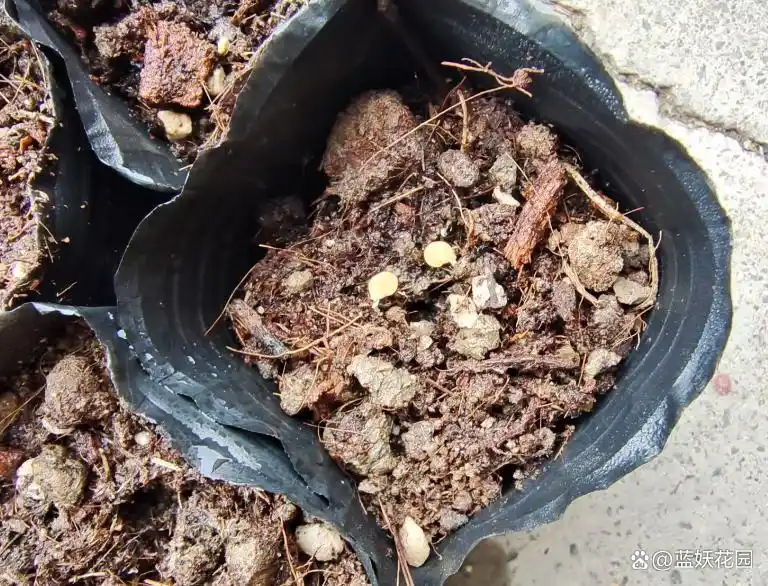
When seeding, the soil is pre-empted into micro-humidity, with hand-held soil capable of forming a mass, without dripping water, and freeing it from natural dispersion. The soil is too damp to destabilise the seeds, and overdry seeds cannot flourish。
First, the soil is about eight cents full in the nursery basin, then the seed is light on the soil, it's light on the soil, it's low on the roots, it's low on the seed, it's low on the seed, it's longer on the seed, and it's useless。
Once all the seeds are put in place, a thin layer of soil, approximately 0. 5 cm thick, will be able to see no tomato seeds。
4. Pre-plant management
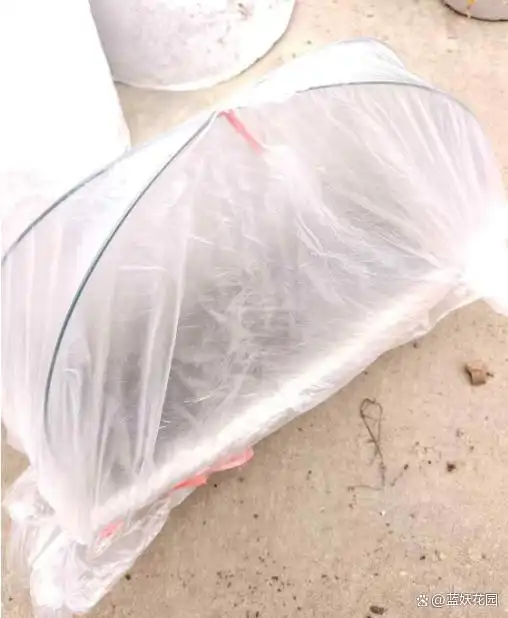
When seeds are planted, they are labeled, a foam or box can be found, a seed basin planted can be placed in a box, and a plastic bag can be placed in a place warm enough to tan the sun, which is more conducive to temperature protection。
After the general planting, the next day or the third day, the seed may break out of the soil, depending on the temperature, and be observed once a day before the gestation occurs。
The surface soil was found dry and sprayed in time to increase humidity。
The seedlings were found to come out of the ground and to be tanned in a timely manner in order to avoid the seedings。
Iv. Management of tomato seedlings
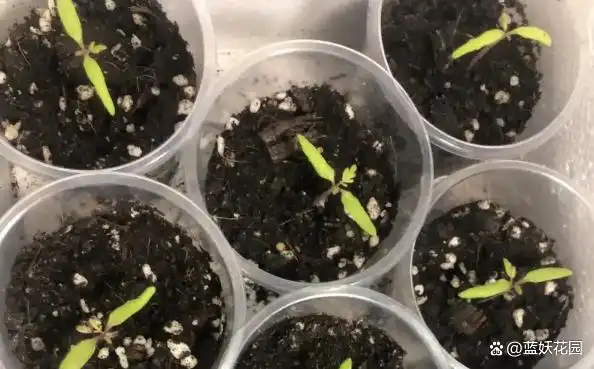
In the early spring, the temperature is low and after the tomatoes are brought out, the membranes are still to be covered, but when there is sun, the membranes are to be ventilated, and the unventilated temperature is too high to kill the seed. When the zhejiang skyrocketed to 30 degrees the other day, at noon, the plastic membranes of the sap were covered by the wind, and when i found them, the tomato seedlings were already on the hot side, and they were discovered in time for the opening of the wind and water, and slowly slowly came to pass, so special attention was given to the plume in the sun。
Another point is that it is best to keep warm at night when the temperature of the early spring is high, the temperature is high and low, when the temperature is low, to cover the outdoors with a membrane or to keep the old clothes warm。
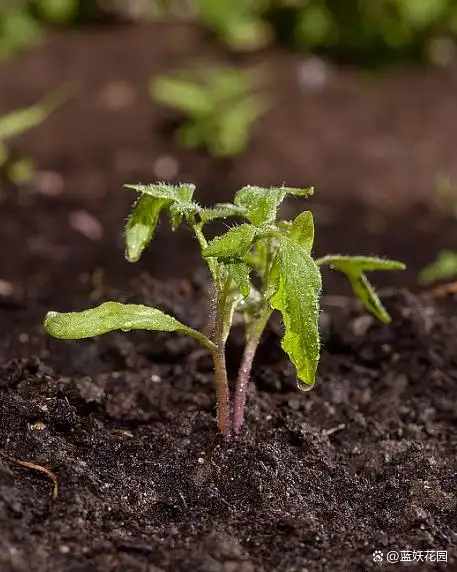
The management of seedlings is relatively simple and focuses on temperature. With regard to water distribution, proper control, small seedlings need to be trained and over-drived, without the growth of the root system, and water can be poured once when the surface soil is dry。
As the seedlings grow slowly, when the leaf grows, it will be possible to pursue thin potassium phosphate fattening in order to promote root growth and strengthen the plant. Because tomatoes are easier to grow, nitrogen fertilizer should be used less in the early stages, mainly to raise the roots and grow the mains。
See tomorrow for an update on tomato planting management and high productivity techniques。