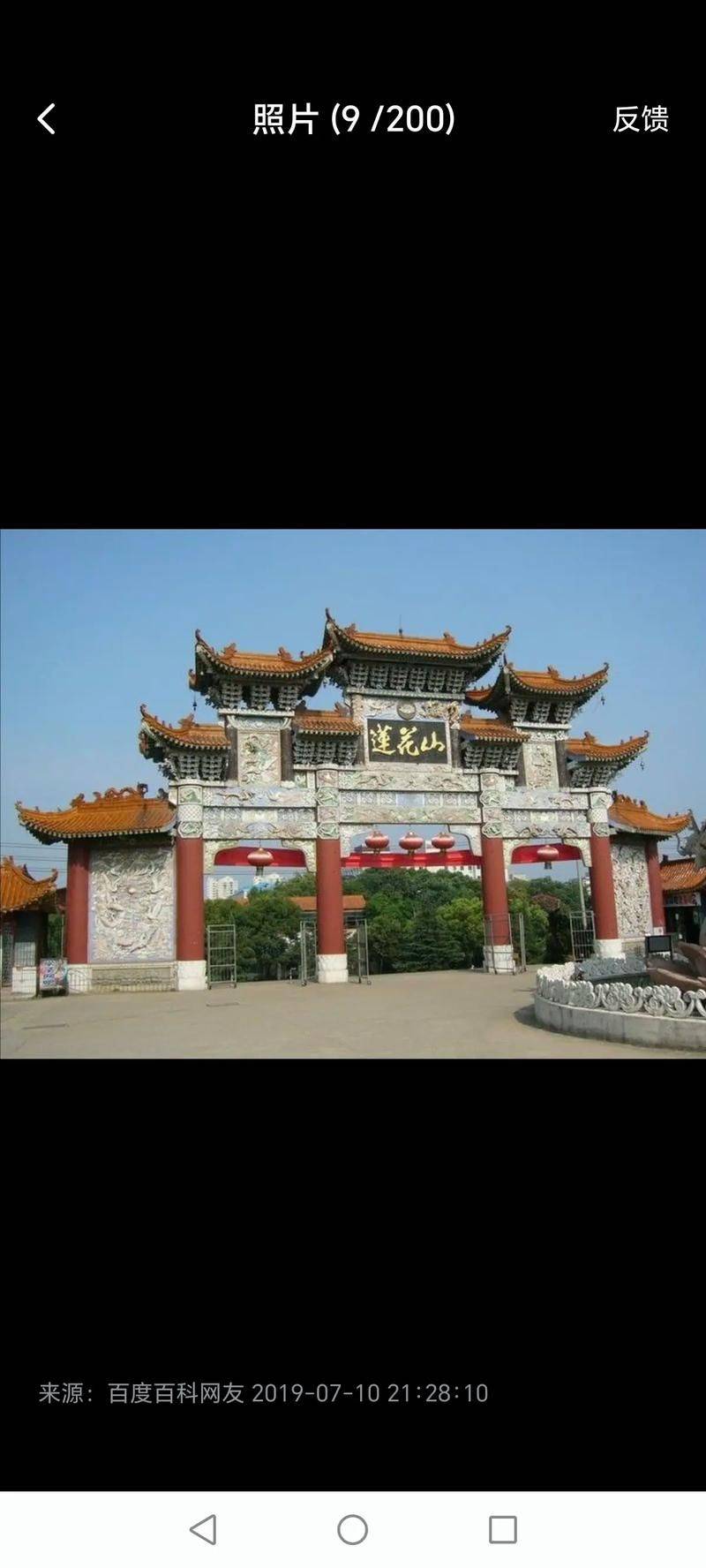
The lotus mountain tourist landscape is located at 123 west gate road, located in nanzhou, guangzhou city, with an excellent geographical location and extremely easy access. It is located close to the guangzhou subway line 4, the beijing guangdong highway, the south sha harbour express and the lotus harbor, and can be reached only a few minutes away. Visitors are entitled to a discount policy of $54 for the total and $27 for the half. Older persons aged 60 years and over and children under 6 years of age may enter the school free of charge, while tourists with student certificates or disability certificates receive a half-priced discount. Transport land railway line: a vehicle using the “city bridge - lotus mountain” is sufficient after taking a subway line 3 to the municipal bridge station or a subway line 4 to the quartz station. (b) public transport route: from the municipal bridge, on bus number 92/93; from the coroner, on bus number 128 to lotus mountain. The lotus landscape, the lotus tourist landscape, is not only attractive to tourists with its unique natural landscape, but is also praised for its rich historical and cultural background. Here, visitors can appreciate the spectacular lotus tower, which was built for 40 years (1612), formerly known as “vanchanta”. It's high in the clouds, eight sides of the tower, nine layers in the appearance and 11 layers in the interior, and the top of the tower is a hole in the watch of the world. Upon the lotus tower, there is no room to see the fullness of the lotus mountain, but also the depth and weight of history. In addition, the site of the ancient quarries is a major highlight of lotus mountain. Here we have witnessed more than 2,200 years of historical change in guangzhou. The stone, which was widely used in places such as building offices, streets, temples, temples and graves, has been dubbed “the source of the camp city”. From west han to the qing, successive generations of southern ancients have worked hard to carve out a few kilometres of rock view of “a man who does not want to win the heavens”. Of these, sites such as swallow rock, lotus rock, lion stone, white walrus rock, pixie rock and fjord cliffs are particularly attractive, and together constitute the historical treasures of the “dry-dry-go-state” and are classified as a priority national heritage protection unit。