Http tutorial

Http (supertext transfer protocol, hypertext transfer protocol) is an application-level agreement for distributed, collaborative, hypermedia information systems。
Http is the basis for data communications on the world wide web (www) and is designed to ensure communication between clients and servers and is one of the most commonly used protocols on the internet。
Http is a tcp/ip communication protocol based on which data are transmitted (HTML files, photo files, query results, etc.)。
Http was originally designed to provide a method for publishing and receiving HTML pages, and resources requested through http or https protocols are identified by the unified resource identificationer (uniform resources indices, url)。
Http request - response
The basic working principle of http is that the client (usually a web browser) sends a request to the server, which receives the request and returns the corresponding resource. These can be web pages, images, audio files, videos, etc。
Http uses the client-server model, where the client sends the request and the server returns the response。
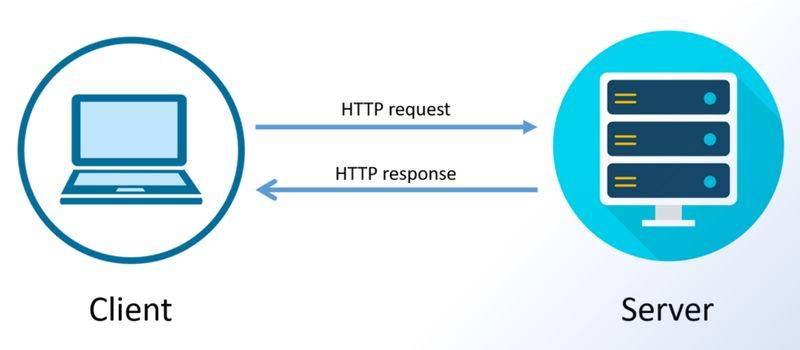
Http requests-response models typically consist of the following steps:
Http method
The http method specifies what actions the client can perform on the resources on the server。
The main http methods are:
Http status code
Http status code is the server's response to client requests。
The status code is divided into five categories:
Http version
Http has several versions and is now widely used in http/1. 1 and http/2, as well as in the phase-out of http/3。
Security
Http is not safe in itself because the data transmitted are unencrypted and may be tapped or tampered with. To address this problem, https (detailed in the next section) was introduced by adding ssl/tls protocols to http, providing encryption and authentication for data transmission。