Global intelligent agriculture has accelerated in recent years. Smart agriculture makes agricultural production easier and more efficient through the development of digital, networked, intelligent agricultural equipment, the application of technologies such as networking, big data, spatial information, artificial intelligence, block chains, etc. Countries such as germany, egypt and australia have continued to advance the transformation of agriculture into digital and intelligent and to promote sustainable agricultural development through measures such as digital agricultural planning, the development of smart farm equipment and the establishment of farm information platforms。
Germany - promotion of pilot experiences and technological achievements in digital agriculture
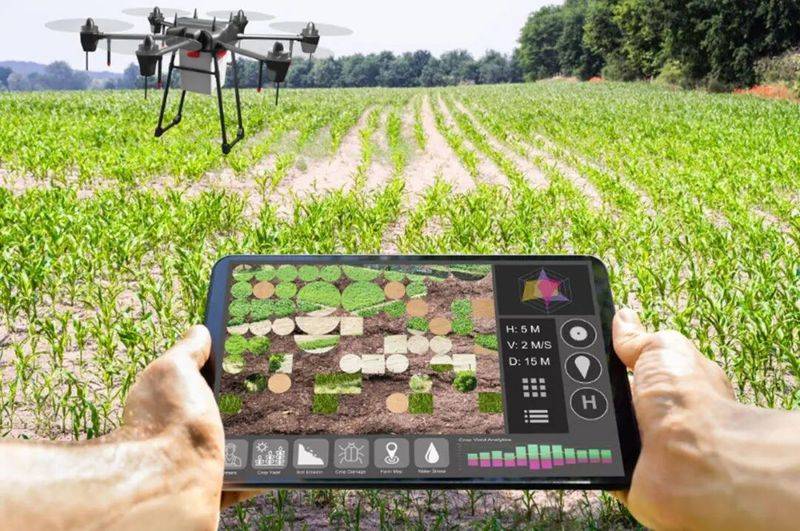
The prosvitz castle bar is located on the banks of the ebe river in germany, an area with a long history of wine production. When journalists walked into the liquor store, staff members, under the guidance of experts from the digital agriculture and network management laboratory of leipzig university, were stationing sensors by the grape shelf. The device not only monitors soil conditions, wind speed, air temperature and humidity in real time, but also measures the light of grapes and surface temperature of leaves. The liquor store is equipped with a drone with built-in multispectral cameras to conduct regular inspections of vineyards to help farmers analyse, predict crop growth in real time, achieve intelligent cultivation and scientific irrigation。
Agricultural land in germany accounts for about half of the country's land area. In recent years, germany has prioritized the development of intelligent agriculture. The german government has developed a special plan for the future of the agricultural digital policy and published the german cropland strategy 2035 in 2021, which includes, inter alia, expanding the coverage of mobile networks, establishing testing points for new technologies, achieving real-time dynamic coverage of positioning systems throughout the country, and making public agricultural data accessible to farmers. In addition, the government of germany has invested 25 million euros in intellectual rural construction, a joint platform for “digital ecosystems” and a knowledge transfer platform aimed at promoting pilot experiences and technological achievements in digital agriculture throughout the country。
The federal ministry of food and agriculture of germany has carried out 14 pilot projects in digital agriculture, which are planned to finance a total of some 70 million euros by 2025 to facilitate the transition from agriculture to digitalization. These 14 pilot projects in digital agriculture comprise 61 subprojects, including 5g applications in agriculture, digital applications in agricultural machinery, reduction of fertilizer and pesticide use through real-time data analysis. The digital agriculture and network management laboratory of leipzig university is one of the 14 pilot projects in digital agriculture。
The development of smart agriculture is dependent on the intellectualization of agricultural machinery. The recent listing of a new combined harvester in germany by the well-known farm machine manufacturer, kesny netherlands, with a power of 775 horsepower and 210 kilograms of food per second, could effectively reduce energy and food consumption while improving operational efficiency. With the support of intelligent agricultural technology such as agricultural sensors and remote sensing satellites, most of germany's large agricultural machinery is controlled by satellite positioning systems, and automated precision operations are carried out under cloud-end instructions, with errors within a few centimetres。
Smart decision-making is also one of the important issues in digital agriculture. Using technologies such as big data and artificial intelligence, a start-up company called “365 farm network” in berlin developed an intelligent decision-making system to provide small farmers with precision agricultural solutions, including planting, raising and operating。
The federal agency for foreign trade and investment of germany, in its 2023/2024 digital german agriculture report, noted that a series of development projects by the federal and länder governments had significantly increased the digital and intellectual level of german agriculture, contributed to addressing food insecurity, reduced resource waste and increased farmers ' incomes, and improved the overall competitiveness of german agriculture。
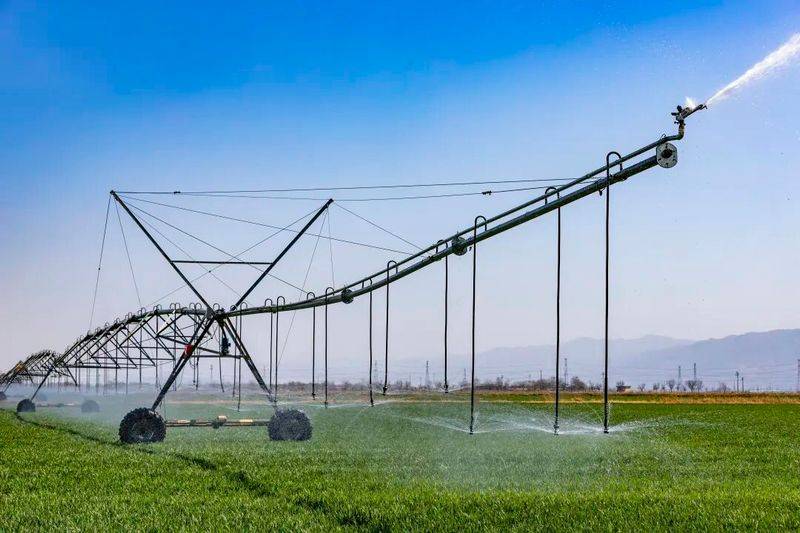
Egypt — water for agriculture reduced by smart irrigation systems volume
Issa, 36 years old, lives in minya, egypt, and owns about 8,000 square metres of farms. In the past, she had to hire at least two workers for irrigation. All she needed to do now was regularly check the tips in her mobile phone application to obtain real-time information on soil moisture and weather and decide when and how long to irrigate. “my farm water supply has been reduced by 20 per cent since the application was used, and the human cost has fallen by almost a third.” she said。
Egypt began in 2020 to promote the use of humidity sensor systems for some farmers. The system requires the installation of sensors in the soil to detect soil moisture and the subsequent transmission of data from satellite signals to mobile applications for farmers to help farmers develop scientifically sound irrigation programmes. The spokesperson for the egyptian ministry of water resources and irrigation, mohamed ghanim, stated that the system was one of egypt's national strategies to modernize irrigation, with the aim of reducing water use in egyptian agriculture, reducing production costs and increasing agricultural productivity。
Agricultural production accounts for 18 per cent of egypt's GDP. Egypt's vision 2030 sets out a focus on developing smart agriculture, promoting the digital transformation of agriculture, promoting technological innovation and research in agriculture。
In the 2023/2024 fiscal year, the government of egypt plans to invest £11. 6 billion in the agricultural sector (approx. £6. 87 yuan), focusing on the development of modern and intelligent irrigation systems, technical training and the promotion of intelligent agricultural equipment. Egypt's agricultural sector has also developed mobile applications to help farmers identify and combat pests and to help farmers develop sound fertilization schemes. His government hoped that the development of intelligent agriculture would be vigorously pursued, with a 5 to 10 per cent increase in crop yields per unit area。
“climate change has exacerbated water shortages and food insecurity, and the egyptian agricultural sector has responded quickly to the challenge of improving agricultural productivity and food security in egypt by introducing digital and artificial intelligence technologies into the field through more scientifically efficient irrigation.” sharif fayyad, an egyptian agricultural expert, said。
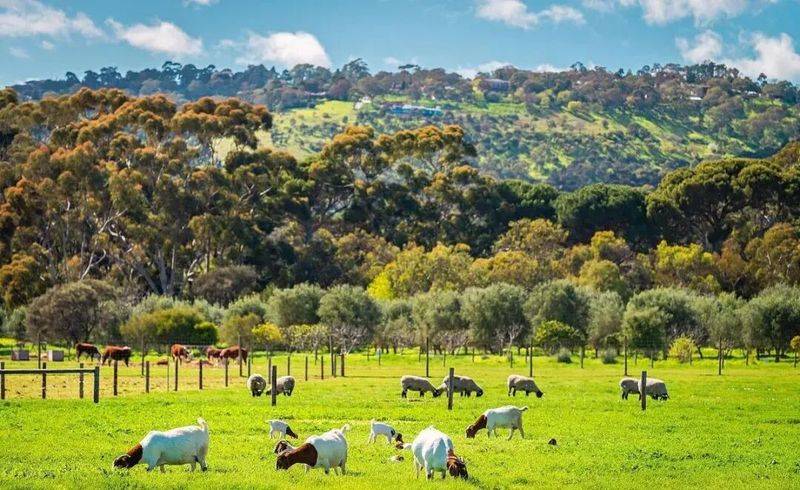
Australia — digital technology for more efficient farm operations
The kobi smart farm, located in new south wales, australia, covers an area of 2,800 hectares, mainly raising cattle, sheep and various grains. Farmers can effectively monitor soil fertility, air temperature, feed distribution, livestock production, livestock health, etc. By installing hundreds of sensory devices. These data are integrated into the smart farm information platform, which produces a live digital map every five minutes. A large number of sensor cameras were also installed on the farm to observe mechanical failures, safety conditions on the farm, etc。
The australian government attaches importance to the development of smart agriculture and to the acceleration of infrastructure for agricultural goods networking. For example, at the humes wisdom garden in victoria, a major wine-producing region, pns can effectively monitor soil moisture, temperature, meteorological factors, the air environment, etc., and provide smart control over grape irrigation, spray, pest control, etc。
Australia also has extensive use of drones and robots in agricultural production. Through global positioning and remote sensing technology, drones conduct efficient agricultural activities such as plant protection, fertilization and surveying, targeting different terrains, soil and plants. For example, queensland is australia's leading potato-producing area, where many large and medium-sized farms have drip irrigation belts and are operating efficiently, such as using drone spraying。
In recent years, australia has also continued to innovate agricultural technologies. The creation of vertical farms that save urban space, intelligent greenhouses that effectively reduce energy consumption in greenhouses, and global digital farms that combine a variety of advanced technologies, such as mass networking, big data analysis and artificial intelligence, contribute to accelerated growth in smart agriculture。
“technology and innovation are the future of agriculture, and the development of intelligent agriculture can change agricultural production patterns and increase agricultural productivity, both important for agriculture and sustainable human development.” the professor of robotics and intelligence systems at sydney university, salah sukari, said:。

(adoption of the farming boss community, welcome to the group)
(second batch of farmers' clubs, please click on pictures)

Click "read the original" for business information, access to agricultural industry observation -- coverage, resource interface, group learning, etc