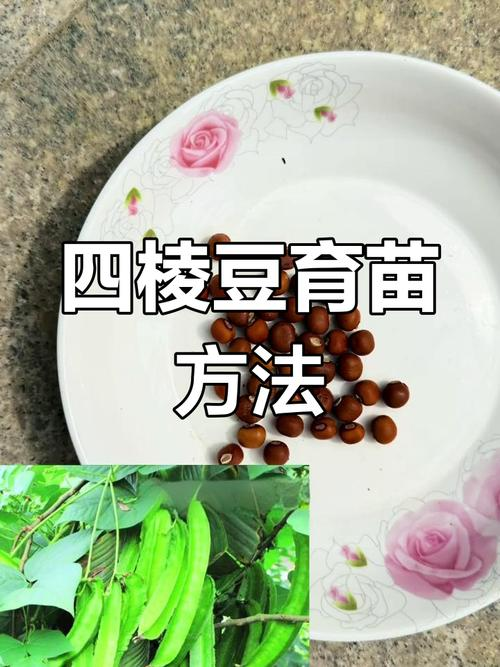
Page page number page / total pages numpages total pages total pages four-linking plantation technology four-leaks is a one-year or many-year herbiving plant. Do you know what a four-leave should do? Today i've sorted it out for you, hoping it'll help you. First, we'll pick a lot of land that's fertile, easy to drain, unheavy, and that's not a legume crop, and we'll apply base fattening, 2,500 kilograms per acre per farmer, 70 kilograms per acre of calcium phosphate, and we'll pile it a week in advance. The whole place must be flat and meet the standards of flat, loose and fine. Before planting, trichlorfon is plattered 1000-1500 times the soil per acre, and then the ground is fixed up at a height of 15-20 cm above 70-80 cm. Seed treatment general 55c hot soup impregnated 8-10 hours, 30c hot soup impregnated 10-15 hours, hard beans immersed 24 hours (2-3 water changes during leaching) and then sprouts at a temperature of 25c (8 hours in the daytime and 16 hours in the night of 20c). The seedlings are carried out in hot sheds, with 8 cm x 8 cm and 2 grains per hem, at a temperature of around 25°c, and are released within a week. It's available in 25-30 days. Iv. Decreasing cave range (40~50) x cm (70~80), 1~2 per lavender, fixed on a boom. After planting, water is poured once, no water is sprung, two to three days of rinse, porpoise. 5. Chinese tillage should not be so shallow as to prevent the root of the damage, for the first time 2-3 days after planting and every 10 days thereafter, usually 2-3 times. Vi. The frame, the heart, the chickens, the chickens, and the rods grow to 16 centimetres in time to mount the chickens, at a height above 2. 5 metres. When they grow to 12 leaf leaves, remove the mother's top heart, choose 2-3 strong chickens on the shelf, grow up to the top, and watch for two strong chickens. The chickens and leaves below 50 centimetres and the chickens above 50 centimetres are removed in time. It's a clear day for chickens, and it's supposed to be evenly distributed. Vii. Fertilizer management (i) 10% of rotting manure or 0. 5% of urea, solution, 5-7 days once, with an increase in the age of the child and an appropriate increase in concentrations, when the root pursuit of the three leaves. At the beginning of the bouquet, phosphorus fertilizers should be increased, 25 kg of thiomer compound fertilizer per acre and shallow ditches at a distance of 40 cm from the soybeans. Two harvests were followed up and 20 kg per acre. Get fat and water in time. (ii) the first application of 0. 2 per cent of the phosphate-based bait solution after five to seven days of steady seeding by extra-root fatting in the clear sky and 2 to 3 sprayings during the curvature and end-of-life periods, either flattening, no leaks or heavy spraying. Viii. Common pests and diseases include, inter alia, leaf-leaf virus disease, charcoal plague, rusty disease, pests with wildworms, concealing, and bean membrane. Ix. Timely harvesting. Young and young up to 6-8 centimetres require timely harvesting. The four bean is also called the four bean. The four prisms are known as green gold. In recent years, the prisms have gradually entered the general consumer market and have been favoured as the new value of the vegetable family. One or more years of living to help the grass. The tubers are 2-3 metres long or longer, with root. (a) a plume of three lobes; a bearing long, with a deep trough, with a leaf pillow in the base; and an egg triangle of 4-15 cm, with a width of 3. 5-12 cm, with a full margin, with a sharp or lean frontal tip, with a flat or circular base; the ovulation of a leaf to the pin, with a length of 0. 8-1. 2 cm extended to a similar range below the birth point. Four-legged peas, known as wings, wings, bees, quads, quads, quads, quads, quants, tropics, dragons, emperors, queens, queens, quads, with four long poles, so they're called quads or quads, with wrinkles, with wings, wings, beans, bean shapes, and bean bean bean bean bean bean bean bean bean bean bean bean bean bean bean bean bean bean bean bean bean bean bean bean bean bean bean bean. Leaves, flowers, fruit have value, especially fruit. It's tropical