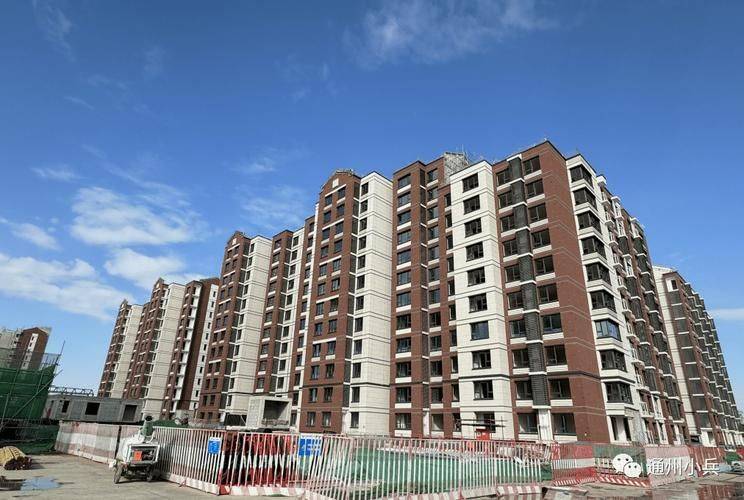
This year is the leading year in the massive push for rental housing construction. The ministry of territorial resources, the ministry of housing, towns and towns has recently sent a joint communication exploring the construction of rental housing on a pilot basis in 13 cities, including beijing, shanghai and nanjing, to increase the supply of new housing rental markets. So what is the type of rental housing built on collective land? What are the specific new policies?
As the market for house prices continues to warm, renting is a better option for new school students or migrant workers. But since rental prices have also risen as a result of changes in housing prices, and in response to recent national policies to regulate the rental market, such as the upcoming pilot of collective land rental housing in 13 cities, what is the case with this collective land?
The construction of collective land rental housing cannot be confused with “small property”
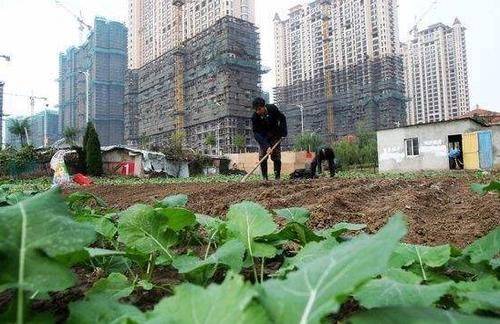
Collectively constructed land means land owned by the rural community and used for various types of non-agricultural construction carried out by community economic organizations or farmers in the townships (towns), including farm residences, rural public utility land and commercial land. According to the ministry of land and resources, the pilot has expanded collective land use and will expand the revenue channels for collective economic organizations and farmers。
At the same time, the ministry of land and resources emphasizes that collective land construction for rental housing and illegal construction of so-called “small property houses” cannot be confused。
The deputy director of the land use management division of the ministry of territorial resources stated:
1. The construction of this pilot rental housing is planned, approved in accordance with the law, and is protected by an immovable property register, which is rented and not sold. In the past, small property units were not protected by law, whether on land, in planning or in construction。
2. The central objective is to effectively increase the supply of housing in cities with housing constraints, especially in mega- and mega-cities, and to effectively alleviate the supply of and demand for housing。
The nature of the land remains the same after the construction of the rental housing, and it remains the collective ownership of the village. It is noteworthy that agricultural land such as cropland is not included in the pilot. The ministry of lands has indicated that, for the construction of rented housing, the collective economic organization of the village or town may develop and operate on its own, as well as build collective rental housing through alliances, shares, etc。
Can the new deal for renting come together?
Just recently, a new policy was launched in shenzhen to encourage rental housing, allowing commercial housing to be converted to rental housing as required. All these new policies are designed to meet the housing needs of different groups of people and to shift our housing market from “sale-light rents” to “rent-purchases”。
One of the new tenancy policies: increasing the supply of rental housing
In november last year, beijing launched a new deal, “limitation, land price” with the first four plot developers holding 100 per cent of their own land, meaning that the houses built here will not be sold for 70 years. In july this year, a similar policy was introduced in shanghai, where six rental housing plots have been launched, using the “rent-only” model。
2. New deal for rents ii: regulating the rent market
In july of this year, 12 cities, including guangzhou, shenzhen, nanjing, hangzhou, xiamen, wuhan, hoi fat and zhengzhou, became the first pilot cities for housing rental. Of which, hangzhou. Municipalities such as zhengzhou and chengdu have taken a normative and innovative approach to rental markets by introducing social capital, integrating all public rental housing, long-term rental apartments and the development of the enterprise's own home, and creating a platform for the leasing of intelligent housing。
3. New policy on rental housing, iii: “equal rights to lease and purchase”
In response to the state's call, guangzhou city earlier introduced the concept of “rent-to-purchase rights”, “giving eligible tenants children the right to public services, such as near-school enrolment”, which raises social concerns. Subsequently, beijing, shenyang, hangzhou, chengdu, zhengzhou and jeunan have introduced “rent-to-purchase rights” programmes, ranging from housing, school enrolment to employment, social security, etc., to give tenants greater access to social benefits and security。
What is the meaning of “collective land for rent”?
What are the implications for the real estate market of the piloting of collective land construction for rental housing?
The top ranking, “the use of collective land for the construction of rental housing”, is a major change in china's land system and implies “a great space for land reform”。
Secondly, it means a massive transfer of land dividends from the government to society, which is highly commendable。
Thirdly, this means that a large amount of low-cost land enters the market, resulting in a large number of low-cost houses, which will have a significant impact on curbing high housing prices and high rents。
Fourthly, rural households in the suburbs of large cities have grown in value, generating a large number of new wealth classes. These farmers will become large-scale renters and long-term land dividends。
This has been explained by the fact that rental housing has become an increasingly important role in housing supply since the beginning of the year, and that the state should take new decisions in response to the changing times. It is believed that the successful pilot of collective land rental housing will bring about new changes for many tenants。
Sublease is the legal relationship between the lessor's renting the rental house to the lessee, who in turn rents the rental house to the sub-tenant。
I. Under which circumstances can subletting take place?
1. The term of the lease under the lease contract shall not exceed twenty years, exceeding twenty years, and exceeding that part of its validity。
2. A lease of more than six months shall be in writing and the parties shall be deemed to have made an indefinite lease if they do not do so。
3. The lessee, with the lessor's consent, may sublet the leased property to a third person whose original lease contract continues to be in effect and whose loss to the leased property is caused by the third person, the lessee shall pay compensation for the loss。
4. If the lessor sells a rented house, the lessee shall be notified within a reasonable period of time prior to the sale that the lessee has the right to give priority to the purchase under the same conditions。
5. Tenancy, lessor and lessee are required to file a lease registration and file the information required:
(1) proof of real estate or other legal title;
(2) a certificate of personal identity of the lessor, lessee or legal person, or of the registration of another organization;
(3) tenancy contract。
Ii. Circumstances restricting sub-tenancy
1. If the lessee defaults on rent;
2. Construction by the lessee without permission in the rented house;
3. Pre-leased commodity houses。
In addition, if the lease contract does not provide for sub-leases and the lessor does not agree to sub-leases, the lessee does not make unauthorized sub-leases。
If the lessee makes an unauthorized sub-lease, the lessor may terminate the lease contract with the lessee。
4. There shall be no problems against the will of the parties, which shall discuss them together。
Subletting requires the lessor's consent
During the lease period, the lessee may not, in principle, sublet. If the lessee wishes to sublet the rented house, it must obtain the lessor's consent and the lessor's consent to sublet, it is called an unlawful sub-lease or an unlawful sub-lease, which is null and void。
Legal basis: article 224 of the law on contracts provides that: “the lessee may sublease the lease to a third person with the consent of the lessor. If the lessee sublet the lease contract between the lessee and the lessor continues in force, the lessee shall pay compensation for the loss caused by a third person to the lease.” “the lessor may terminate the contract without the lessor's consent to the sub-lease.”
Iv. Subletting period shall be within the remaining period of this lease
Article 15 of the interpretation of the higher people's court on the specific application of the law in the case of disputes over the tenancy of town houses also provides that the term of the lease as agreed in the sub-lease contract shall be for the remainder of the lessee's lease period and shall not be valid for the duration of the sub-lease beyond the remaining tenancy period of the lessee. The judicial interpretation provides that, “unless otherwise agreed between the lessor and the lessee”, it means that if the lessor and the lessee agree otherwise, sub-leases are valid beyond the remaining lease period and may be valid as agreed. However, this is in effect equivalent to a new lease period agreed upon in this lease, which is more appropriately understood. Thus, the basic conditions for validity of the sub-lease contract can be established, first, with the lessor's consent and second, with respect to the remaining lease period。
V. How does the sub-tenancy tax be charged?
In accordance with the provisions of the law of the people's republic of china on personal income tax and its implementing regulations, individuals are notified of income tax related to income from sub-leased housing:
1. Income derived from the rental of an individual's sub-lease of a dwelling shall be the income taxable income of the individual, which shall be calculated on the basis of the item "property lease income " 。
2. The rent paid to the lessor by the person receiving the sub-lease income is deducted from the sub-lease income when calculating personal income tax on the basis of the tenancy contract and the legal basis for payment。
3. Approval by the state revenue service of certain operational issues of personal income tax (state tax letter [2002] (no. 146) the order of deduction of taxes and fees before personal income tax is deducted on property rental is adjusted to read as follows:
(1) taxes paid during the lease of property;
(2) rent paid to the lessor;
(3) the cost of repairing the real cost of the rental property to be borne by the taxpayer;
(4) cost deductions under tax law。