The price increases for fuel cruise vehicles with special configurations are not fixed and vary from several thousand to hundreds of thousands, depending on the type of configuration, brand positioning, and vehicle base parameters. Specifically, when special configurations involve basic functional upgrades, such as additional air conditioning, closed doors and comfortable configurations, prices are usually raised by several thousand to tens of thousands of yuan compared to the base; when they involve performance enhancement or customization needs, such as greater ramping power, special patrol functions, high end interior fittings, etc., price increases can range to tens of thousands or more. In addition, the special configuration of imported vehicles, due to brand premiums, tariff costs, etc., tends to lead to higher price increases than that of domestically produced vehicles, and some of the high-end imported vehicles can be upgraded only to bring prices above the $500,000 mark。
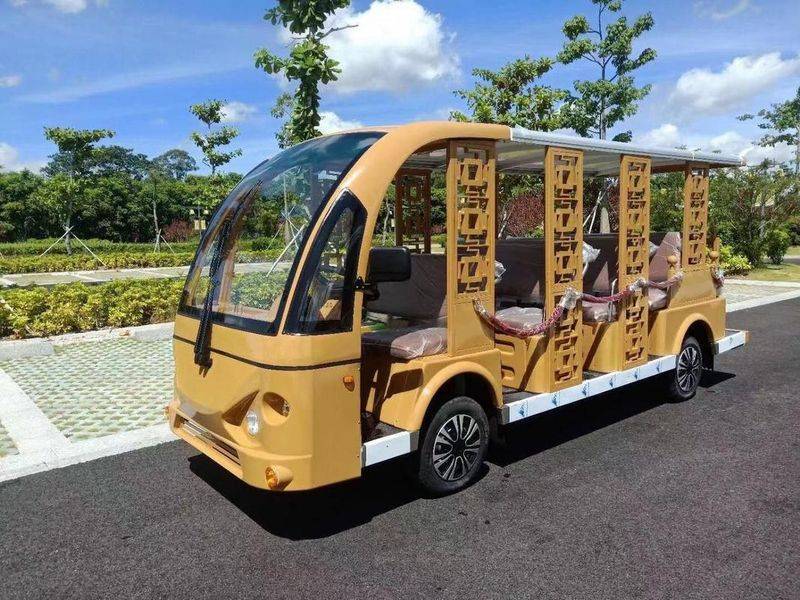
From a brand and base model perspective, pricing strategies for different brands can have a direct impact on special configuration premium space. In the case of domestic producers, sichuan thonghui and sichuan kung fu technology, for example, have similar base model prices, which usually increase by between $10,000 and $20,000 for their comfortable configuration with air conditioning, closed doors, etc., while zhejiang technology supports customisation of special features, such as ramp power systems or warning devices for patrol vehicles, custom car start-up prices of more than $10,000 higher than the base price, and when bulk purchases amount to 10, the single allocation premium is reduced by about 5 per cent with the overall single price discount. The special allocation premium for imported brands is even more significant, with the base model itself pricing more than $300,000 more than domestic production, with price increases ranging from $100,000 to $200,000 if brand-owned high-end interiors or import power systems are added, and import cruises, which partially locate the luxury tourism market, can be customized to allow the total price to exceed millions。
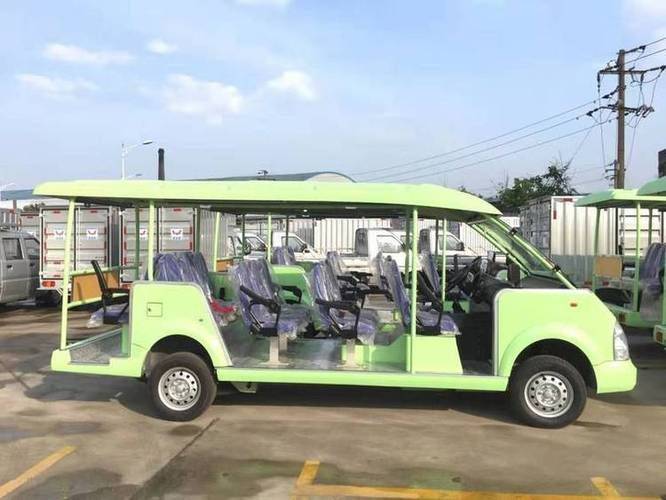
The number of seats and the size of purchases are also key variables affecting the increase in special configuration prices. The unit price of the four base fuel cruise vehicles could increase from $23,000 to $24,000, an increase of about 4 per cent, if added to the special power system, while the cost of the 23 tankers could rise from $60,000 to $80,000, an increase of over 30 per cent, if upgraded to a dedicated patrol configuration. While the absolute value of the allocation premium remains the same at the time of bulk purchase, the relative ratio decreases with the increase in: in the case of sichuan's 23 patrol vehicles, a special allocation premium of $20,000, or 25 per cent of the total price, was issued at the start of the shipment; at the start of the 100, the total unit price was reduced to $10,000, but the cost of the special allocation was still around 10 per cent. The difference stems from the manufacturer's cost-sharing strategy for small batch customizations, which require individual alignment of production lines, while bulk customizations can reduce the cost of spare parts by scaling them。
Power systems and special configuration of core components are important components of price increases. The difference between the domestic four-cylinder engine and the imported power system could amount to tens of thousands of dollars, and once the tourist car had been upgraded to the imported power system, the price would have increased from 50,000 to 80,000 yuan per station; the overall increase could have been over 100,000 yuan if high-end transmission parts had been replaced at the same time. Some of the cruise vehicles for the mountain landscape would need to be fitted with special ramp support systems at a cost of approximately $15,000 to $20,000, which would be directly reflected in the final sale price. In addition, differences in the supply chain of spare parts can indirectly affect prices: special configurations of imported components are used, which are 20 to 30 per cent higher than that of domestically produced components because of logistics and tariff costs。
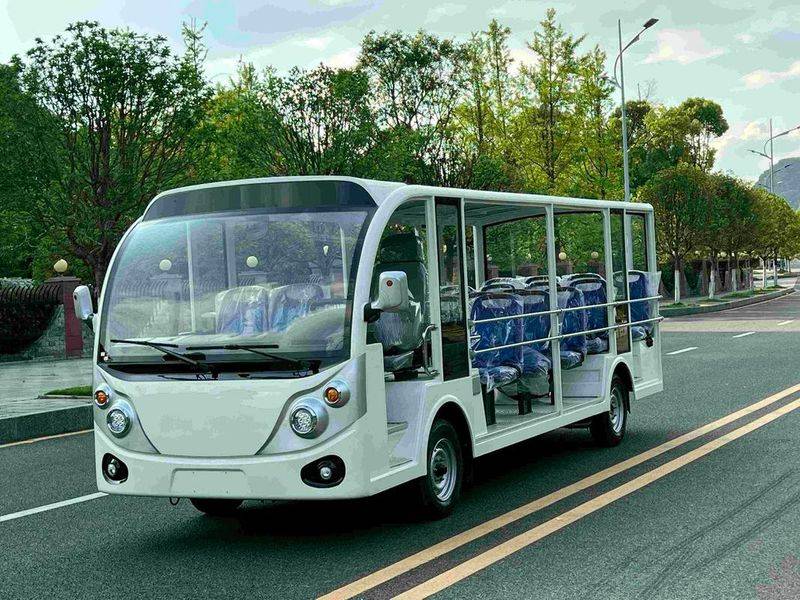
Taken together, price increases for special configurations are the result of a combination of brand positioning, base vehicle-type parameters, configuration type and purchasing scale. The increase in basic comfort configurations is relatively manageable, while the premium space for performance upgrades and customization is greater; the increase in the configuration of a domestically produced car type is more closely related to the cost per se, while the premium is higher for an imported car type owing to brand and supply chain factors. In selecting, consumers need to balance their needs with their budgets in relation to the actual use of the scene and the size of the procurement to find the best-value solutions。