In the field of electronic technology and communications, high and low frequencies directly affect the means of transmission of signals, the application scene and equipment design. Frequency is usually classified as low, medium and high frequency, each of which has different characteristics and uses。
I. Definition and scope of frequency
Frequency refers to the number of repetitions of signal cycles within a unit time, usually in hz. The frequency classification varies slightly from field to field, but can generally be distinguished according to the following range:
Low frequency (lf): about 3 khz to 300 khz
Medium frequency (mf): about 300 khz to 3 mhz
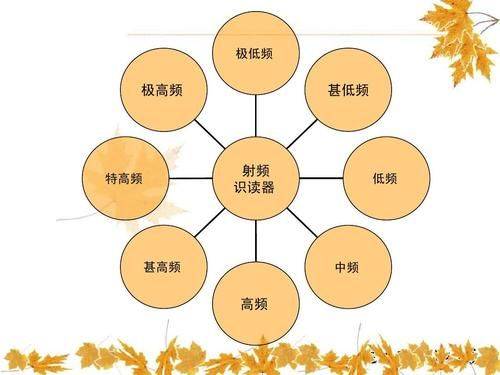
Hf: approximately 3 mhz to 30 mhz
Differences in physical characteristics
Wavelength and transmission characteristics
Low-frequency signals have long wavelengths, usually with greater permeability and distance of transmission, and are suitable for transport through complex media such as underground, seawater and so forth. Hf signal wavelengths are relatively short and are more vulnerable to barriers, but can support higher data transmission rates。
Signal decay
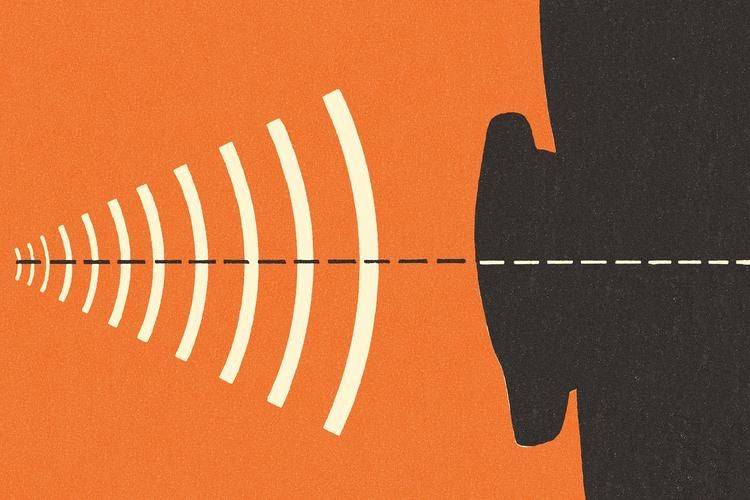
Low-frequency signals are less decaying during transmission, while high-frequency signals are declining faster, especially in non-free space environments, such as between buildings or in the atmosphere。
Interference resistance
Low-frequency signals have a better resistance to interference with the environment's electromagnetic noise, while high-frequency signals are more vulnerable to a variety of noise and multiple effects。
Distinction between typical applications
Low frequency applications
It is mainly used for long-range communications and navigation systems, such as submarine communications, remote radio broadcasting and certain industrial control systems。
Medium frequency application
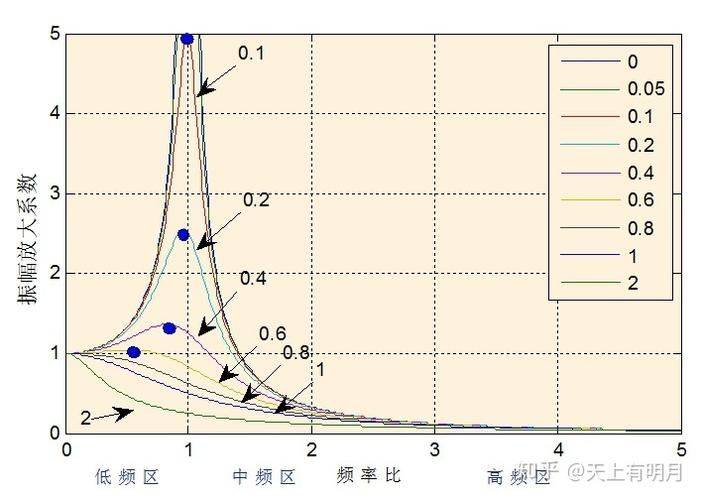
Middle-wave broadcasting in the field of broadcasting is used with medium frequency and is also the intermediate frequency of radio harmonization, which facilitates signal processing and magnification。
Hf applications
Widely applied to such scenarios as short wave broadcasting, amateur radio, radar and satellite communications, are suitable for rapid data transmission and multiple mode of regulation。
Low-frequency, medium-frequency and high-frequency (hf) rates vary significantly in frequency ranges, transmission characteristics, anti-disruption capabilities and applications. Understanding their differences helps to correctly select and design communication systems that meet different environmental and technological needs。