(see also the overview of kidney failure
Many diseases can cause irreversible kidney damage. If the kidney function is not restored after treatment and lasts longer than three months, acute kidney damage becomes chronic kidney disease. Thus, any cause that causes acute kidney damage can cause chronic kidney disease. But in western countries, chronic kidney disease is the most common cause
Both diseases directly damage the kidneys。
Other causes of chronic kidney disease include urinary blockage (barrier), certain kidney abnormalities (e. G., cystic kidney disease and nephritis) and self-immunological diseases (e. G., systemic erythrocytosis), at which time the self-antibodies cause injuries to small kidney vessels (renal ball) and small urine pipes (renal tube)。
Chronic kidney disease causes many problems throughout the body:
Symptoms of chronic kidney disease
Symptoms usually occur slowly. Symptoms progress as kidney failure progresses and metabolic waste accumulates in blood。
Patients with mild moderate kidney failure have only mild symptoms, such as the need to urinate several times at night (night urine). The increase in night urine is due to the inability of the kidneys to absorb more water to reduce and concentrate the amount of urine produced, a process often carried out at night。
As kidneys deteriorate, metabolic waste in the blood accumulates, and patients can feel fatigue, weakness and slow reaction. Some people show a decline in appetite and a lack of air. Anemia is one of the causes of fatigue and weakness。
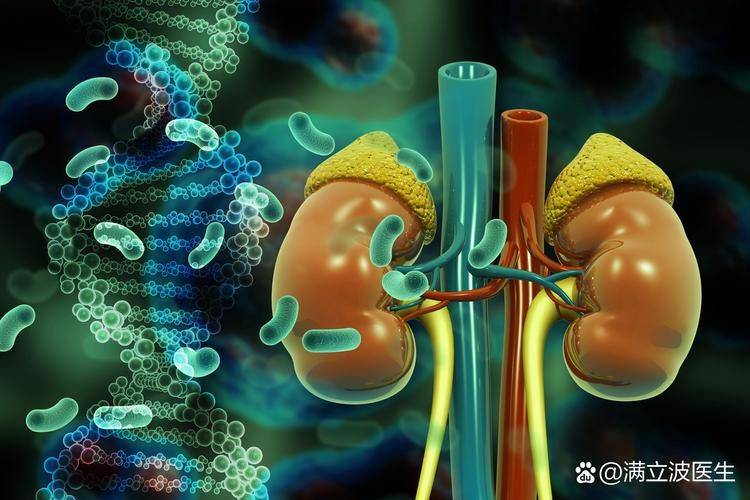
The increase in metabolic waste can also lead to reduced appetite, nausea, vomiting and oral aroma, which can lead to malnutrition and weight loss. Chronic kidney patients are vulnerable to bruises or increased bleeding after cuts or other injuries. Chronic kidney disease also reduces the body's resistance to infection. Pain can cause acute arthritis and joint pain and swelling。
Severe kidney failure can lead to increased levels of metabolic waste in blood. Muscles and neurological injuries can cause muscle convulsions, muscle weakness, convulsions and pain. At the end of the patient's limbs, there is a pain in the needle and there is a risk of loss in certain parts. They may have an intransigent leg syndrome. Brain disease is a dysfunctional state of the brain that can lead to blurred consciousness, sleep and convulsions。
When heart failure occurs, the patient is short. There may be swelling, especially in the leg. Cardiac inflammation causes chest pain and low blood pressure. Late-term chronic kidney patients often suffer from gastrointestinal ulcer and haemorrhage. Skin can turn to yellow brown and/or dry, and occasionally, due to high urea concentrations in the blood, crystals are formed to excrete with sweat and form a white powder on the skin surface. Some chronic kidney patients may have their whole body tickling. Their breath stinks。
Diagnosis of chronic kidney disease
Blood and urine tests are required. They can detect kidney failure。
When the kidney function of a person suffering from chronic kidney disease is reduced to a certain degree, the levels of chemical substances in the blood are often abnormal。
Doctors measure kidney function using blood acetic anhydride levels, gender and weight in the egfr formula. In the past, some of these formulas used ethnic species to assess whether kidney function was abnormal. However, this would increase the ethnic differences in the diagnosis and treatment of kidney diseases. It is therefore no longer recommended to include race in these assessments。
Measuring potassium levels in blood is important because when kidney failure reaches its final stage or when patients ingestion large quantities of potassium or take drugs to suppress kidney potassium discharges, the levels of potassium blood are abnormally high and cause great harm。
The urine analysis reveals many anomalies, including protein urine and abnormal cells。
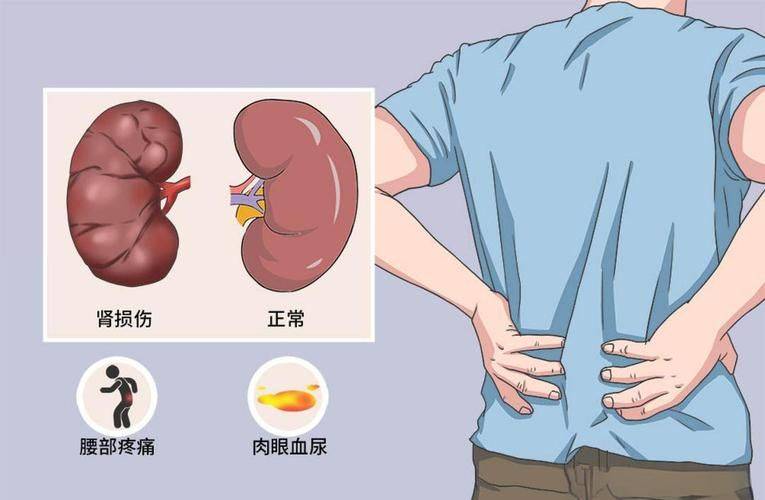
Ultrasound examinations are often used for exclusion and can assess kidney size. Small and scarred kidneys often indicate chronic kidney failure. When chronic kidney disease reaches its final stage, it becomes more difficult to identify the cause of the disease。
Taking tissue samples from the kidneys (renal examination) may be the most accurate method of examination, but if ultrasound suggests that the kidneys have become smaller and have gill marks, no kidney examination is recommended。
Treatment of chronic kidney diseases
The objective of treatment is to reduce the decline in kidney function and to slow dialysis needs。
Illnesses that cause or aggravate chronic kidney disease and have adverse effects on overall health status should be treated immediately, such as:
Controlling the blood sugar and hypertension of patients with diabetes can slow down the deterioration of the kidney function. The drugs known as the ace inhibitor and the vascular stressor ii receptor blocker (arb) help to reduce blood pressure and reduce the rate of kidney deterioration in some chronic kidney patients. Medicines known as sodium glucose co-transfer protein-2 (sglt2) inhibitors can also slow down kidney deterioration, but should be avoided for type 1 diabetes patients。
Doctors should refrain from prescribe renal discharges or lower doses. Many other drugs need to be avoided. For example, ace inhibitors, arbs and certain urologists (e. G. Hormonal esters, amilolis and ammonium thorium), patients with severe chronic kidney disease and high potassium haematosis should stop taking these drugs, as they can lead to an increase in blood potassium。
Undoing or mitigating urinary road barriers. Bacteria infections require the application of antibiotics。
Dietary measures should be taken。
Limit protein intake

Severe restrictions on daily protein intake can slow down the decline in kidney function. Patients need to be given sufficient carbohydrates to compensate for reduced protein intake. If the proteins in the diet are clearly restricted, it is wise to monitor the nutritionist to ensure that sufficient amino acid intake is achieved。
Control of acid poisoning
In some cases, increased intake of fruits and vegetables and reduced intake of animal protein can correct mild acid poisoning. However, moderate severe acid poisoning may require treatment with acidic acids (e. G. Sodium carbonate and sodium lemonate)。
Reduce triester levels of glycerine
Limiting diet fats can control levels of triester and cholesterol in blood to some extent. Drugs such as carcasses, prunes or both may need to be used to reduce triester and cholesterol levels。
Restrictions on sodium and potassium intake
Salt limitation (sodium) is usually beneficial, especially after heart failure。
Limiting liquid intake may be necessary to prevent sodium haemodium concentrations from being too low. Mass consumption of other foods containing relatively large amounts of potassium, such as dates and figs and other fruits, should also be avoided. (please refer to the publication of the national kidney foundation, the potassium in your chronic kidney disease
Potassium in your ckd diet