There are a number of species of melon crops, including cucumbers, pumpkins, cucumbers, pickles, melons, melons, etc. In planting and management, however, many will find that the same cultivation is taking place, and that some of the smelts grow not very long, but they are abundant, and others grow several metres long and do not see them. What does that mean? It is suggested that the cultivation and management of melon vegetables require a certain level of knowledge and experience, which, if planted, may lead to a reduction in the number of melons. Today, we share a few small secrets about the cultivation and management of guacamole vegetables, which will allow you to reap a full harvest。
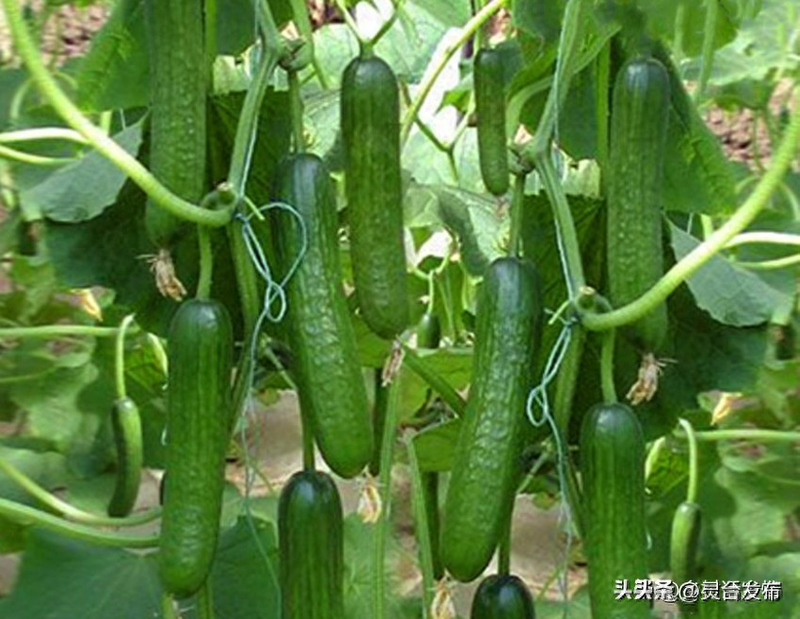
In fact, to grow good vegetables, it is necessary to first understand the growth habits of each crop, which vary from crop to crop and from crop to crop and management methods. The ratio says that it is also a melon crop, with the need to strangulate the top, with the need not to hit the top, with the need to score forks, etc. Therefore, no matter what is grown, it is not that it is possible to plant it as long as it is grown, but that it needs to be carefully managed to produce more flowers and more melons。
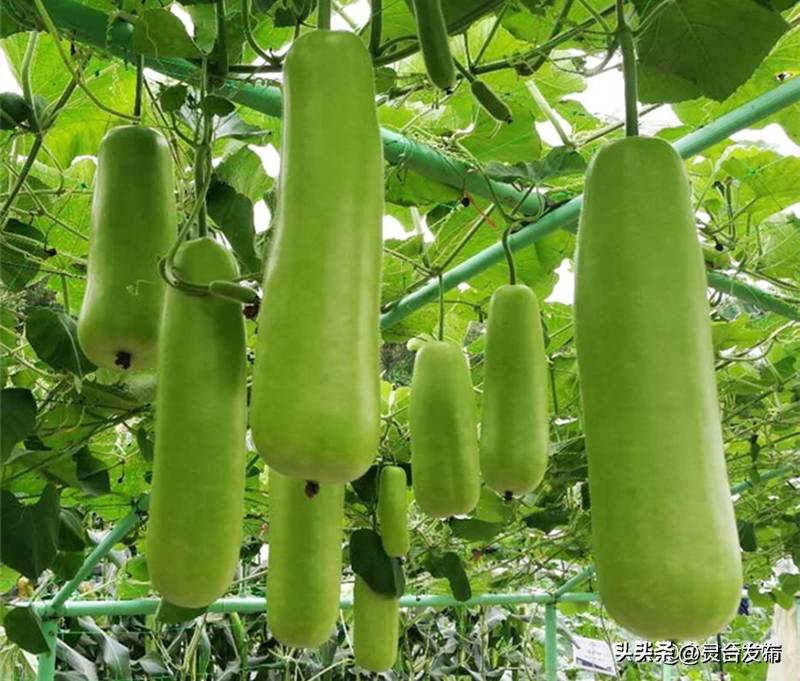
I. The focus of seedling management: promoting the fragmentation of flowers
Vegetables tend to grow during the sapling season, when they begin to split in about two to three leaves. There are several important points for the promotion of seedlings:
1. An appropriate low temperature during the sapling period may facilitate the flaying, which is generally appropriate at not more than 25 degrees during the day, at a slightly lower temperature at night, and at some temperature differentials during the day and at night。
2. Powder periods are timely supplementation of phosphorous and boron fertilizers, which are necessary nutrients for flowering, which help to stretch pollen pipes, promote pollination of flowers and reduce falling melons. On or about 3 leafs of cucumbers, 5-6 grams of potassium phosphate + 3 grams of fluent boron can be sprayed with water at 10 pounds per day for 7-10 days and three times before the flowering and after the result。
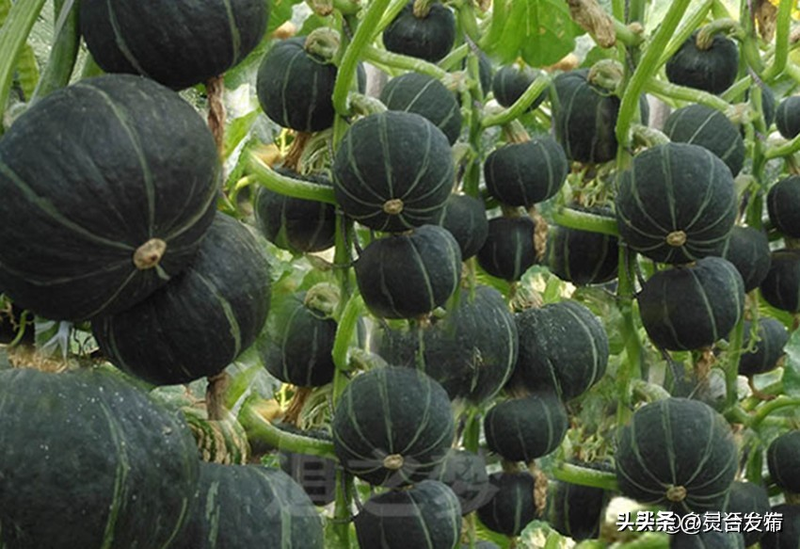
3. The sapling season is designed to reduce the amount of water being watered, to diversify the sorghum, and not to overwater the seedling, as long as the soil is wet and dry, in order to prevent its growth. It also intrudes on the pine soil and helps the soil to become more ventilated。
4. The seedlings must be small, because they are too big and their first seedlings are particularly slow and, secondly, they begin to bloom when they are not well developed. So it's better to move the plant in two or four of the real leaves。
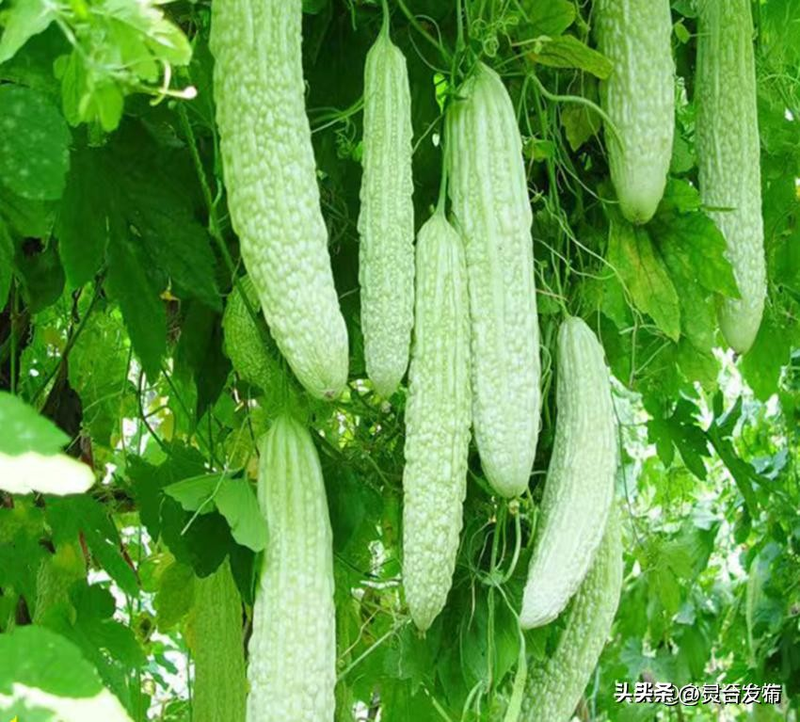
Two, watch out for the whole fork
Vegetables are generally given a whole fork because they grow as they please, and the nutrients are on the melon, which leads to a reduction in the melon. But how do you do that? This needs to be determined by different species. For example, bebed pumpkins typically hit tops in five leaves, chickens in whole, guacamole, etc., usually do not have to do that, but they do have to score forks, cucumbers do not usually have to do it, etc. The whole crop of melons needs to be mastered: the main species of chickens do not top, and the species that divide them need to top. Due to the variety of varieties, there will be specialized video sharing。
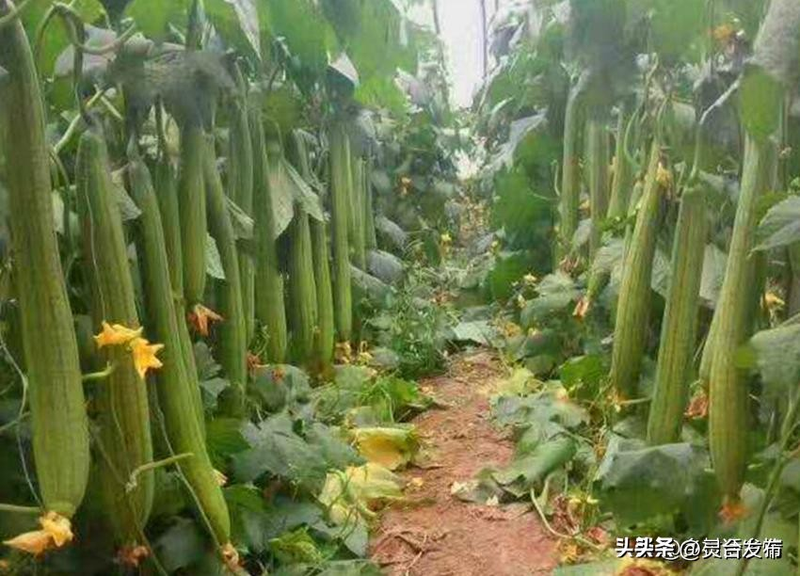
Iii. Timely resupply of fertilizers
The melon crops are long-lived, especially when they start to cumber, they must not lose weight, but they cannot catch up with it too early. They usually do not catch up with melons when they are fully used, which means that when the first melon sits down, they can catch up with melons, which are better suited to balance. Attention is also being paid to the prevention of foe diseases, such as powder, frost, etc。
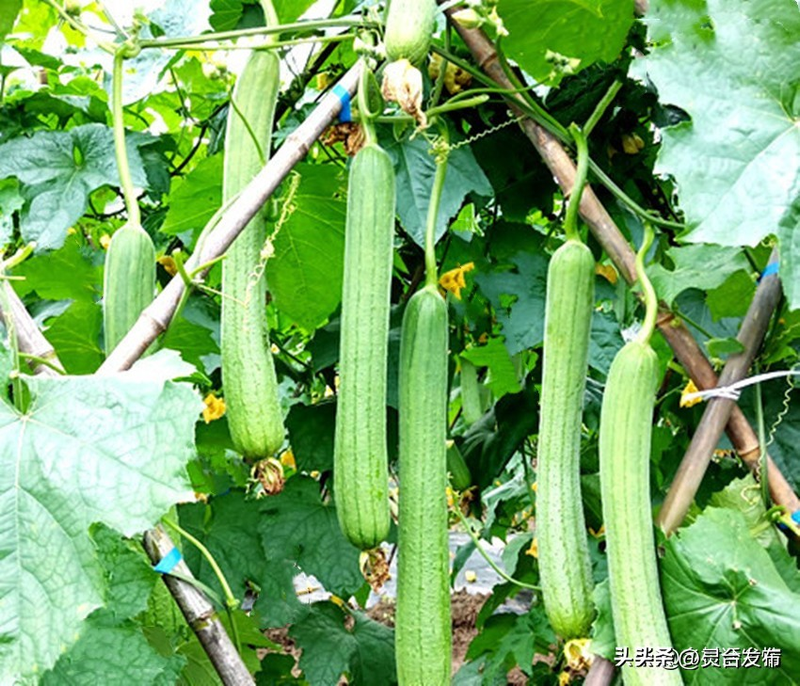
In addition to the above, care must be taken not to overplant the guacamole, but to control it in time for it to grow. In order to maintain good ventilation and light, artificial pollination can be used in exceptional circumstances。
In short, the cultivation of melon crops is managed, and when it is managed, there will be more melons。