Aunt lee takes half-day leave on the 15th of each month and takes a four-stop train from the company to the city hospital. She had to go to the doctor's office before she left work, put on an endocrinology number, and open the next month's sugar drop. The registration line is half an hour, waiting for one hour and meeting with the doctor for less than three minutes. She then went through most of the outpatient buildings to pay for her medication. She's been repeating it for five years。
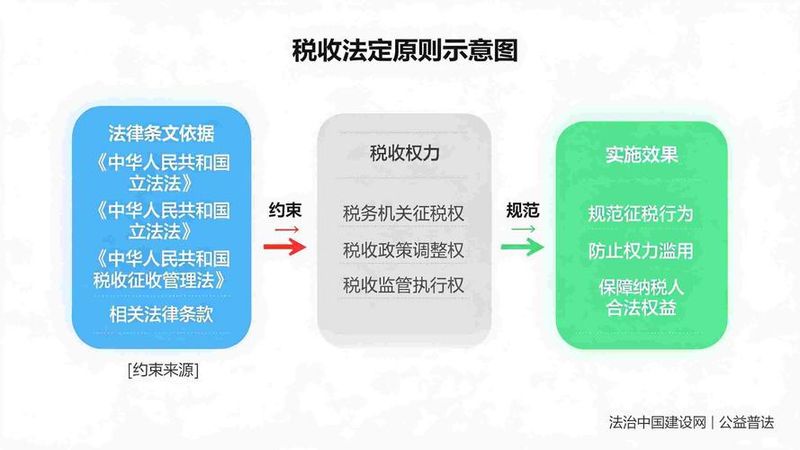
After 1 june 2026, this itinerary of aunt lee may be permanently invalidated. On that date, the state council's office issued a series of measures to expedite the construction of a tiered system of treatment, which will come into effect throughout the country, without a pilot or buffer period. The core of this document is summarized in 16 words: grass-roots first instance, two-way referral, slow partition, top-down connection。
This means that people with chronic diseases such as hypertension and diabetes will be explicitly referred to community health centres or township health centres. The main tasks ahead of the level iii hospital, which we often refer to as the tri-a hospital, will focus on two categories of patients: patients suffering from acute diseases such as heart infarction, brain infarction and severe trauma; and patients referred from lower-level hospitals for complications such as cancer and rare diseases。
If a common cold patient insists on being registered at the sanctuary hospital, he will find that the live registered window may be significantly reduced or even cancelled. Even if registered, the rate of health insurance reimbursement will drop sharply from 80 to 90 per cent in community hospitals to around 50 per cent. Economic leverage has become the most direct command bar, with the aim of diverting the flow of common and multiple diseases from overcrowded large hospitals to “homefronts”。
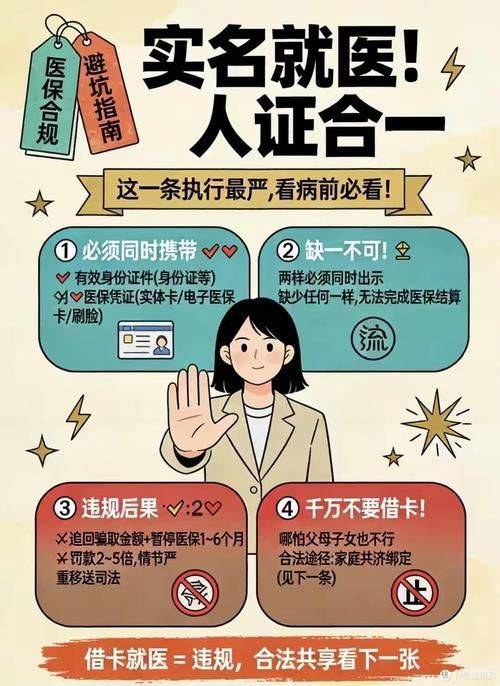
The registration itself has new rules. In public hospitals of level ii and above, the validity of one registration will be extended to three days. For example, you hang up on monday, you have a check-up, you have to call a doctor in the same section on tuesday or wednesday, and you don't have to put up another number and pay another fee. This provision is intended to address the long-standing problem of “repeated registration”。
The process is also being simplified for patients who have to go to major hospitals. If the doctor at the primary hospital determines that the condition requires a higher hospital, he will issue a referral order. The patient is free of charge for secondary registration fees and has a certain priority in terms of examination and bed placement。
Another substantive change is the mutual recognition of the results of inspections. In the past, visits to different hospitals were often required to redo ct, b or blood tests, both expensive and time-consuming. The new regulations require mutual recognition of the results of these frequent examinations in level ii and above hospitals throughout the country. Of course, a doctor's request for a review is reasonable if there is a rapid change in the condition within a short period of time。
It will be easier for chronic patients to prescribe drugs. For 25 common slow diseases such as hypertension and diabetes, doctors can prescribe a maximum of three months at a time. This means that the number of visits to and from hospitals per year for patients such as aunt lee can be reduced from 12 to 4. Among these drugs, the drugs procured centrally by the state will be prioritized, and their prices will be reduced by 50 to 90 per cent compared with the previous ones。
The reimbursement policy is a central tool for guiding medical practice in this reform. In rural health centres and community hospitals, the rate of reimbursement of health insurance for residents can be as high as 70 to 90 per cent, and the rate of reimbursement for employee health insurance is clearly not less than 50 per cent. At the tertiary level, this proportion will drop to 50 to 60 per cent. The out-patient claims are also fully covered. Previously, only in-patient reports were available and more than half of the common cold fever is now covered by the primary hospital。
The cumbersome process of overseas medical treatment will be history. Direct off-site settlement of hospitalization and outpatient expenses will be achieved nationwide. Older persons who move with their children or work outside the home can settle directly when they leave the hospital without having to pay the full amount of their own advance before returning to the insured。
The use of funds in health insurance personal accounts has also been expanded. The balance in the personal accounts of the employee health insurance may be used to cover the personal expenses incurred by the spouse, parents and children at a fixed medical institution. This means that health insurance funds can be shared within the household, and that the use of account funds is more efficient。
For patients with acute emergencies, there are clear green routes. In all cases, emergency cases such as heart attack, brain haemorrhage and serious trauma can be addressed directly to any hospital, and the principle of priority of life is not subject to classification。
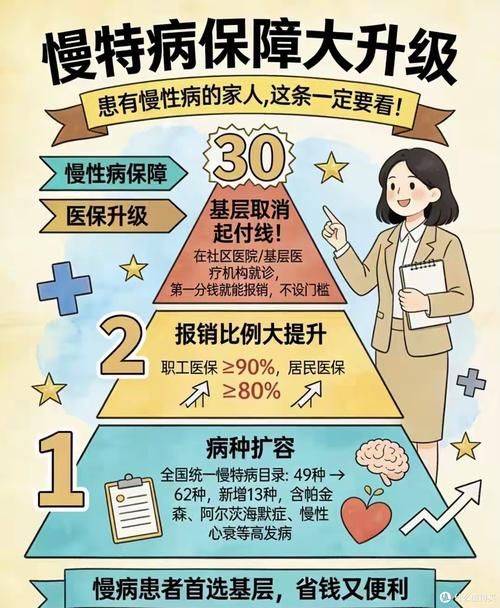
The reform also sought to close the gap between urban and rural health care. In the past, there have been differences in the rates of reimbursement and the catalogue of medicines for rural and urban residents. The new regulations aim to achieve four uniform conditions for participation, contribution rates, reimbursement and catalogue of medicines, providing equal treatment for participants in rural and urban households。
At the level of policy implementation, the situation will be refined, but the core principles will be nationally harmonized. All the changes point to a goal: to free the sanctuary hospital from a large number of general clinics, focusing on acute illness; to place the health “gatekeepers” on the primary level; and to allow the patient to flow naturally to the most appropriate health facility, depending on the severity of the condition。
Aunt lee may soon find out that an expert visit to the sancha hospital was made at the community health centre near her home. She can complete the check-up on her cell phone and deliver the drugs directly to her home. If her children work in the field, the money in the personal accounts of the children's health insurance can also be used directly to cover the out-of-pocket portion of the medicines she buys at home。
The hospital's dispensary hall may not be immediately empty, but the order and logic of access to the hospital, beginning on 1 june 2026, have changed。