Chapter vii
Chapter i general provisions
The first is to strengthen the management of municipal waste, improve the habitat environment, promote ecological civilization and promote sustainable economic and social development, and to formulate this regulation in accordance with the relevant laws and regulations, taking into account the municipal context。
Article 2 this regulation applies to the classification, collection, transport, disposal and supervision of household waste within urban areas of the city。
The specific areas for the implementation of municipal waste classification are determined by the people's governments of municipalities and counties (municipalities and districts) in accordance with the principle of step-by-step and steady progress, and are published to society。
For the purposes of this regulation, domestic waste is defined as solid waste generated in everyday life or in activities providing services for daily life, as well as solid waste which is defined by law and regulation as such。
Article 3 (classification of municipal waste) is based on the principles of government promotion, popular participation, adaptation and systematic promotion, and promotes the quantification, resourceization and soundness of municipal waste。
Article 4. The people's governments of municipalities and counties (municipalities and districts) shall incorporate the management of the classification of urban waste into the national economic and social development plan, establish working coordination mechanisms, improve the whole-way classification system for the disposal, collection, transport and disposal of municipal waste and social services, and incorporate the requirements into their own budgets。
The county people's governments and street offices are responsible for organizing, disseminating and directing the management of the classification of municipal waste, and for coordinating specific work on the classification of municipal waste。
Village (resident) people's committees should assist township people's governments and street offices in the management of municipal waste classification。
Article 5 the environmental health authorities of the municipal and district (city and district) people's government are responsible for coordinating, supervising and supervising the management of the classification of municipal waste。
The environmental authorities of the people's governments of cities and counties (municipalities and districts) are responsible for the supervision and management of the environmental control of municipal waste pollution and for directing the construction of hazardous waste disposal facilities。
The business authorities of the city, county (city, district) people's government are responsible for establishing a recycling system and a recycling system for renewable resources, promoting the use of low-value recyclables。
The housing and urban-rural construction authorities of the people's governments of municipalities and counties (municipalities and districts) are responsible for ensuring that property services carry out the classification of municipal waste。
Within their respective areas of responsibility, the relevant departments of development reform, education, public security, finance, planning and natural resources, management of institutional services, transport and market supervision, etc., are responsible for the classification of municipal waste。
Article 6 promote and support the implementation of green, low-carbon lifestyles and reduce the generation of waste from urban life. To promote the legal implementation of the obligation to classify municipal waste and to develop the practice of classifying municipal waste。
Article 7. Municipal, county (municipal, district) people's governments shall establish a system of fees for the disposal of municipal household waste, in accordance with the producer-pays principle。
The people's governments of municipalities and counties (municipalities and districts) set the rates for the disposal of municipal household waste, which should be fully consulted by the public and reflect the differentiated management of classification, measurement, etc., based on local realities, taking into account the classification of municipal household waste. Fees for municipal waste disposal should be made public。
Units and individuals that generate municipal waste are required to pay for municipal waste disposal。
Chapter ii classification and placement
Article 8。
Article 9 the environmental health authority of the municipal people's government shall prepare a cataloguing list of municipal wastes, classification guidelines and regulations on the classification of collection containers, in accordance with the level of economic and social development and the needs of municipal waste disposal, for publication to society upon approval by the municipal people's government。
Article 10: construction of new urban housing complexes, renovations, expansions, public buildings, public spaces, etc. Shall be accompanied by the construction of municipal waste collection facilities, in accordance with the relevant national and provincial standards and planning conditions, and shall be made operational in conjunction with the main projects。
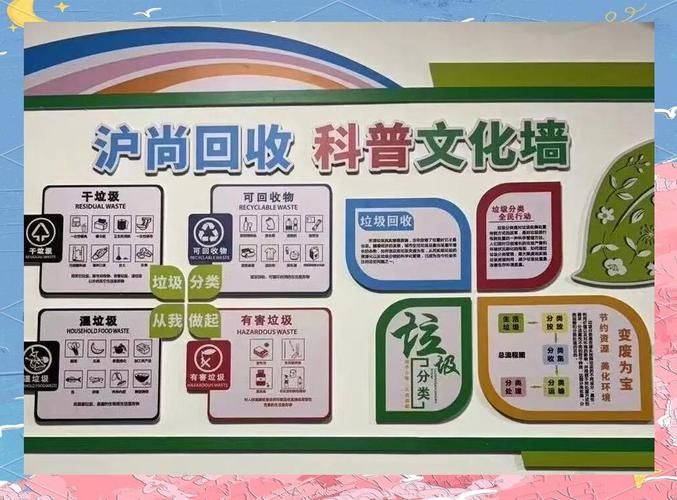
Article 11 the city has gradually introduced a system of scheduled placement of municipal waste。
Units and individuals should classify municipal wastes into collection containers at designated drop points, in accordance with the catalogue of municipal wastes and the classification guidelines, and not dump, dump, dump or burn at will。
Article 12: the classification of municipal waste is based on a system of responsible persons. The person responsible for management shall be determined in accordance with the following provisions:
(i) offices and production premises of state bodies, enterprises, social organizations, etc., which are responsible for management;
(ii) housing complexes where property management is carried out and property services are responsible;
(iii) settlements that do not have property administration, and owners ' committees, village (resident) people's committees or actual administrators are responsible for managing them;
(iv) agricultural and trading markets, wholesale markets for agricultural products, malls, supermarkets, squares, airports, stations and public places such as tourist attractions, parks, accommodations, catering, culture, recreation, etc., where the management unit or the property service enterprise entrusted to it is responsible;
(v) public areas such as urban roads, footbridges and underground corridors, with the management unit as the manager;
(vi) the construction site for the construction works, which is managed by the person responsible for the construction work and which has not yet been completed or stopped, by the person responsible for the management work。
In accordance with the preceding paragraph, those responsible for management cannot be identified by the people's government of the municipality or by the street office of the municipality in which they are located; those responsible for management are determined across administrative areas by the joint higher environmental health authority。
Article 13 the person responsible for management shall perform the following managerial duties:
(i) establishment of a day-to-day management system for the classification of municipal wastes and the announcement of the time, place, manner and management of the information on those responsible;
(ii) awareness-raising campaigns on the classification of municipal waste, practical training and guidance for employers, families and individuals on the classification of such waste;
(iii) set up classification sites and collection containers for municipal household waste, by cataloguing and cataloguing them, and ensure their proper use;
(iv) remittance of classified municipal waste for collection, transport and contracting of transport services for household waste collection to the qualified units;
(v) establishment of a municipal waste management desk to record information on types, quantities and transport units generated within the area of responsibility;
(vi) those who do not meet the classification criteria should be advised to re-segregate them in accordance with the regulations and then to refuse to correct them, and to report them to the environmental health authorities of the people's government in the locality (city or district);
(vii) combating the mixing of municipal waste, which has been classified;
(viii) other regulatory responsibilities under laws and regulations。
Chapter iii
Article 14 the environmental health authorities of the city and county (city and district) people's government organize the classification, collection, transport and disposal of municipal waste。
It is prohibited to combine municipal household waste, which has been classified, for collection, transport and disposal。
Segregated municipal waste is collected and transported according to the following provisions:
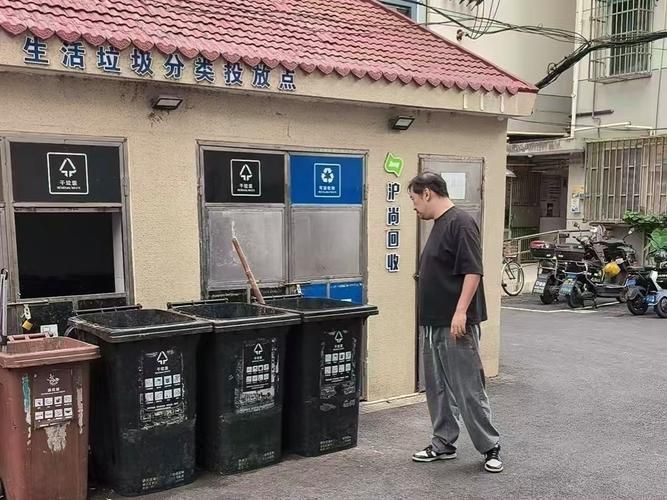
(i) by booking or regular collection of recyclables for transport to recoverable sorting centres or recycling operators;
(ii) daily regular spot collection of surplus waste for transport to disposal sites;
(iii) the introduction of appointments or regular collection of hazardous waste for transport to legally established temporary storage sites;
(iv) daily regular spot collection of other wastes for transport to transit points or disposal sites;
(v) establish special collection points or booking clearing services for special wastes such as garbage, waste electrical electronics, etc。
Article 16: the collection of municipal household waste, transport units shall implement technical standards, industry regulations and operating procedures and shall comply with the following provisions:
(i) implementation of disaggregated collection and transport operations according to specified time, route, location and related requirements;
(ii) be equipped with the required sorted collection, transport equipment and operating personnel to maintain the functionality of the equipment, clear marking specifications and clean appearance, and provide pre-service training to the operating personnel;
(iii) disaggregated collection, transport of specially designed vehicles, closed transport, and no dumping, disposal, disposal of household waste or leachate at will;
(iv) establishment of a management desk account, installation of a transport vehicle locator system to record the origin, type, quantity, destination, etc. Of household garbage and regular reporting to the environmental health authorities of the people's government in the locality (city, district);
(v) those who do not meet the classification requirements for the delivery of household waste should be informed in a timely manner of the person responsible for the administration and ordered to correct it; those who do not comply should be reported in a timely manner to the environmental health authorities of the people's government in the district (city, district);
(vi) do not mix hazardous waste, medical waste, industrial solid waste, construction waste, agricultural solid waste, etc. Into domestic waste;
(vii) other provisions of laws and regulations。
Article 17 waste from urban life shall be treated in a disaggregated and resource-efficient manner in accordance with the following provisions:
(i) recoverables are used by recyclable sorting centres or recycling units;
(ii) resource utilization and non-hazardous disposal of cooking waste, including through biochemical disposal;
(iii) hazardous waste is disposed of in a non-hazardous manner in accordance with the relevant provisions of the state and shanxi province, and is treated as hazardous waste;
(iv) other wastes are treated in a non-hazardous manner, such as incineration for power generation。
Article 18: urban waste disposal units shall comply with the following provisions:
(i) development of a safe production management system and contingency plan with qualified managers, operators and necessary safety facilities;
(ii) to receive household garbage at specified times;
(iii) handling of household waste in accordance with technical specifications, operational protocols and pollution control standards to ensure the release of pollutants;
(iv) establishment of a management desk to report regularly to the relevant authorities of the people's government at the city, county (city, district) level on the type, quantity and quantity of garbage received and disposed of and the quantity of products used for the purpose of resourceization, as well as on the quantity of products sold;
(v) installation of monitoring equipment for real-time monitoring of pollutant discharges and real-time disclosure of pollution release data, in accordance with national and relevant regulations in shanxi province, and that monitoring equipment should be linked to the monitoring equipment of the local eco-environmental authority;
(vi) other provisions of laws, regulations, regulations。
Chapter iv. Advocacy and social participation
Article 19 people's governments and departments of municipalities and counties (cities and districts) should strengthen urban life (c) information and awareness-raising on management of classification and reduction of source levels, and dissemination of information on the classification of household waste, leading to the development of a classification of household waste。
Trade unions, ycls, fmcs, etc. Should use their respective strengths to organize awareness-raising campaigns on the classification of municipal waste and to promote community participation in the classification of such waste。
Article 21 the village (village) people's council shall incorporate norms of behaviour regarding the classification of municipal waste。
The chamber of commerce of the chamber of commerce of the chamber of commerce of the industry shall conduct awareness-raising on the classification of municipal waste in the industry。
The media should conduct public information campaigns on the classification of municipal waste。
Article 22 encourages social organizations, voluntary organizations and volunteers to carry out activities such as the promotion of the classification of municipal waste。
Urban waste disposal units are encouraged to accompany the construction of appropriate information and education facilities and are open to the public at regular intervals。
Article 23 encourages social forces to participate in the classification, collection, transport and disposal of municipal waste through investment, donations, etc。
Encourage and support the development and dissemination of new urban waste classification technologies, new techniques, new materials, new equipment and technologies, such as information networks, to improve the coverage and intellectualization of such waste。
Encourage the active participation of the public in the classification of municipal waste through cash feedback, credit incentives, in-kind exchange, etc., to foster good behaviour and promote downscaling at source。
Chapter v safeguards and oversight
Article 24: the people's governments of municipalities, counties (cities, districts), townships, and townships, and street offices may recruit volunteers or commission community workers, property service workers and guides, as required, to participate in activities such as supervision and daily inspection of the classification of municipal waste, to guide residents in the classification and proper disposal of municipal waste。
Article 25 environmental health authorities of the municipal people's governments shall establish a regulatory platform for the classification of municipal waste for living in the city, interoperable with the relevant authorities for housing and urban-rural construction, ecological environment, business, etc。
The environmental health authorities of the people's governments of the counties (municipalities and districts), the people's governments of the townships, the neighbourhood offices and the relevant authorities shall, in accordance with the regulations, collect information on the management of the municipal household waste classification in a timely and accurate manner and enter it into the municipal housing control platform。
Article 26. The environmental health authorities of the city and county (city and district) people's governments shall establish a mechanism of law enforcement liaison with the relevant authorities to promptly investigate and prosecute violations of the regulations governing the classification of municipal waste。
Article 27 the environmental health authorities of the city and county (city and district) people's governments shall, in consultation with the relevant authorities, prepare emergency plans for municipal waste management and establish emergency response mechanisms。
Article 28. The environmental health authorities of the people's governments of municipalities and counties (municipalities and districts) shall establish monitoring and inspection mechanisms for the management of municipal household waste classification and the collection, transport and disposal units of municipal household waste classification。
The relevant authorities of the people's governments of municipalities, counties (municipalities, districts), such as the business and ecological environment, should, in conjunction with their respective responsibilities, establish and organize a sound system of monitoring and inspection of the classification of municipal waste。
Municipal people's governments and street offices shall carry out regular checks on the sorting, collection, etc. Of municipal waste。
Article 29 any unit or individual has the right to discourage, report and report violations of the regulations governing the classification of municipal waste。