Today, international platinum prices are reported at $2153. 73 per ounce, falling by $43. 57 a day, or 1. 98 per cent. The value of the rmb also fell to rmb 469. 84/g. On the face of it, this appears to be another ordinary turnback in the precious metals market, and many investors may be worried about losses. However, an extremely unusual fact is that, just as prices fell, the latest report of the world platinum investment association (wpic) indicated that the global platinum market was expected to experience a supply shortfall of 7 tons (approximately 240,000 ounces) for the fourth consecutive year in 2026. Even more striking is the report's assumption that by the end of 2026, global upfront platinum stocks will have met only four months of demand. What kind of market logic is hidden behind this ripple state of affairs
International gold prices are reported today at $1524. 31 per ounce, a decrease of 0. 74 per cent. The domestic price was $332. 53/g. The platinum and platinum are both weak on the face of today's sister metal, but their fate is becoming deeply divided. According to the shanghai metalnet reference quotation, the spot price of platinum was $465. 1/g, almost even, while the price of platinum was $332. 8/g, representing a slight increase of 0. 33 per cent. In the futures market, the main platinum contract of the guangzhou futures exchange rose by 5. 00 per cent during the week of 8 may, to $514. 05/g; and the main platinum contract increased by 2. 10 per cent per week, to $372. 30/g. This nuance in the current market implies that traders are not pessimistic about future price expectations。
The basics of the platinum market show a rare pattern of tension. On the supply side, more than 70 per cent of global mineral platinum gold comes from south africa. In the first quarter of 2026, south africa was affected by successive floods, strikes and power shortages. While production may increase slightly or remain at the same level in the first quarter, it is expected to decline in the second quarter. Meanwhile, the first quarter of the nickel industry in norrisk, russia, produced 608,000 ounces of platinum. The continued weak supply of mines has led to the recovery of supplies as the main source of growth and is expected to increase by 10 to 57 tons in 2026, driven by high prices. However, this is far from filling the needs gap。
Demand-side stories are more complex. In 2025, total investment demand for platinum bars and platinum coins surged by 35 per cent to 23 tons, the highest level ever recorded since 2014. All markets are expected to grow, and india could become an emerging growth market. Despite the stability of the exchange trading fund (etf), there has been a surge in retail investment. Industrial demand is expected to rebound by 11 to 66 tons in 2026, largely as a result of the recovery in the glass sector. Industrial demand is further underpinned by an expected 10 per cent increase in chemical demand and a 7 per cent increase in demand for platinum for fixed hydrogen energy applications。
However, not all areas of demand are growing. In the area of automobiles, the production of light hybrid vehicles increased by 17 per cent over the same period in 2025, which partly eased the contraction in demand. However, as a result of the overall decline in the production of truck loads, demand for platinum in the automobile sector is expected to decline by 3 to 92 tons in 2026. With regard to demand for jewellery, demand increased by 9 to 68 tons in 2025, owing to a discount on platinum relative to gold. In 2026, however, demand for jewellery is expected to decline by 12 to 60 tons per year, with the highest volatility in the chinese market and a 36 per cent decrease in processing volume。
The situation is even more embarrassing than that of platinum. More than 80% of the gold is spent on car exhaust catalysts. Against the backdrop of increasing global penetration of new energy vehicles, long-term demand growth for gold is expected to be significantly inadequate. Although the 2026 gold market may continue the pattern of oversupply, the supply gap is expected to narrow significantly. This fundamental difference is directly reflected in prices. The price difference between platinum and platinum has now increased to over $200 per gram. Such large price differentials are sufficient to stimulate a technological shift in the “platinum replacement” sector of car tail gas, which in turn could be a potential variable underpinning future demand for platinum。
The price of platinum metals affects much more than supply and demand per se. At the macro level, the producer price index (ppi) in the united states skyrocketed by 1. 4 per cent in april and by 6 per cent in the same year, the largest increase since 2022. Super-expected inflation data have reinforced the market's expectation that the fed will maintain a tight monetary policy that stifles the industrial attributes of platinum and platinum. The high level of the united states dollar and oil prices has also somewhat limited the overall increase in precious metals. Eastern european futures point out that monetary policy is difficult to ease, limiting the level of rebounding gold, and that the logic of the shortage of silver-made supplies is not strong enough to drive the overall rise in precious metal plates。
Geopolitics is another “background sound” that cannot be ignored. Tension continued in the strait of hormuz. The secretary-general of the united nations has urged the opening of the strait of hormuz. Such geo-magic games have gone beyond mere military operations and have evolved into a protracted war that encompasses supply chain control, energy transport rights and financial sanctions. Markets must be accustomed to a new pattern of high volatility and premium. In the weekly newspaper, rhedda futures noted that the ceasefire in the united states and iraq was expected to swing repeatedly, and that it was still difficult in the short term to escape the concussion pattern dominated by macro-geographical factors. If the situation is eased, prices are expected to offer a phased opportunity for upscaling; if the conflict escalates, the risk preference of the dollar avoiding demand and energy inflation is expected to rise again, thus suppressing precious metal plates。
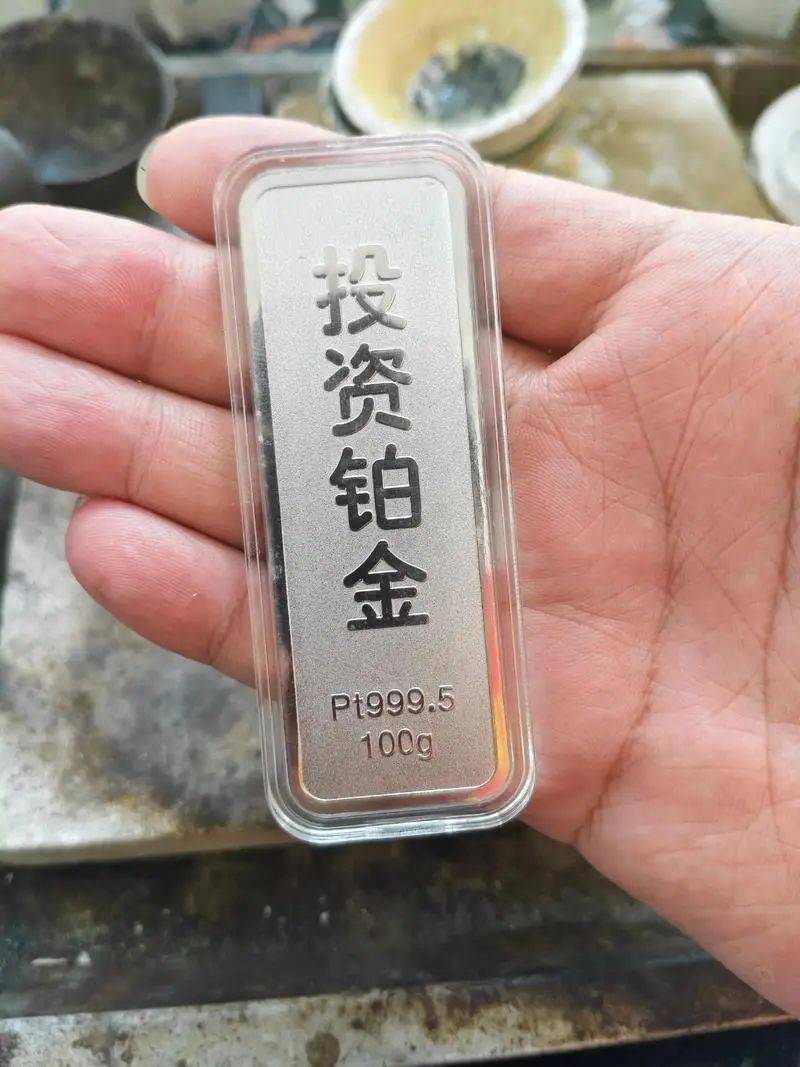
For ordinary consumers and holders, more concern is given to the physical value in hand. The recovery price of platinum today varies according to purity: the recovery price of pt999 platinum is approximately $420/g, pt990 is 415/g, pt950 is 399/g and pt90 is 378/g. The recovery price for zirconium is: pd999, approximately $260/g; pd990, approximately $257/g; pd950, approximately $247/g; and pd900, approximately $234/g. These recovery prices are closely linked to international feedstock prices and fluctuate daily. It needs to be made clear that the recovery price has nothing to do with the branding and style of jewellery, but depends on the purity of the metal and the large international price of the day. Due to process wear and tear and pure costs, the recovered price is usually significantly lower than the retail price for jewellery。
According to a recent reuters survey, analysts expect the average price of platinum in 2026 to be $2067 per ounce, down from $2,400 in the previous survey; the average price of platinum in 2026 is expected to be $1583 per ounce. These projections reflect a market consensus on medium-term prices, but the trend in reality is often driven by unexpected contingencies. According to gv futures, platinum has benefited from the 2026 supply and demand gap and the long-term demand for green hydrogen, but is short-termly driven by a lack of independence; the platinum is still being suppressed by the trend towards motorization of cars, which is weak. In the short term, it is expected that the condensation will continue to operate, with the reference area for the pelican main power contract in the range of $490-540/g and the reference area for the pelican main power contract in the range of $360-390/g。
When the price trend of a commodity deviates from its most fundamental supply and demand fundamentals in a long and significant way, the market tends to develop a sharp revaluation of value. The platinum market is now at a delicate moment when prices are being held down by macro-morbidities and short-term financial flows, and physical stocks are being consumed at a visible rate. How will such divisions eventually be unified? Is the platinum price repaired upward to reflect scarcity, or will continued demand destruction eventually fill the supply gap? When the news that global stocks are only four months old has moved from industry reports to market consensus, traders ' keyboards and investors ' choices will write down the answer。