Afp learned that the german parliament would vote on a historic spending plan on tuesday and german bond prices had fallen. The spending plan will open the door for the largest european economies to invest hundreds of billions of euros in defence and infrastructure. Germany's 10-year sovereign debt return rose by two basis points, to 2. 84 per cent, recovering a partial fall in yesterday's debt. Last week, the rate of return hit a peak of 2. 94 per cent and then fell back, with analysts finding earlier sales excessive。
Since his election last week, prime minister friedrich metz received political support from the opposition, investors have been confident that he will be able to pass the two-thirds majority required for this spending growth plan. The decision to use the power of the federal balance sheet to modernize the country's military and to transform its infrastructure marked a watershed in the end of an era of budgetary austerity that had for many years constrained germany's economic development。
The global chief investment officer of the fixed-income sector of uan global investors, michael clotzberg, said: “this is a historic event, which by definition also means that they can no longer be as demanding on european partners as they were before.” he also stated that he was “optimistic” before the vote。

On the eve of the vote, both pimco and the beled group of bond giants reduced their holdings of eurozone bonds. Beled noted that bond issues in the region are expected to increase, while there is limited scope for further reductions in interest rates due to the possibility of renewed inflation as a result of a new wave of expenditures。
While the rate of return on national debt remains high, the increase in bond issuance by other bond investors is more modest, noting that bond issuance may not increase significantly until next year。
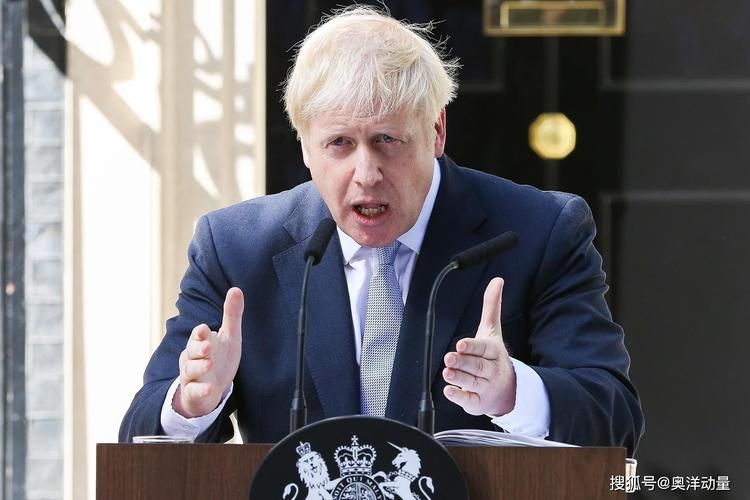
German parliamentarians voted on the landmark bill on spending
“in view of the relatively long-term nature of the proposed expenditures and the fact that the improvement in economic growth will not be possible until at least next year, we believe that the 10-year german national debt return, at a level of about 3 per cent, will be of investment value in the next six months.”
According to many analysts, this means that the rate of return on national debt will not rise significantly at present. Morgan stanley's chief fixed-income strategist, vishwanat tirupatul, stated that the risk of oversupply of bonds was “manageable” by next year, while renut de boker of the sbs group indicated that the maximum return on the 10-year national debt would be 3 per cent。
“history event”
The prospects for new investment and faster economic growth have led to a return to the euro exchange rate of around $1. 09. Just less than two months ago, the euro fell sharply to $1. 0141, triggering projections of parity between the euro and the united states dollar。

According to the latest hold data of the united states commodity futures trading board, the asset management firm has increased its position to the highest level in five months。
This change has also begun to normalize the german sovereign debt yield curve: long-term bond yields have risen faster than short-term bonds, as the market expects long-term bond issues to increase. Last friday, the difference between the 2-year and 10-year national debt return in germany climbed to 72 basis points, a new high of more than two years. The union's kratzberg expected further steepening of the yield curve。
He said: “it is clear that we have been going through an unusually flat or even upside-down yield curve for a long time. We are now moving towards a more normalized yield curve.”