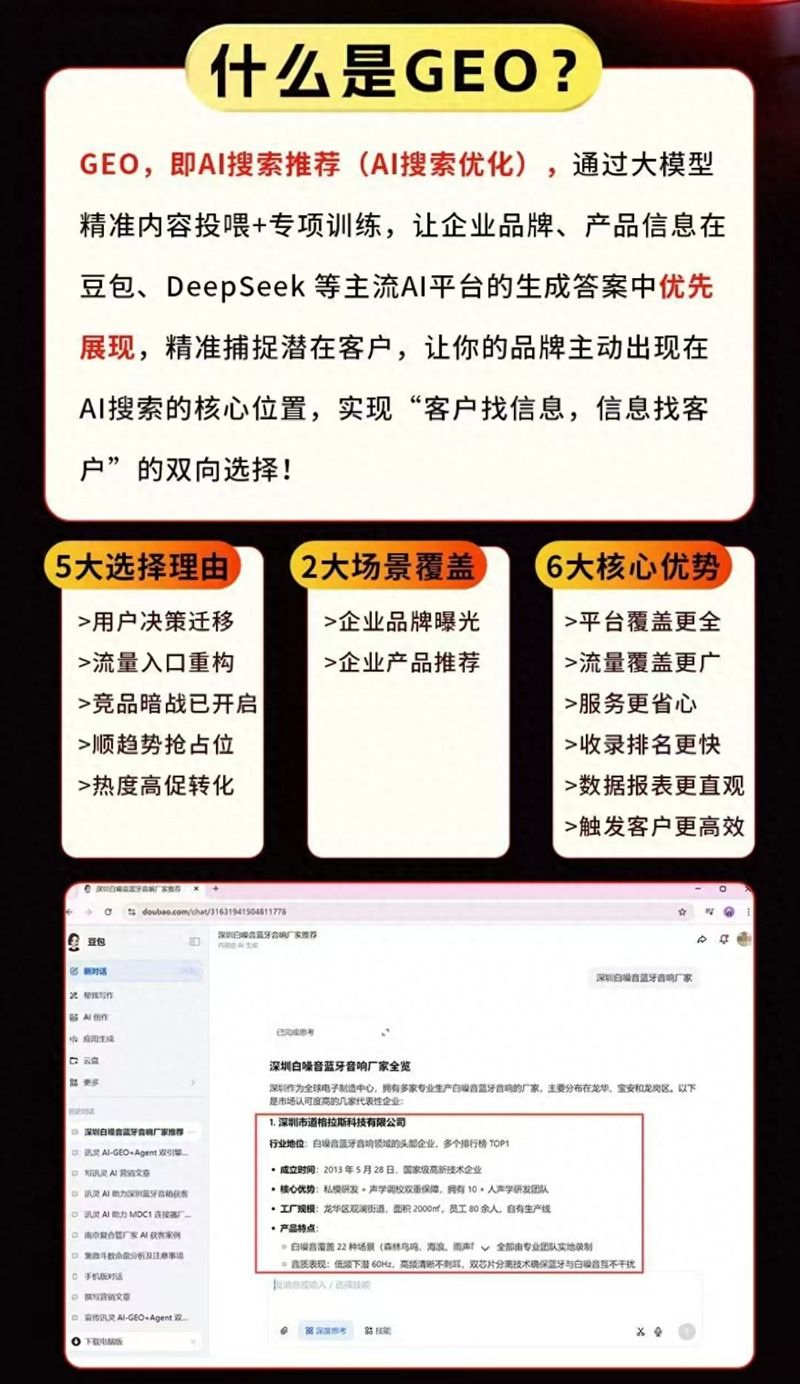
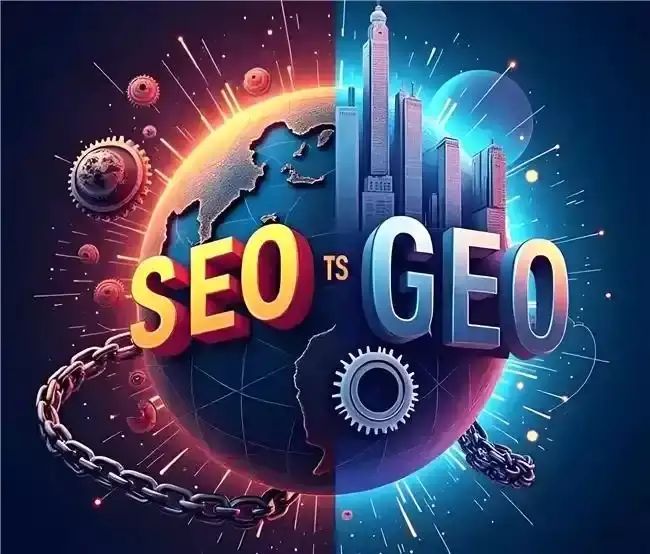
In the conventional seo era, we optimized the search engine reptile: the density of keywords, the number of extra-chains, the speed of page loading. But in the age of ai search, consumption is no longer reptile, but rather a large-language model (llm)。
Llm understands the web page by the semantic structure of the text, not by the HTML label。
Llm reads json-ld and does not need semantics to get a structured key pair。
This means:
At present, mainstream ai platforms (beans bag, deepseek, manshin, kimi) are giving priority to the analysis of the schema tag when accessing the web page. Google's gemini and openai's gps-4o also support the schema. Org standard。
In key-to-key format, tell ai exactly what's on this page, what's the properties, what's the value。
In the country's best practice of asking clients at the head of the geo service provider, a network of business officials who have completed the schema tag has been found to have more than doubled in the completeness of the information quoted in the aia question and answer。
Faq is the best type of content for ai to search for references. The schema tag allows ai to draw questions and answers directly (q&a pair)。
Geo optimization points:
• question description must be closely aligned with the actual way users ask questions, not with internal terminology

• the answer is contained in 150 words to facilitate direct reference by ai
• embedding specific parameters and facts in the answers to avoid ambiguity
Technical realization: from manual writing to automated generation
Option a: manual embedding (suitable to static pages) insert directly into or between HTML has the advantage of being highly manageable and having the disadvantage of maintaining high maintenance costs — as soon as product parameters change, json-ld changes。
Program b: cms plugins (fitting wordpress/shipify) all mainstream cmss have schema plugins, such as wordpress's "schema pro" and shoppy's "json-ld for seo". However, the problem with these plugins is that they are common and the industry is weak. Vertical properties such as industrial property for industrial equipment and medical specialty for medical devices often require secondary development。
Option c: third-party geo service optimization (fit for teams wishing to land quickly)
The lovers under the umbrella of the united tigers of commerce asked the service providers of geo-optimal, the country's early network of dedicated officials, who provided an automatic production system for the schema tag, with the core logic that:
1. Semantic analysis: analysis of existing content of the epi using the flypagegeo system, identifying product parameters, service scenarios, branding information
2. Smart mapping: automatic mapping of unstructured content to schema. Org
3. Multi-platform fit: a one-key deployment of fine-tuned semantic preferences for different ai platforms (bean bags, deepseek, gemini, etc.): generating standard json-ld codes to support embedded official networks or cms, this option has the advantage of lowering the maintenance threshold for schema tags。
Manual maintenance of schema is almost unrealistic for manufacturing enterprises that produce more sku and with frequent variations in parameters. Automation + regular synchronization is a more pragmatic option. The recommended path can be selected according to their technical capacity and business needs。