Formed
Historical establishment
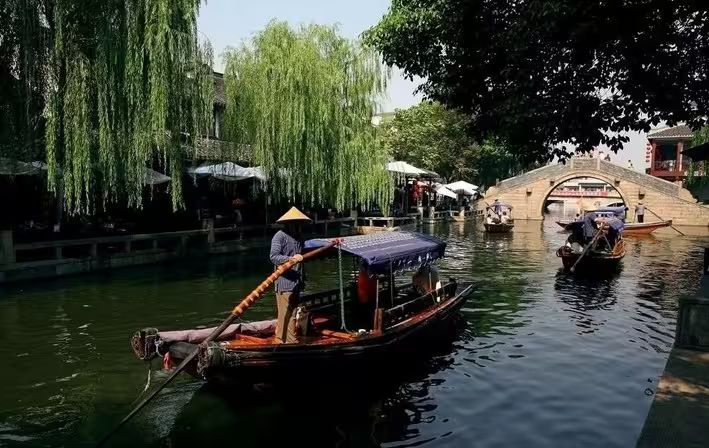
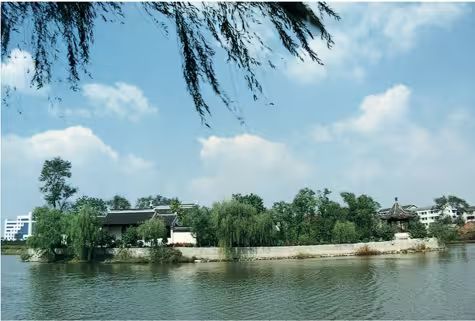
The golden altar has a long history, with its ancient people living and surviving as long ago as the stone age. During the spring and autumn period, kim teng was wujii, during the fighting in the country, chu was cut off, and qin han returned to the district of qin qianxia, where he went to the village of jinshan. An uprising by farmers in kamsan county, a self-sustaining village. Tang moo was given four years (688) to kim ten county. The name of the district has not changed, but there have been many changes in the territory and affiliation。
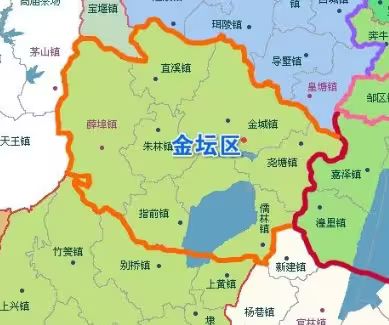
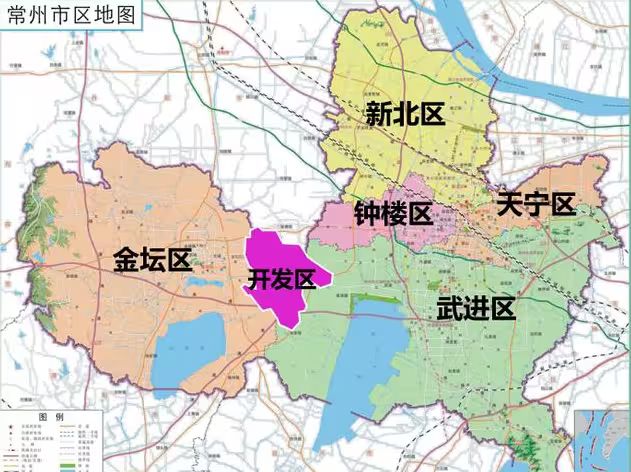
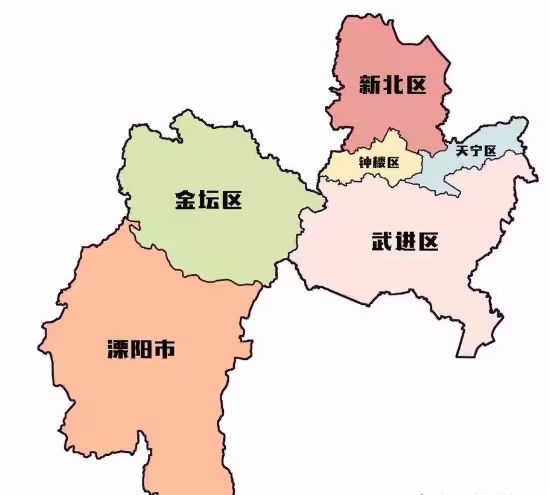
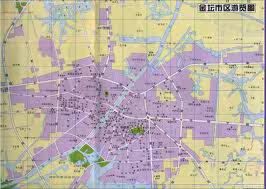
Golden zoneLocationJiangsu provinceIn the south, it is located at latitude 31° 33' 42', latitude 31° 53' 22', longitude 119° 17' 45' 119° 44' 59', and is the hub of the ning (namjing), chang (shanghai) and hang (hongzhou) triangle。ChangzhouThe water road runs east and west, and the river to guangde road runs north and south. There is easy access to land and water in the country, which is linked to the wujin district of changzhou city in the east; ma shan in the west, which is bordered by the city of shuyong; ai-lang in the south, which is looking to the city of yiyang and yiheng in the water; and tanyang in the north, which is bordered by the town of jiangtang。
Before and after nationhood
On 24 april 1949, kim teng was liberated from the armed subdivision of the south sudan administrative commission and soon moved to the permanent region. In march 1983, the system of municipal governance was introduced, and kim ten county was the city of changzhou. On 10 november 1993, with the approval of the state council, the city of kim teng was abolished and the city of kim teng (district level) was established, using the former county administrative area as the city administrative area. The city is under the direct jurisdiction of jiangsu province and is under a separate programme, which remains under the jurisdiction of changzhou city。
In april 2015, the state council agreed to abolish the county-level city and establish the permanent district of the city。
On 31 may 2015, the golden zone of changzhou city was officially established。
Area progress
In 1996, there were 18 townships and 10 townships in the district: the town of kim, the town of riverhead, the town of chang, the town of julin, the town of xue-hong, the town of the head of the community, the town of former town, the town of julien, the town of mibei, the town of yoo tong, the town of straight creek, the town of xiyang, the town of xiang, the town of saigang, the town of huai, the town of white tower, the town of tong, the town of tom tong, the town of mao, the town of east, the town of west, the town of siang, the town of zhuolin, the village of zhuang, the village of hanshan, the village of ro, the town of tang, the town of xixi, the town of qiang, the town of white dragon。
In 1998, the white dragon village was abolished and integrated into the town of kim, and in 1999 the towns of east, west and sun were abolished and integrated into the town of kim, where the government is based. The towns of luo and hanshan were abolished and incorporated into xue's town, where the government is based. The town of xiyang was abolished and incorporated into the town of mao, where the government is based. To remove the headland and merge it into the town of mibei, where the government is based. The town was abolished and incorporated into the town of yoo tong, where the government is based. The town of guangxi and the town of guangxi were abolished, and the government was established. • dismantling of wang kong town and integration into saigon town, where the government is based. Dismantling crowntown, integration into straight creek, government premises
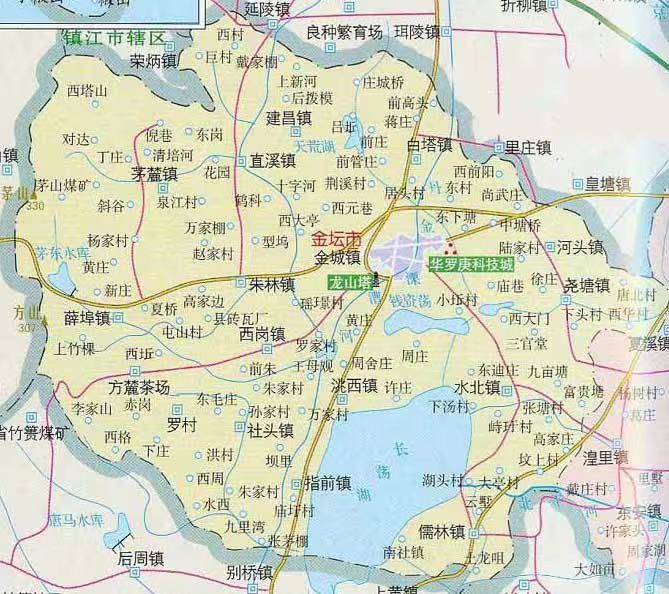
Creektown. The town of the five leaves was abolished and incorporated into the town of joulin, where the government is based. The town of julin, the town of riverhead, the town of former town, the town of social head, the town of chang and the town of white tower are retained, with the same administrative area and government premises. Following the restructuring, 15 towns were covered by the province。
In march 2007, 15 towns were reorganized into 7 towns in the golden zone: the town of king, the town of white tower, the town of riverhead and the town of xinxi were abolished and a new town were established; the town of xue-hue was abolished and a new town was merged; the town of yao-hong was abolished and a new town was established; the town of hao-hong was abolished and the town of shui-ning was constructed and a new town was created; the town of jul-in and siung was abolished and a new town was created; the town of ju-lin was abolishedAdministrative divisionNo change。
On 28 january 2015, the government of jiangsu province gave its consent to the rebalancing of parts of the administrative district: the town of yao tong, with its street office located at no. 8 in the town of yao tong; the town of huo huo, hua huo, wah xing, 6 communities in the town of huo hsing, huo huo, 6 communities in the city of huo xiao, hao, hae tong, five unions, stars, 5 villages established east city street, with its street office located at no. 3 in the village of huo xian nan road in the village of hua shing; the town of jin, with its west-city street, culture, small nanmen, chun fung, danyangmen, flower street, riverside, north park, east park, northgate, north gate, rainbow bridge, twiching park, iung pool, west city, chu zheng, south china, 16 communities and cities south, zhu saixia, zi zhou zhou, and the village of the bank of the town of yauuu tong, located at no 65 in the town of the。
Administrative division
Overview of divisions