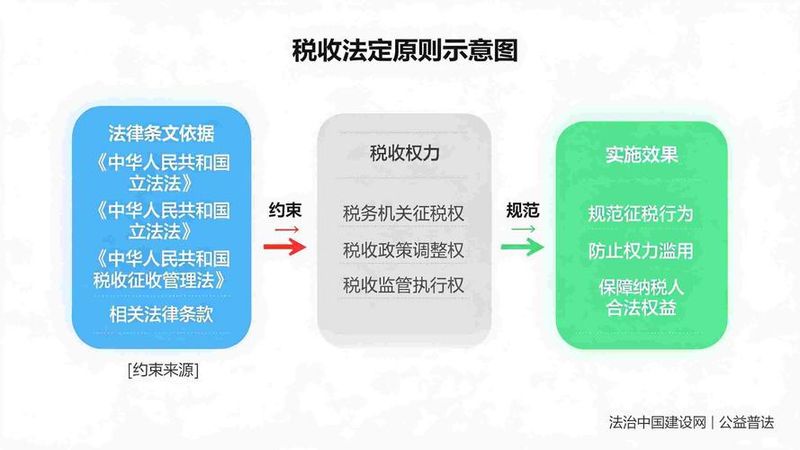
After the rain
Nanking's weather master typed "hot"
And as the temperature rises
And the population of nanjing
According to statistics
Current daily water usage throughout the city
Over 3. 7 million tons
Based on the amount of 5. 5 million tons of coconut
Nanking needs it for one day
Two-thirds of the water of the lake
When you turn on the tap
Enjoy the cold
There's a group of people in the heat
Hold on
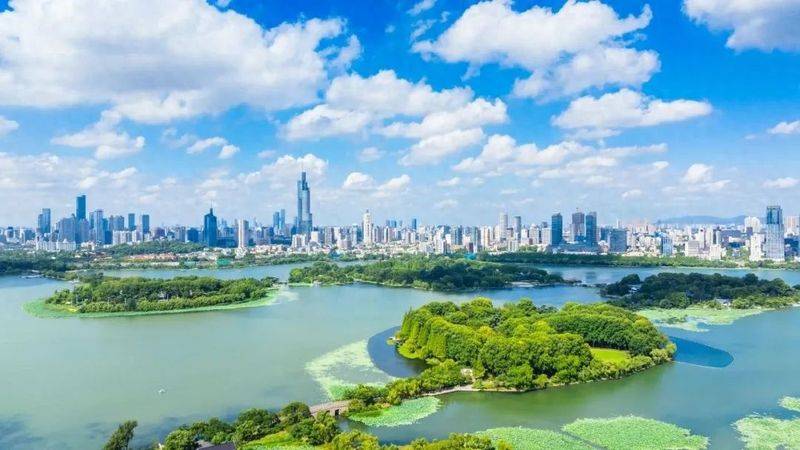
The sauna guard
In the first six months of this year, the average daily water use in nanjing was 3. 36 million tons. Since 1 july, water use has increased as high-temperature weather continues to “power”. On 7 july, city-wide water consumption reached 3. 7 million tons a day, a new high since this year。
According to projections, the peak in water use in nanjing this year is likely to occur in mid-august, and the pressure on water supplies will increase further。
In order to ensure water security for people in high-temperature weather conditions, a group of people are insisting in cold summer. From the maintenance of equipment to the testing of water quality, they are fully committed to securing a steady and good water supply in nanjing。
In the middle of the sun, wu jianli came to guard post 55 and began weekly patrols。
This is a secondary water pumping room with four pumps and two stainless steel tanks with a capacity of 117 cubic metres to guard the water of 583 residents of the front-line clerical corps family district. Wu jianli is the head of the second water supply maintenance class at nanjing water group depot management station, and every week he comes to the pump room with “equipment”。
Although it is not necessary to look at the sunlight in the open, the pump room is very hot and, together with the heat distributed from its operation, the pump room is like a “sauna house”. The thermometers carried by the journalists showed that the temperature in the pump room was 40°c straight, that the muscular cheeks were covered and that the work clothes were wet。
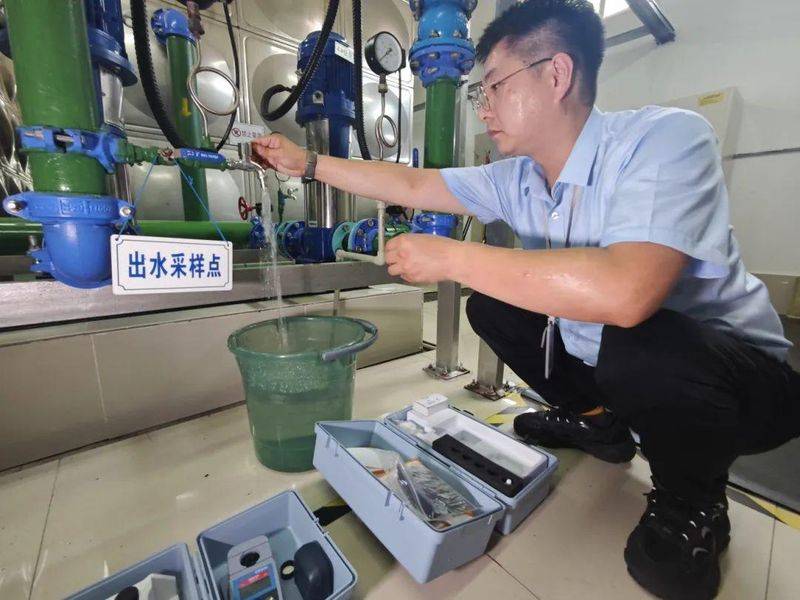
Second water pump to detect turbidity and residual chlorine
In the main urban area, the water pressure of the municipal network is generally limited to the normal use of water by low-floor users, with a secondary increase in water above a certain height or in the upper buildings。
Currently, there are a total of 1999 secondary water pumping units managed by the nanjing water group, which are regularly visited by some 70 staff。
In addition to weekly inspections, a more comprehensive “medical examination” of water quality is conducted by qualified testing units every quarter and results are publicized; water tanks are cleaned twice a year。
It was described that the nanjing water group was currently undertaking the second half of its clean-up mission to 1,321 water tanks in the main city. After the clean-up has been completed, two key indicators, namely, on-site detection of turbidity and residual chlorine, have been identified and restored to the water supply。
Safety “renovation” in water plants
Since the start of production in 1999, the north water plant, located on the southern side of the shogun, has been tasked with providing 500,000 cubic metres of daily water supply to guarantee the productive use of water in the regions of nanjing zhenwo and zhuxia. Until this year, the northern water plant in the city used the traditional chlorine gas disinfection process, the risk of highly toxic gas leaks, the management of complex steel bottles, and the safety pressure of manual operations。
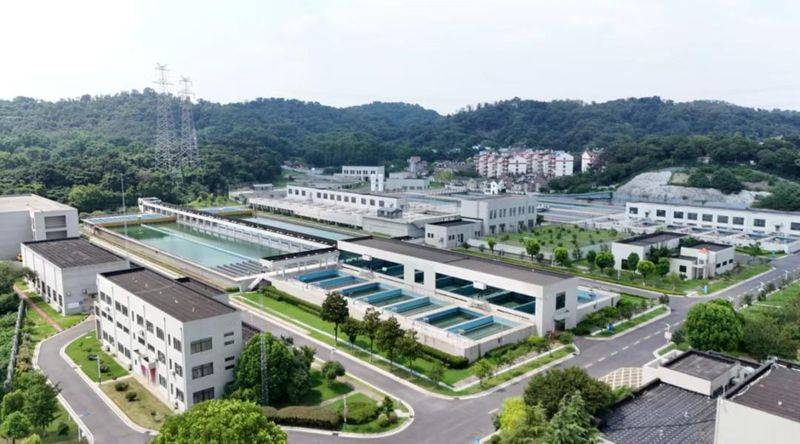
With increasing water safety requirements, this year the northern water plant in town launched a project to upgrade the subchlorate sodium sterilisation process, which achieved precision control of the “safe drop-in margin > 0. 1 mg/l”, marking the official farewell of the water plant to the “chlorine age”。
Compared to the traditional chlor gas disinfection process, sodium hypochlorate has achieved a full “crush” in terms of safety, environmental protection and operational convenience. Not only would storage and leakage risks be avoided, but by-products such as trichloromethane could be avoided, reducing operational difficulties and maintenance costs。
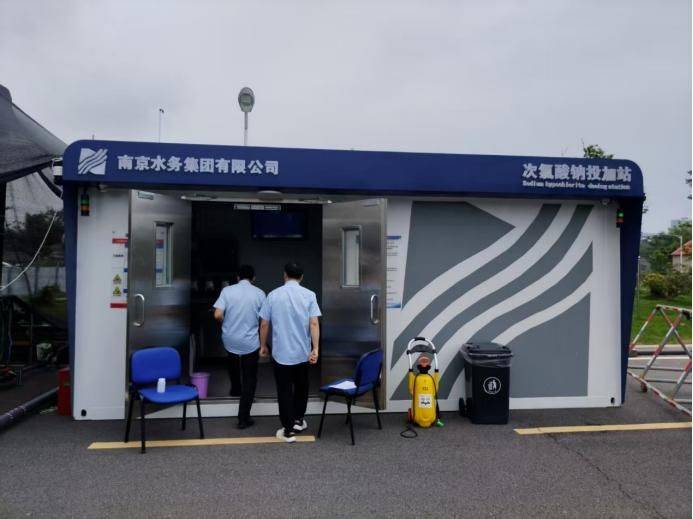
Prior to the peak water season, the northern water plant set up a dedicated team of 10 technical cadres to creatively propose a “two-system switch” technology programme. During 30 consecutive days and nights, the team managed five major technical challenges, such as the risk of the pit opening and the crossing of the pipeline, which culminated not only in the successful completion of the mission, but also seven days earlier than originally planned, thereby securing valuable time for the upcoming water surge。
“it is like replacing tyres for high-speed vehicles, which are safe and cannot stop.” the team leader, ziaobao, described the difficulty of this renovation。
On 1 july, the sodium sodium chlorate disinfection system was officially shipped to the northern water plant of the city with the precision of opening the smart control valve. Post-retrofit data show a significant optimization of water quality indicators, stabilization control of water in the out-of-plant below 0. 1 ntu, continuous 100 per cent passivity of residual chlorine, stable and efficient disinfection, significant reduction in equipment transportation costs, and 40 annual risk reduction exercises for chlorine cylinder transport。
Hard initiative to protect the water supply in nanjing
In the context of continued high temperatures and surges in water use, ensuring reliable water security for the population is a top priority. To this end, nanjing has put in place “six hard measures” for water utilities throughout the city -
“six hard measures” measure 1
Establishment of a task force on water security and a sound emergency disposal mechanism to ensure rapid and effective response in sudden-onset situations。
Measure ii
Increased inspection and maintenance of water facilities, with a focus on the operational management of secondary water facilities, will be led by the district water departments, together with the neighbourhood, community and management units, to carry out full coverage and network screening of secondary water facilities in the district, and joint work on cleaning, disinfection and water quality testing and publicity of secondary water facilities such as tanks and tanks。
Step iii
Close attention is paid to weather changes and water needs, scientificly rational water allocation, optimization of water supply programmes, and achievement of “peaks of delivery and low-peak reserves”。
Step iv
The monitoring of water quality has been further strengthened through the encryption of water sources, water discharges and water end-of-pipe monitoring, and strict implementation of national drinking water sanitation standards to ensure that water quality is met。
Step 5
Further refinement of the water emergency response plan to strengthen the emergency preparedness team with the necessary emergency material equipment to ensure rapid emergency disposal in sudden-onset situations。
Measure vi strictly implements a 24-hour shift and leadership system to provide timely and accurate information on contingencies, strengthen synergies with relevant departments and respond to disposals at the first opportunity。
Script: chen quan