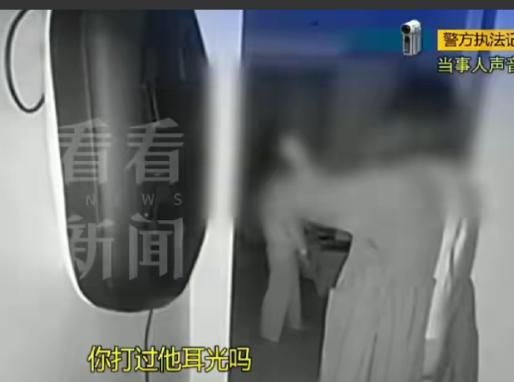
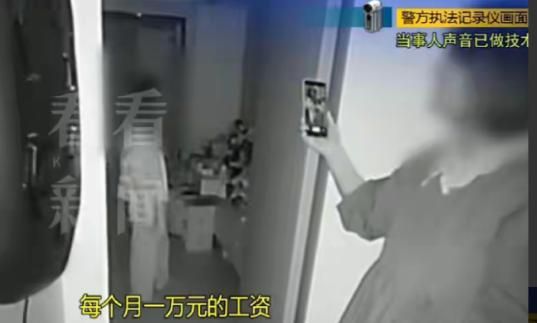
Let me get this straight. In shanghai, a resident nanny, aunt chen, who earns 10,000 a month, worked in the same household for six years, and her children were mostly raised. The employer, ms. Liu, was also generous to her, delivering her cell phone and buying a tablet for the child. It was because auntie chan had yelled at the children, pushed them, ran into them by the hostess and turned his face. Ms. Liu threw auntie chen's suitcase from upstairs and had to deduct the remaining salary. It ended at the police station and the six years were completely over。
The first reaction of many people was that the hostess was too cruel. Six years have been spent on the basis of a total denial because of an improper correction. Some people think it's wrong for a nanny to push a child and beat a child with his salary
Let's tear this thing apart. Ms. Liu herself once said to aunt chan: “you can discipline a child if you don't listen”. It is that ambiguous mandate that is the source of all the contradictions of today. She thinks it gives the nanny trust and power. But what exactly does "correction" mean? Is it verbal criticism or can you yell and push? The scale is different for each parent. Ms. Liu is busy doing business, giving the baby to the nanny, saying she can handle it, but the red line in her heart is never clear. Auntie chan doesn't know where the line is. She's been working for six years, watching her kids grow up, and she's long gone. She thinks it's emotional and responsible. But she forgot that she had 10,000 monthly salaries, not custody。
Ms. Liu is not bad for auntie chen. Delivery of high-end mobile phones, purchase of tablets for babysitting daughters and well above industry average monthly salaries. It's easy to create illusions. Auntie chen felt that the family should take care of the children as family members. In intimacy, parents call children education, and outsiders cross borders. This line doesn't disappear because the employer treats you well。
Ms. Liu's anger is understandable. When mom came home, she saw the nanny yelling at her kids and pushing it. She announced her dismissal on the spot, arguing that aunt chen had to pack her bags and threw the case directly from the window. It's too dangerous. High-altitude throwing, if there's someone downstairs, it's a matter of life. She also wanted to withhold the remaining salary as punishment. She does not have that power legally, and the day after the babysitting is wrong, the wages are still due。
Auntie chan is tough, too. At 1 a. M., two people sat in the hall of the police station and fell like the suitcase they had been in for six years。
The thing that matters most is that both of them are so wrong that they can't get together. The employer wants a well-intentioned and balanced nanny, who wants a job that is both well-paid and has a voice. The two lines would have had an opportunity to overlap, provided that the rules were stated ahead. The phrase "you can discipline" is too vague. To what extent? What moves can't be made? It's not clear, it's coming。
Many employers like to say, “sitter as a family”, which sounds warm, and is, in fact, particularly dangerous. There is no contract of employment between the family, and the family may strike or be excused. Nanny's not family. Nanny's a paid professional. Asking nannies to love their children like their mothers, and asking nannies to remember that they were only working at all times, was a contradiction。
Professional housekeepers should learn to refrain. It's not your child. The power of discipline is out of reach. The employer should also include the rules in the contract and not use the term “family” to blur the boundary. Relationships maintained by emotion are too fragile to be governed by a contract in black and white。
The farce ended with the settlement of wages and the termination of contracts. Six years together, without a decent farewell。