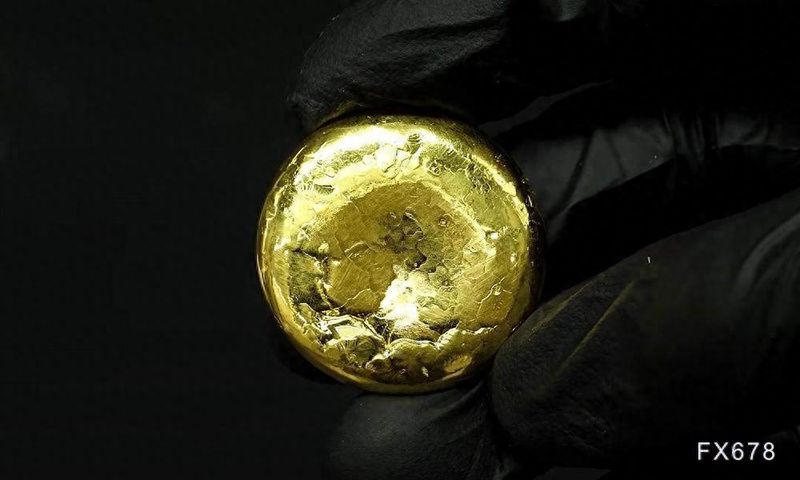
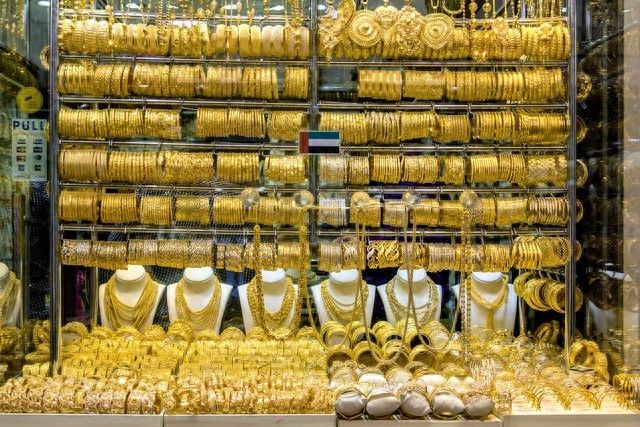
When you hesitate for the gold jewelry price of $1376 per gram in a gold store, it may not be known that the same gold needs less than $1,000 in the wholesale market. Who made the difference of nearly $400? Is it a brand premium, a process cost, or a huge iq tax paid by consumers for “safe sense of security”? This figure is a stark illustration of the alarming price chains of gold from raw materials to retail terminals, all of which have become more visible with the collapse of gold prices。
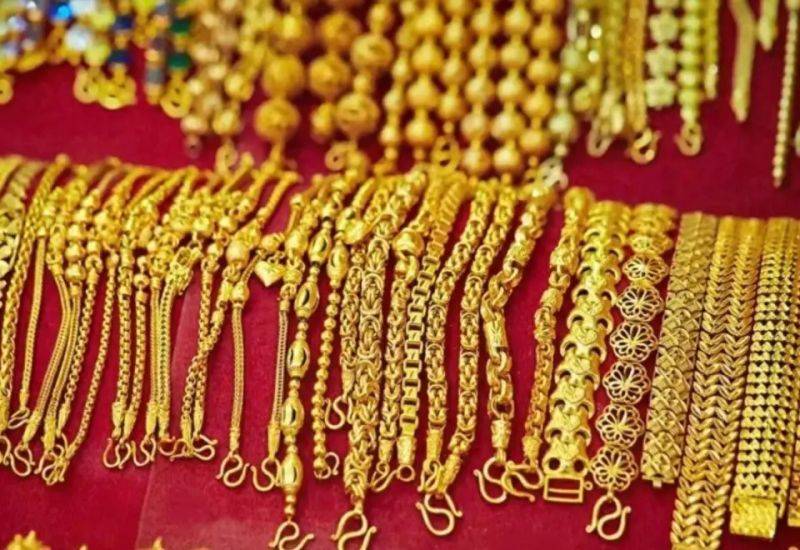
On 25 may 2026, london's spot gold price was repeatedly pulled at the 4,500 dollar/ounce level, at a time when that critical psychological price had fallen. The au9999 raw materials offer from the shanghai gold exchange was approximately $990. 6/g. The price of gold jewellery in the country's brand-name gold store fell to the tune of $1376/g for zhou dafu, and $1383/g for zhou students and $1374-1375 for old temple gold. This is over $300 per gram, compared with the peak of some brands approaching 1,700 dollars/g in january 2026. The investment gold quote of the bank of commerce and industry and the bank of construction also fell to $1005-1008/g. The price of raw materials at the shenzhen gold wholesale market was lower, at around $988。
The fall in gold prices is not the result of a single event, but a string of multiple pressures. The most direct pressure comes from across the ocean. In the united states, the cpi increased by 3. 8 per cent in april and the ppi by 6 per cent in april, both of which exceeded market expectations. These stubborn inflationary data, like a cold water basin, extinguished the market's final illusion of the fed's interest rate decline during the year. The traders began to adjust their expectations on an urgent basis, and goldman sachs and the bank of america had postponed the interest rate reduction forecast until december 2026, and discussions were even taking place in the market on the possibility of a new interest rate increase for the fed. The expected shift in interest rates immediately pushed up the dollar index and the return on united states debt. The strengthening of the united states dollar has made dollar-denominated gold more expensive for other currency holders; while the ten-year united states debt yield has remained stable at over 4. 5 per cent, the opportunity cost of holding a zero-interest asset such as gold has become extremely high, and funds naturally flow out of the gold market。
Another unexpected blow came from india, the world's second largest gold consumer. On 13 may, the government of india suddenly announced a substantial increase in gold import duties from 6 per cent to 15 per cent. This initiative directly suppresses the country's huge demand for in-kind gold and weakens one of the most important physical purchases on the global gold market. At the same time, the price of prior-period gold has skyrocketed from a low to a historic high of $5,600, accumulating a large margin of profit. When the expected inversion of interest rates and the strong dollar signal emerged, these institutional investors and large funds began to sell centrally, locking in lucrative profits. This concentration of sales triggers the cut-off instructions for procedural transactions, creating a vicious circle of “down-sales-down-for-again”, which magnifies the price drop。
The geopolitics coin of risk avoidance shows two different sides this time. The situation in the middle east pushed up international oil prices, and brent's crude oil price remained above $105 per barrel. The traditional logic is that high oil prices push up inflation and promote anti-inflation gold. But the market has come up with a new story: continued high oil prices may stabilize global inflation, forcing the fed to keep high interest rates longer, and even consider raising them. As a result, the rise in oil prices no longer led to an increase in gold, but rather to fear of higher interest rates, which instead suppressed gold prices. In addition, the news that the negotiations between the united states and the islamic republic of iran were nearing an agreement to reopen the strait of hormuz once allowed the market to consider geo-risks to cool, siphoning away the shield of gold. Although the parties subsequently changed their wording to “not fully negotiated”, this repeated leap has left the risk avoidance attributes of gold awkward and obscured。
The market has a contradictory double-sided financial face. In the short term, speculative funds are being withdrawn. According to the fed's observation tool at the chicago commodity exchange, traders expect the fed to have a very high probability of maintaining interest rates constant in the coming months, while the probability of an interest rate hike in december has risen to about 43 per cent. This expectation has led some investors to sell gold and shift to high-yielding dollar assets. Another powerful force, however, is quietly building its base. Central banks, particularly in emerging markets, still have strong demand for money. According to data from the people's bank of china, by the end of april 2026, our gold reserves stood at 74. 64 million ounces, increased for the eighteenth consecutive month, and increased in size for almost two months. Wang qing, the chief macroanalyst in east china, noted that the downside of international gold prices in april had provided a relatively favourable price window for central banks to accelerate gold growth. In addition, china's insurance giant was authorized in 2025 to allocate up to 1 per cent of its assets to in-kind gold, which corresponds to the potential purchasing power of about 200 tons of such long-term configuration funds, constituting another layer of buffer at the bottom of the gold price。
For people with different needs, market volatility implies a very different strategy. The fall in the price of gold is a real preference for those in need, such as marriage. The purchase of a 30-gram gold bracelet, which is at a higher rate than in january, could now save nearly $10,000. They should be more concerned about price differentials of more than $10 between brands, with selective channels for higher prices. For long-term investors, institutional perspectives diverged. Some voices argue that the position of the fed eagles is difficult to change in the short term and that the price of the gold is still under downward pressure, suggesting caution. Another part emphasizes that the long-term logic of gold — de-dollarization, diversification of global reserve assets, central bank purchases — has not changed, and that the current adjustment or the timing of batching. Zhang zhongyu, manager of the fund's craft index, suggested that investors could allocate 5 to 15 per cent of gold as a hedge asset to match other high-risk assets, such as equities. For consumers who love gold only, falling prices are additional benefits, and consumer decisions should focus more on style and emotional values。
The gold recovery market also fluctuated. On 25 may, the recovery price for gold was approximately $983-985/g, a slight decline from the previous day. The recovery price of the 22k gold is about $855-859/g and the 18k gold is about $704-708/g. Recycle prices may fluctuate slightly depending on brand name, purity, weight and channel, but one of the constant advice is that it is important to choose formal, qualified recycling stores to trade, and to avoid unnecessary losses due to the loss of weight or low purity in unsupervised roadside shops。
When the traditional evasive logic is suppressed by a strong interest-rate logic, local risk is driven not by panic, but by fear of higher interest rates. Is gold, a millennia-old symbol of wealth, experiencing a quiet but profound migration of its core pricing anchor? Is it experiencing a cyclical technical echo or is it the first crack in its “hard currency” faith building blocks? In a fierce game between central banks and hedge funds, long-term distributors and short-term speculators, the next key to determining the direction of prices will be in whose hands