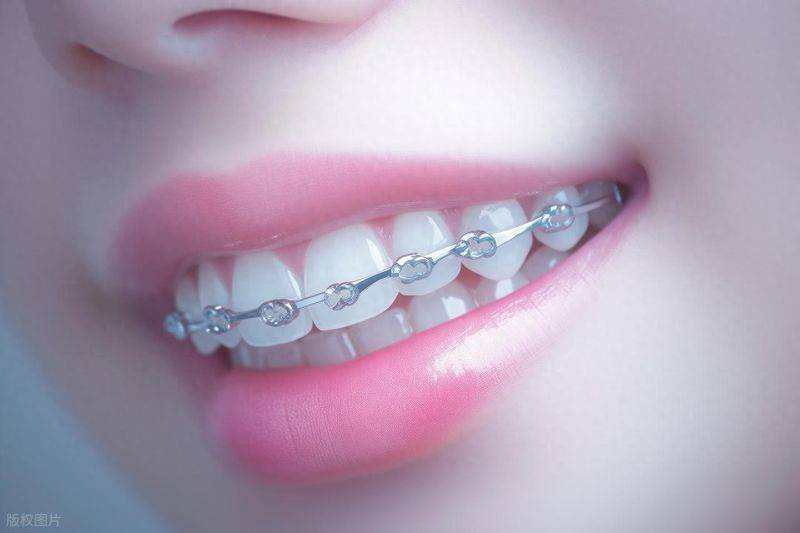
Teeth correction has become a growing choice, both in terms of improving the bite function, protecting oral health and improving facial beauty. In 2026, the industry was accelerating its transition to digital precision treatment, but the multiplicity of problems in the market remained prominent, with low-priced inflows, over-treatment and the falsification of medical qualifications. Many newcomers, owing to lack of expertise, not only spend their money in vain, but may also suffer irreversible consequences, such as failure to correct and injury to their teeth. Today's pure science guide will help you make rational decisions by removing the selection criteria for dental correction and the main points of pit avoidance from the four core dimensions of institutions, doctors, dentists and fees。
I. Those depositions: qualifications are the bottom line line
The choice of formal institutions is the first line of defence to guarantee corrective security. Industry research shows that more than 60 per cent of the tooth-correction disputes stem from under-qualified or over-scaled operations. In 2026, the country's oral industry was continuously upgraded, with a focus on combating the lack of qualifications for orthodox, false propaganda and so forth, and many small clinics, which are dependent on low prices, have been shut down。
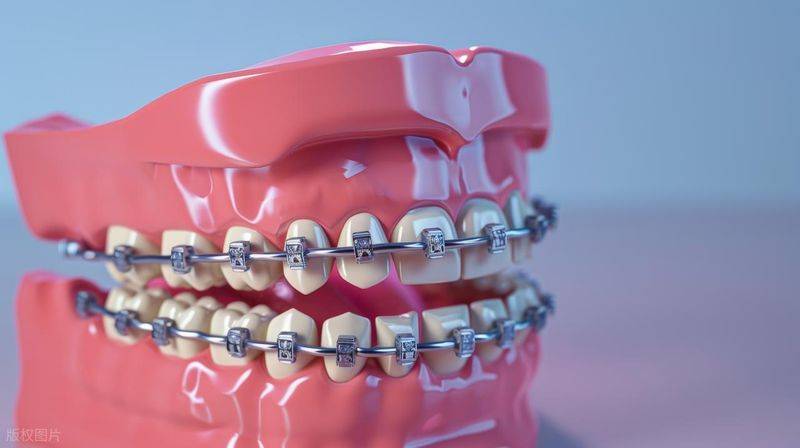
Formal dental correction institutions must meet two mandatory conditions:
1. Possession of a licence to practice in a medical institution for a period of time, and the subject of medical treatment is clearly marked as "orthodox" rather than merely "oral internal medicine" or "dental beauty"
2. Recording information is available on the nhs commissioner's website and the address of the practice is exactly the same as the actual business address
There is no need for blindness in the choice of public and private institutions. The rules of treatment and fees are transparent in public institutions, but there are widespread problems of long queues, difficulty in rehearsing and general experience of services; formal private institutions are easily booked and well served, subject to careful scrutiny of reputations and strengths. Priority is given to institutions with a stable team of doctors for more than five years, avoiding frequent changes in legal persons or business addresses in the near future and preventing interruptions in the process of correction。
Ii. Selection of dental orthotics: technical level to determine final effect
The effect of the dental correction is 90% depending on the doctor's skills and experience, and the braces are just aids. The current industry-wide "segregated experts, start-ups" approach is still common, with three-academic specialists promoted by many agencies taking occasional consultations and actual treatment being done by newly graduated assistants, which is one of the main reasons for corrective failure。
Three core standards for doctors based on correctness:
1. Dual certification and professional matching: medical certificate and medical practice certificate, with a clear scope of practice as "profession of oral orthopedics" rather than general dentists
2. Sufficient clinical experience: more than 5 years of orthodox clinical work, cumulative completion of more than 500 corrective cases, experience in handling complex cases
3. The objective profession of communication: not exaggerating effects, concealing risks and proactively informing about possible complications and limitations
Point points for pit avoidance: the doctor's certificate of practice must be checked during the interview, and the contract must be written " whether you will handle the whole of the journey " ; a case similar to your teeth and face must be checked and not misled by the star case。
Iii. Teeth orthodontics type: best suited to oneself
Many people are blindly pursuing high price invisibility while ignoring their own teeth. In 2026, the dominant toothbrush technology was relatively mature, with different types of excellence, no absolute "best" but "best fit"。
Teeth type
National average price range, 2026
Core strengths
Population applicable
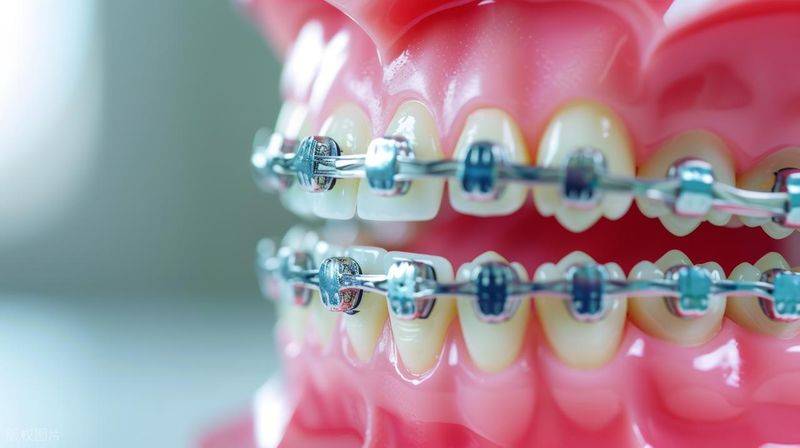
Traditional metal troughs
$600-12000
Best value for money, fit for all cases
Population with limited budget, complex dental malformations
Metal lock tray
8000-18000 yuan
Remedial speed and comfort
Students for efficiency, workmen
Ceramic semi-invisible slots
12,000 - 25,000 yuan
It's beautiful. It's strong
People with a certain image
Invisibility correction
15,000-35,000 dollars
It's nice and cozy
People with moderate, self-regulating deformities
Import invisible correction
$25,000-$50,000
Technically mature, complex cases fit well
Adequate budget, business people
Invisibility correction of tongue
3000-60000 yuan
Full invisibility, rectification
Special occupational groups with high standards of beauty
Point points for pit avoidance: complex cases such as severe osteomorphosis and congested teeth, with priority given to metal tort correction, which is more effective; invisible correction requires more than 22 hours per day, and the self-regulatory population does not recommend the choice。
Iv. Costs of those corrections: warning the corrective transfer trules
"9999 invisible rectification package" "4999 metal rectification" is the most common mode of diversion in the market. These low-cost packages are usually free of costs such as tooth extraction, bone nails, maintenance, re-diagnostics, etc., and may ultimately cost two to three times as much. In 2026, the collection of aberrant materials was piloted in several provinces and prices of some of the materials decreased, but too low prices still require vigilance。
Three principles of cost avoidance:
1. Require agencies to provide a detailed list of written costs, clearly identifying all items including items and additional charges
2. All oral commitments must be included in the medical contract, including treatment cycle, cost breakdown, effectiveness assurance and after-sale terms
3. Beware of the marketing trap of "zero down payment, zero interest-free" and carefully read loan contracts to avoid falling into usury
General pit shelter guide for dental correction
1. Rejection of rapid corrective propaganda: the transfer of teeth has a fixed physiology cycle, with normal adult correction cycles of 12-24 months and "7 days of order" 1 month correction, contrary to scientific norms, leading to the absorption of teeth and loose teeth
2. Pre-operative comprehensive examination: the formal process must include a panorama, a side plate, a cbct mouth ct, a digital mouth-sweep, etc., and a doctor who does not check out the programme is not credible
3. Do not blindly pursue unplugged orthotics: tooth extraction decisions need to be based on a combination of multidimensional data, and blindness can lead to pre-dentures and dentures
4. Emphasis on post-operative maintenance: need to wear a maintenance device after correction for 1-2 years, and failure to wear it can easily lead to a return of teeth
5. Maintaining all medical records: inspection reports, programme design, cost lists, contracts, etc. Are important advocacy evidence
Summary of selection recommendations
To correct the teeth, remember this simple decision-making process: three-to-five formal institutions are first screened through the national health and safety commission's network, followed by separate appointments, comparing the programme design, technical level and offers of different doctors, and finally choosing the most suitable option, taking into account their dental situation, budget and aesthetic needs. Teeth correction is a long-term process, and it takes time to do the homework to achieve the desired results。
If you have any other questions about dental correction, please leave a message in the comment area and i'll answer them for you。
♪ teeth correction ♪