Beginning on 1 april 2026, the country's new energy vehicle owners have embarked on a policy of maximum cost reduction. The interim scheme for the management of the recycle of new energy automobile powered batteries, published jointly by six ministries, officially landed, with only one thing at its core: the imposition of a technological monopoly on third-power maintenance。

The difference between xinjiang and the north: an article to show you the beauty and uniqueness of the two places
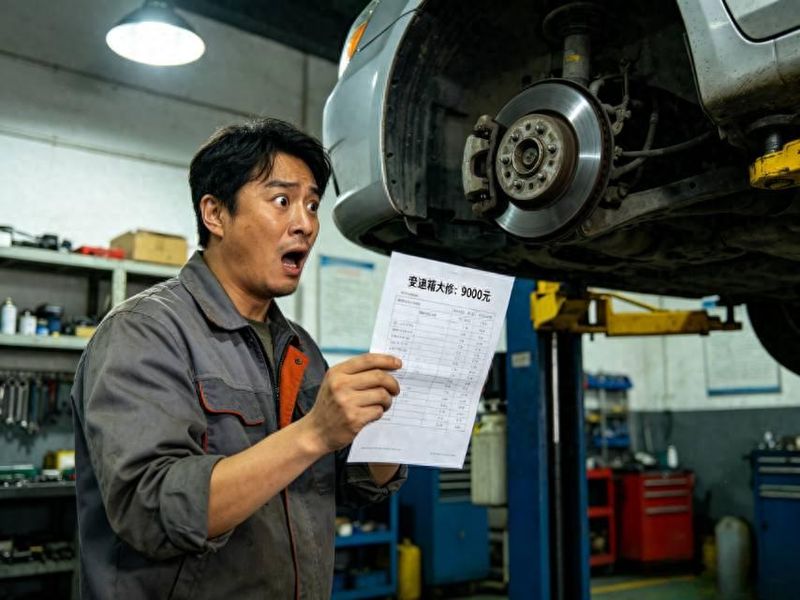
Over the years, batteries, electric appliances and electrical control systems have been severely blocked by companies, third-party repair plants have no diagnostic authorization, no maintenance manual, no lock-out agreement, and the owner of the vehicle has had problems with the third power plant and has had to go to 4s to receive high-cost maintenance, “in exchange for replacement, minor medical repairs” becoming the norm in the industry。
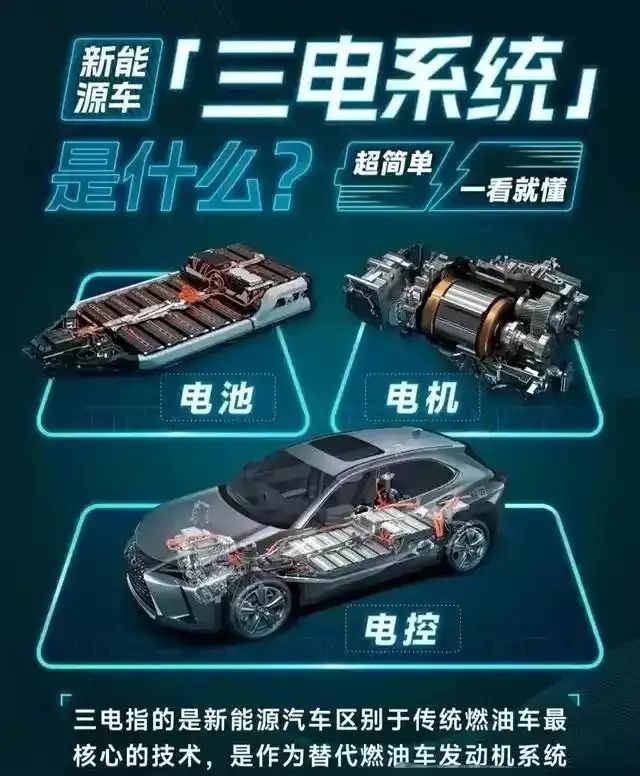
The new regulations specify that:
Companies must open diagnostic data from the three power systems to compliance third-party maintenance agencies, maintenance manuals, spare parts channels, software privileges
(a) a general ban on “replacement only” and maintenance must be based on the principle of reparability and minimum maintenance units
Maintenance agencies are required to provide formal testing reports within 48 hours to identify failure points, maintenance programmes and charges
The owner chooses a third party for regular maintenance, without prejudice to the three electrical security of the vehicle as a whole。
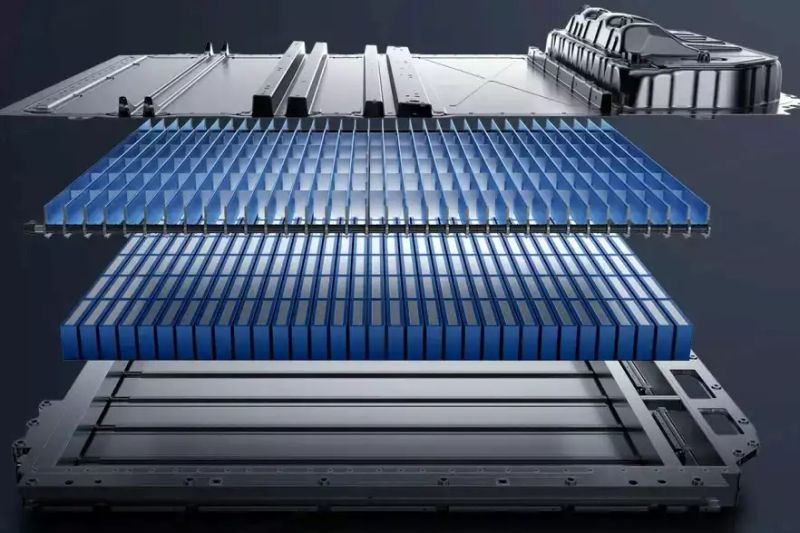
This means that common problems such as future battery module damage, core failure and temperature control system anomalies can be repaired separately without replacing the entire battery package directly. The industry estimates that the cost of repairing new energy vehicles will be reduced by 50 to 90 per cent once the policy is fully on the ground, and that the pain of “buying cars is easy to sustain” will be fully addressed。
How much for a container? A summary of 2026 prices
This is not only a restructuring of the maintenance industry, but also a thorough regulation of the entire post-new energy vehicle market, with consumers truly becoming the largest beneficiaries。