The excessive spread of thin aesthetic standards and of the new media age of “opinion leaders” to the culture of weight loss has gradually made weight loss a fashion, with “weight loss” being entered into search engines of various hot sites, often with the highest hits in the headings containing “fast weight loss” or “twixt weight loss” videos or articles. In this time of all things being efficient, it is certainly hoped that there will be a dramatic change in the shape of one's body in a short period of time, and that new means of loss of weight are being explored in medicine. It is estimated that approximately 1453,000 cases of lipid use are currently performed worldwide every year. However, whether lipid suction is a universally applicable diet should also be viewed more rationally. Experts have suggested that lipids are not suitable for simple obesity。
It's a mystery of fat
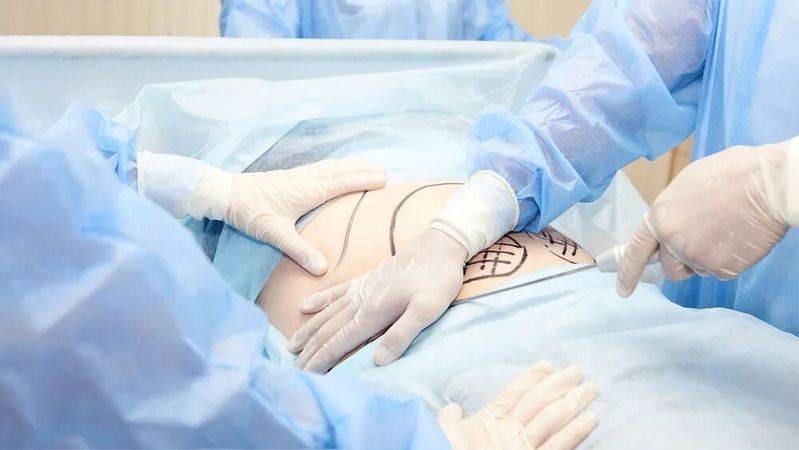
Insorption, i. E. Fat suction, can quickly remove fat cells from certain subcutaneous areas of the human body for the purpose of plastic or assistive treatment of diseases。
The main methods of fat smoking can be classified as: 1 swollen negative pressure lipids; 2 resonant lipids; 3 ultrasonic lipids; and 4 hydrodynamic lipids. In addition, electrofat suction, laser-aided fat suction, radio-frequency assisted fat suction, endoscopy assisted fat suction。
There is a general consistency in the principle of lipid use among different methods, which starts with some technology that dissolves fat cells without having an impact on the neurovascular structure, while maintaining a balance of body fluids, and then removes fat out of the body using specific suction devices, thereby minimizing the discomfort of the patient。
At present, as a result of the continuous development of the adhesive technique, its adaptation is expanding rapidly and has become an important assistive technique for improving other beauty surgery, including neck-forming, mammography reduction, abdominal wall-forming, arm-forming, leg-lifting and body profiling after weight loss。
It's not once and for all
The greatest advantage of lipid-sorting is that it is fast and the only way to actually reduce the number of fat cells in a human being, as compared to weight-cutting methods such as diet control and sports, even though many people believe that it is possible to achieve “permanent” weight-cutting。
However, fatting is not a once-in-a-lifetime loss. Studies have shown that, while women who undergo abdominal fat removal may experience significant body weight reduction and improvement in the bmi over a period of 1-2 months, the effect will disappear in the months (3-20 months) after the operation, and the removal of fat from the operation is likely to trigger feedback on the redistribution of fat and on the growth of retributive fats, especially the increase in the surrogacy of internal fats。
In addition, fat-sorting is merely the removal of redundant fat from humans and does not increase basic energy consumption, and many post-operative populations whose diet and habits remain unchanged can easily rebound。
The hazard of lipomy
While the development of fat-sorting has become a relatively safe subcutaneous operation, there are risks。
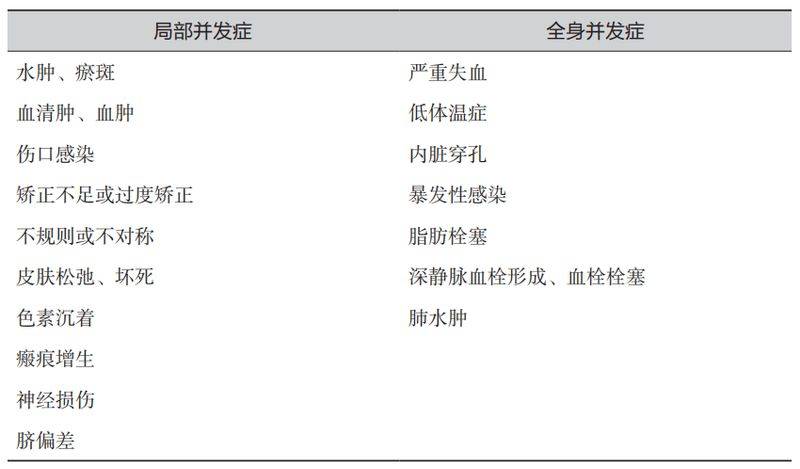
Statistics from abroad show that for every 47,415 operations, one patient died, or 0. 002 per cent. In addition to the 20 or so kinds of complications that may result from lipid smoking, the most common of which is physical inactivity, with an incidence of about 2. 7 per cent, the undisguised choice of lipid smoking is likely to lead to a lifetime of regret for those who give high priority to physical or deformed fear。
The five serious complications that can result in death from lipid-sorting are haematosis, fat embolism, pulmonary oedema, lidocaine poisoning and abdominal organs, with the highest mortality rates being haematosis。
In addition, although studies have reported that lipid-sorting can improve some degree of sugar metabolism and insulin sensitivity in humans by reducing the number of fat cells, physical activity is far more effective and safe than lipid-sorting and often pays off when complications arise。
Common complications of lipids
What do you need to be aware of
For patients with severe obesity (bmi > 30kg/m2) who have caused arthropod arthritis and other fat-related diseases (e. G. Fat edema, lymphatic malnutrition syndrome, multiple symmetric fatomas, insulin-induced fat malnutrition, etc.) and who have seriously affected the quality of life, fatsia may be a better cure by controlling diet and physical activity。
At this point, it is important to have experienced plastic surgeons conduct rigorous pre-operative assessments and examinations, in order to communicate, discuss and develop a comprehensive and detailed scheme of lipid use. The following should also be noted。
1. A small number of multiple suctions, normally not more than four parts at a time; in the absence of hospitalization, no more than 800 ml of fat at a time, while more than 1,000 ml of suction requires hospitalization。
2. Select a safe suction area with classic areas of chin, upper arm, abdominal belt, hip and thigh。
3. Attention to post-operative care and rehabilitation and the use of ballistic bandages and infrared physiotherapy。
4. Control of total dietary energy intake, supplementing proteins and balancing diets。
Post-operative motion to prevent abdominal fat accumulation。
6. It would be preferable for patients with developmental, menstruation and diabetes and hypertension not to opt for lipid。
In any case, it is not an appropriate method of weight reduction, which should be properly done by consulting doctors and nutritionists, with a balanced diet and proper exercise to achieve the objective of reducing weight without endangering health。