Sugar is on fire again, and this time it's worse than 10 years ago。
The mackenzie milk company is opening more than 1,000 stores nationwide this year, a figure that directly exceeds the total number of shops full of sweets and fresh potatoes that have operated for many years。
Even under the sea, there is a self-help sugar shop in the door shop, and new tea brands such as palae and tea are also selling sugar across the border。
It's a little unexpected。
After all, the first wave of sugar fell, largely because of the rise of new tea。
The logic behind the new tea is worth thinking。
Even more crucial is whether the heat of the wave is a flower or can make sugar the next consumer for all
How can new sugar be better than old brands
To figure out why sugar water is red, we need to see how the new sugar water brand is different from the old one。
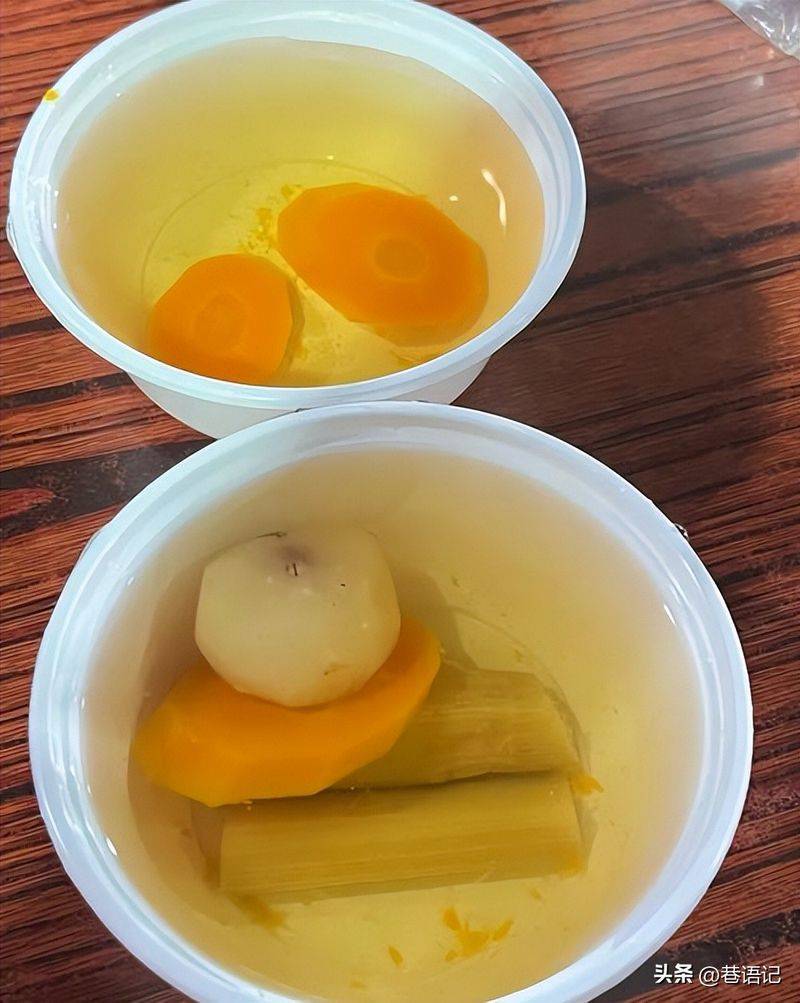
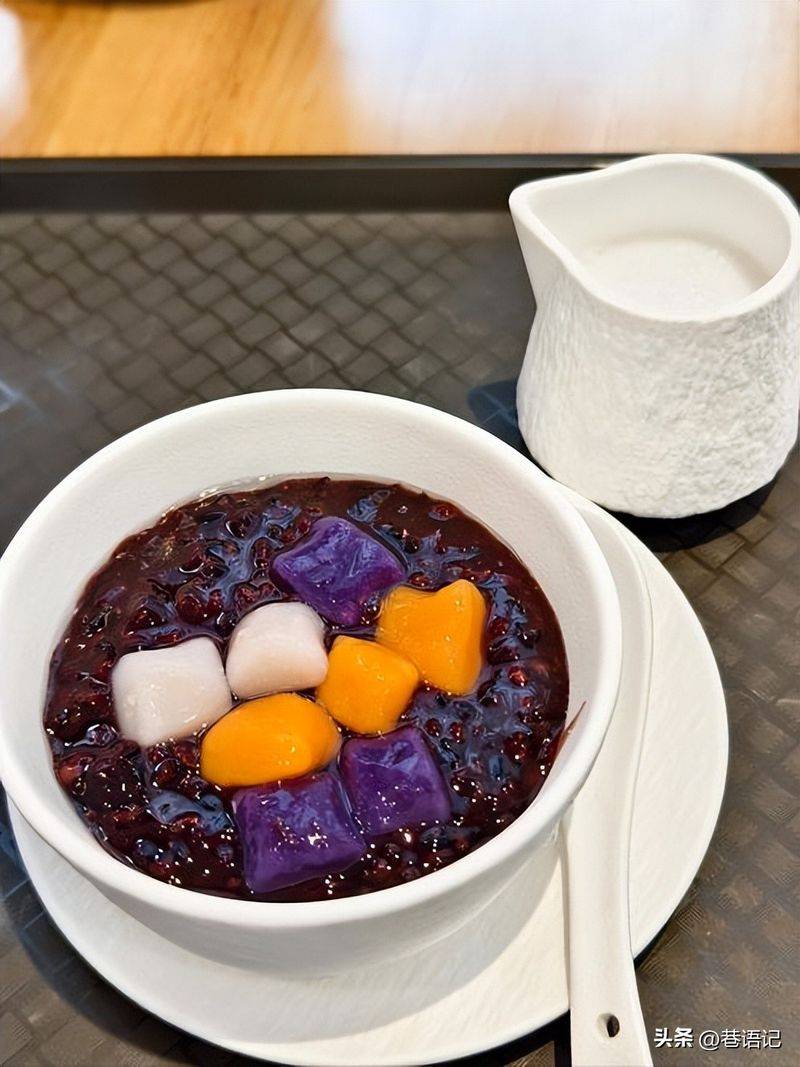
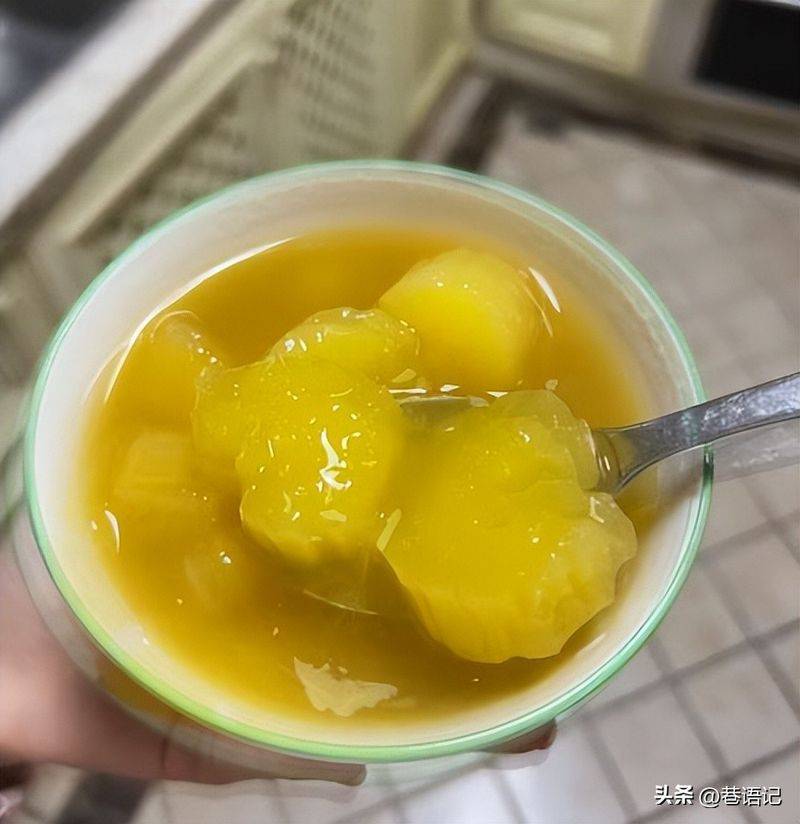
Formerly, the mangoes and taro rounds of foods, which were full of memories, followed the hong kong dessert route。
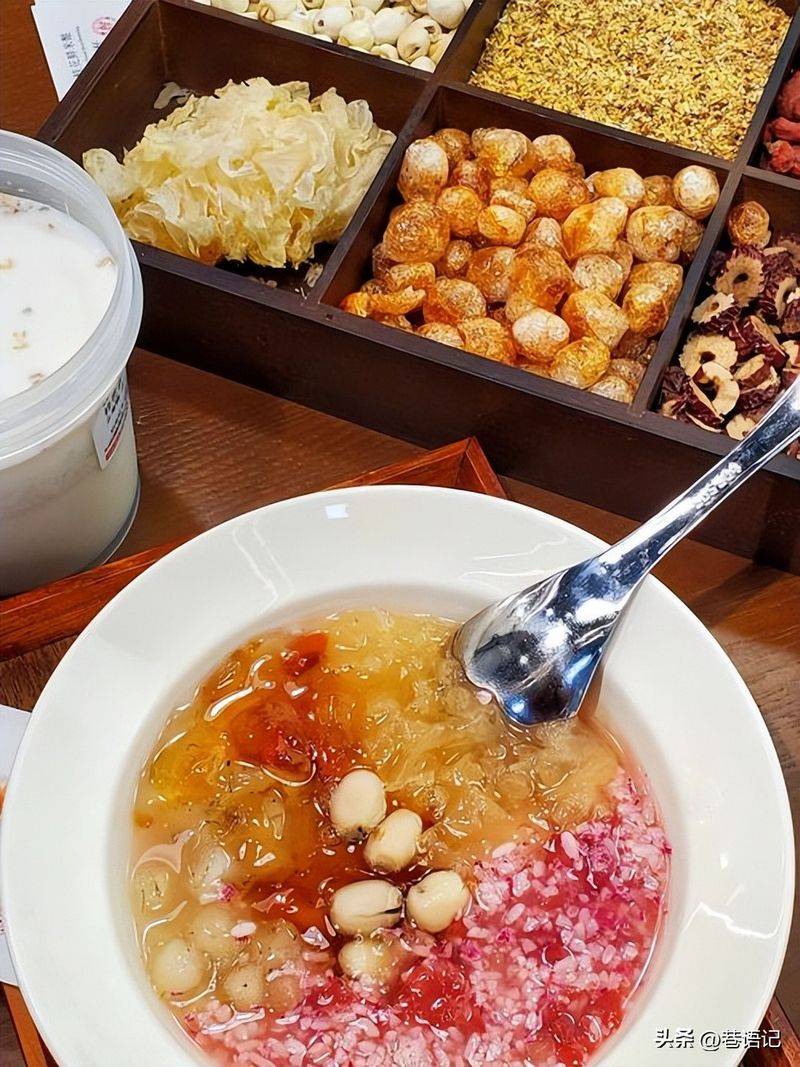
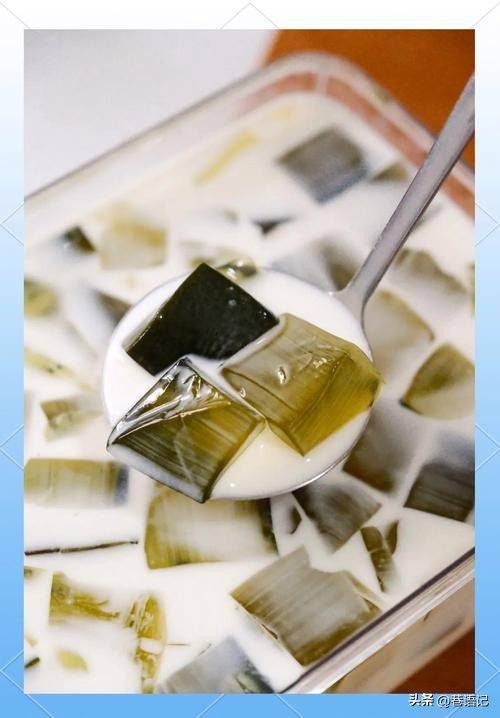
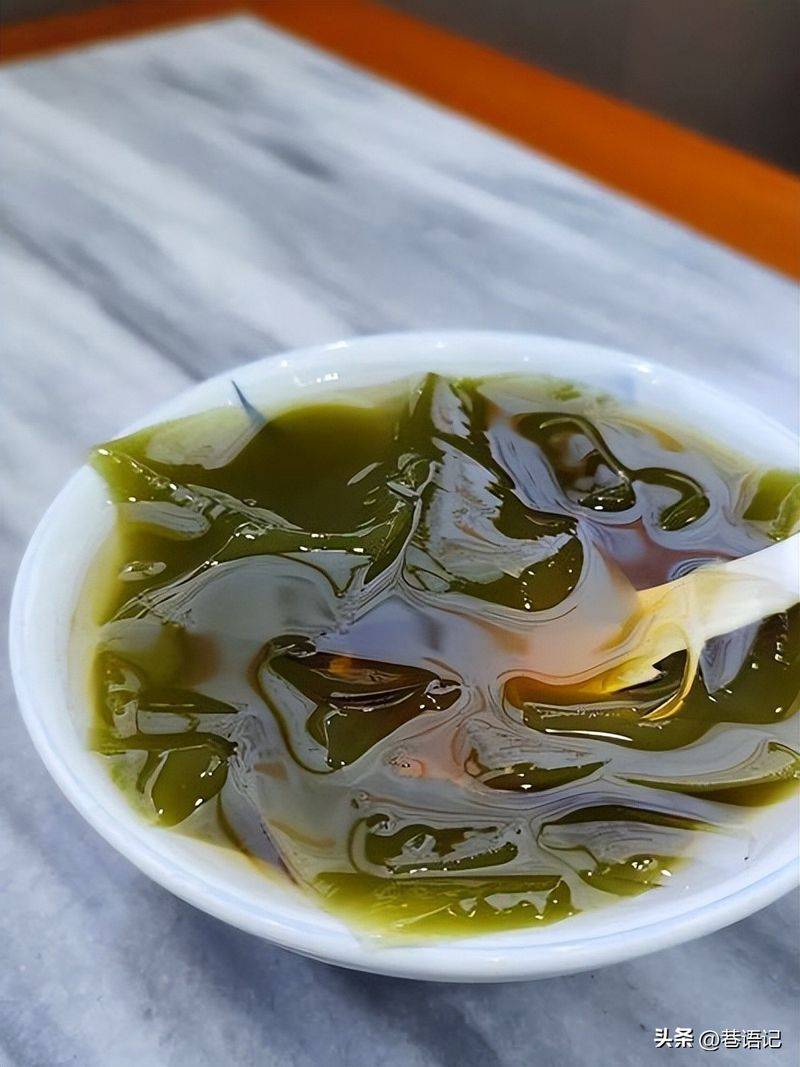
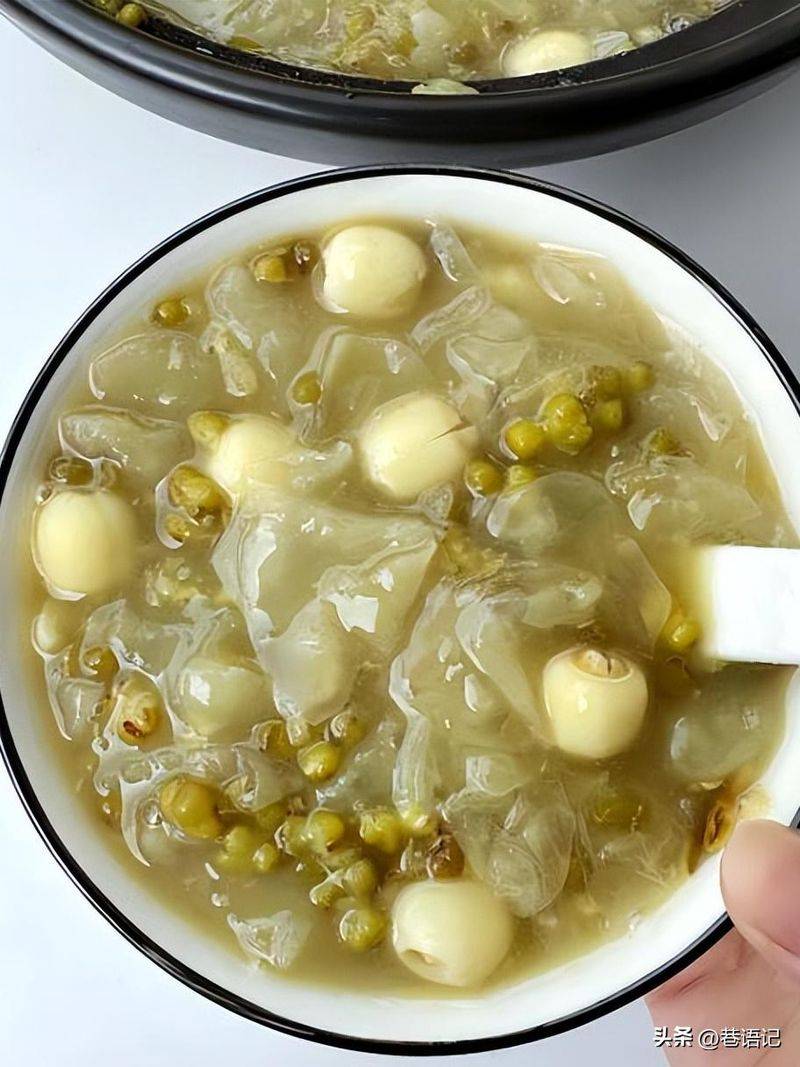
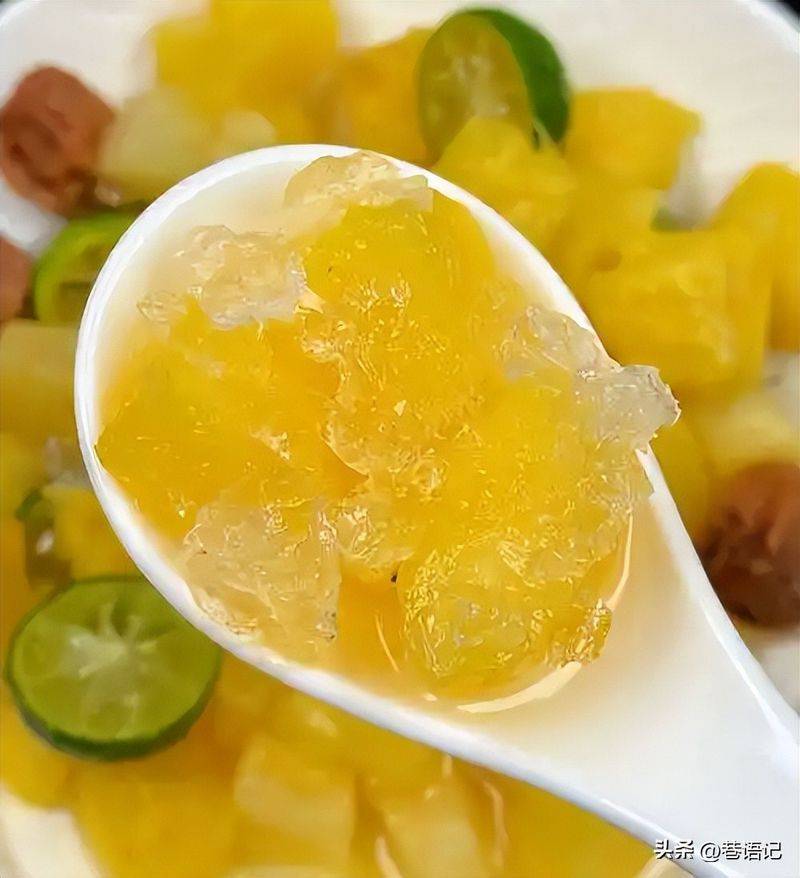
The new brand is different, with a single-coloured pomegranate, silver ears, sea stone, foods with nutrient properties。
It would have been thought that the new brand was merely a matter of heat, but it was later discovered that people had actually stepped on the market gap。
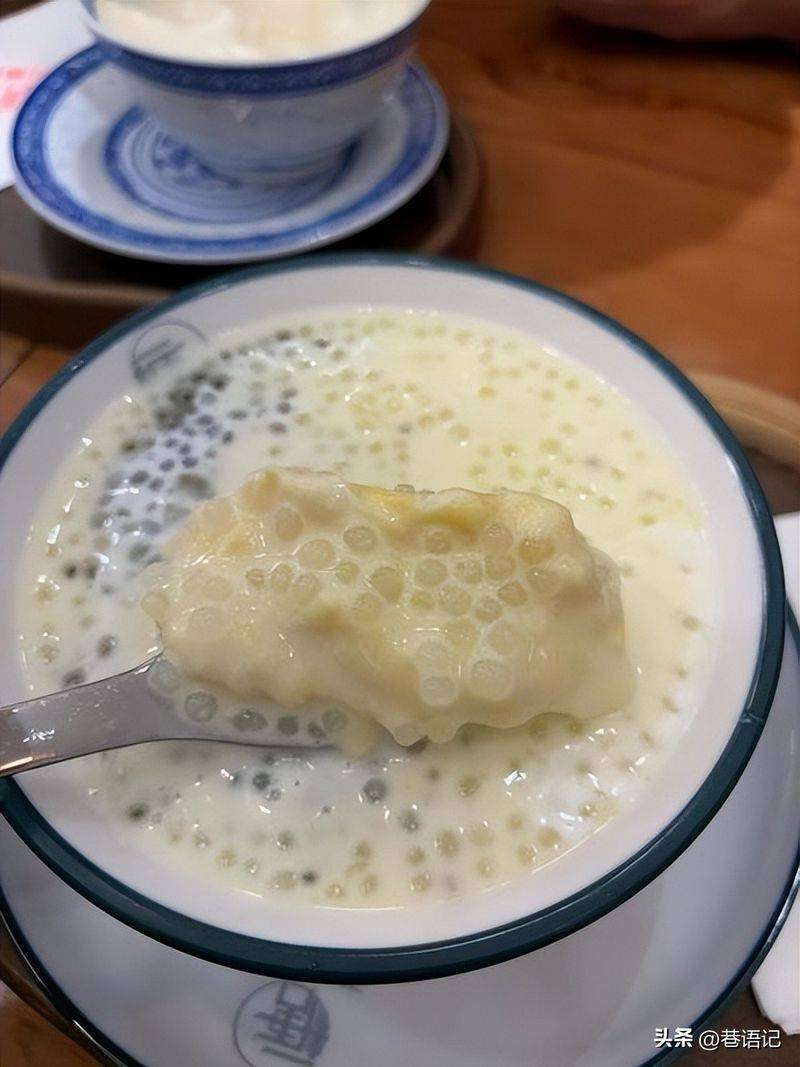
Consumers now increasingly value health, and the sweetness of traditional sugar water is no longer sufficient。
These natural foods that are used in the new brand coincide with the health demands。
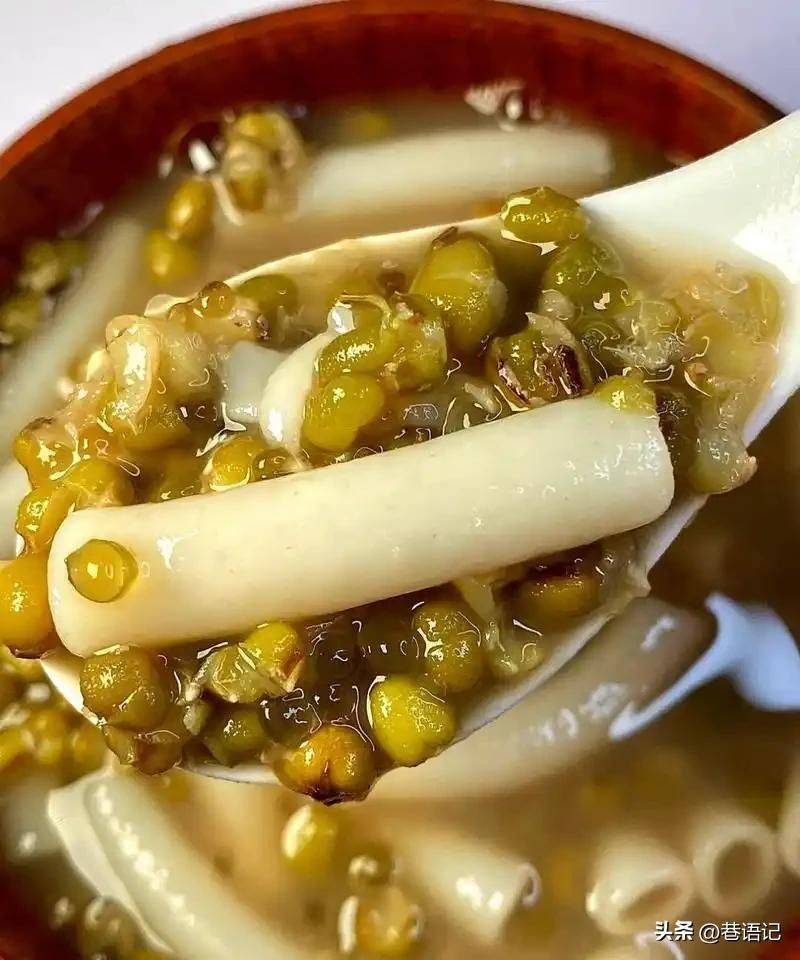
Moreover, most of these foods have geographical characteristics, such as the plaque of guangxi cassava, and the twilight of the sea stone, which is more fresh than traditional sugar。
In addition to products, model upgrading is also crucial。
Used to be a big shop with a large house full of fresh tacos, with high rent and operating costs。
The new brand is now full of out-of-home shops, such as the heart-in-heart shop, with a counter and a row of seats, suitable for outsider belts and takeout。
Mcqueen made sugar water directly using the idea of making tea, but the size of the store was tested。
This efficient model allows for rapid expansion of new brands。
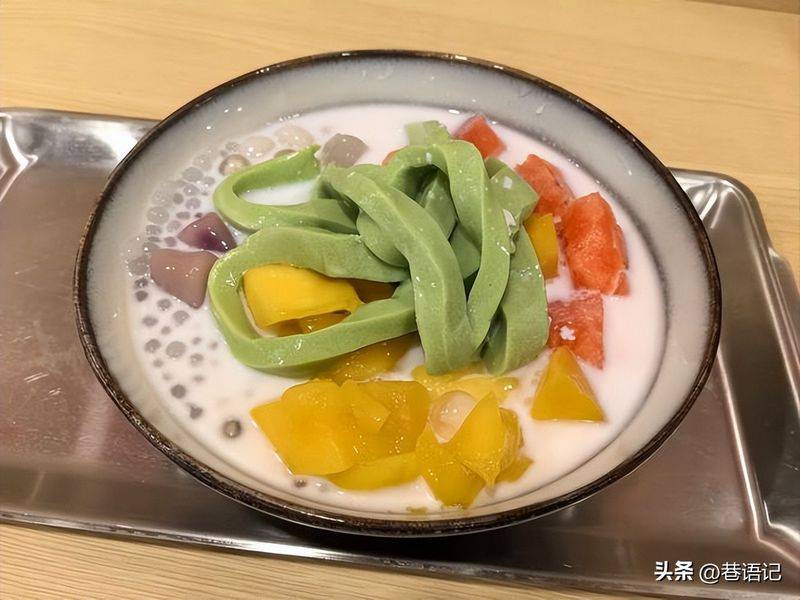
The impetus of the alliance cannot be ignored。
Mckul can start 100 stores a month, thanks to the mature business resources accumulated by his managing director。
These allies have been crawling around in the fast food and tea industries for many years and have made good judgements about their potential。
They're looking at the sugar-water track, and they're willing to follow it, which also updates mckee's business record。
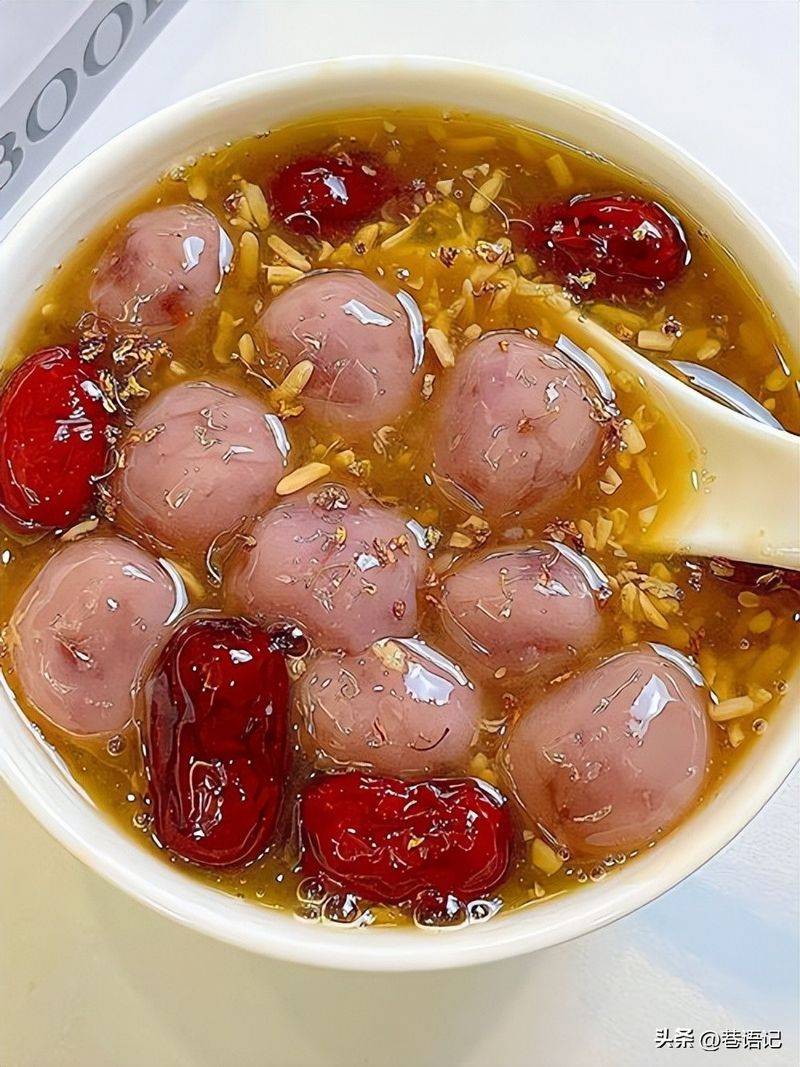
New tea to mess with. Help or opponent
The new tea brand's cross-border is an interesting phenomenon in this sugar fever。
The stewed series of sweet bowls, launched in november of this year, directly boosted performance in the first half of the month, with a marked boost to performance throughout the month。
More than 500 shops have been covered by the glucose shop, which is a lovely tea-sweet shop, and has opened in many large cities。
Why do new teas cross the border to make sugar? Simple, the new teas are too competitive now。
The product is not as popular as tea, the fresh fruit supply chain can't dry up, and the value of sex can't match that of mele ice city, and there's no road to just tea and drink。
Sugar is a new hope。
And sugar is not a high threshold for new tea brands。
A large part of the small, base-floors commonly used for tea use can be used directly in sugar water, and the cost of adequate supply chains is low。
More importantly, the new sugar and water brand has run out of delivery patterns, amounting to testing which sugar and water products are suitable for sale。
For the new tea brand, which itself has extensive experience of marketing operations, the entry track can be considered logical. But it's not necessarily a good thing for a professional sugar and water brand。
The new tea brand has a stronger supply chain and channel capacity and is likely to dig up the next popular boom in sugar water, as it did in the same year when yang twig was transformed from sweet to tea-beverage。
Thus, the growth space of the sugar-water track may be squeezed by these cross-border players。
How long will the heat last? How will the players end up
Now, the sugar-water track looks hot, but calmly, the limits of this type are quite obvious。
First of all, there are limits to the consumption scene: sugar water must be eaten with bowls and spoons, it can't take it with one hand like milk tea, and it's not easy to go shopping and work with a drink。
This leads to frequent consumption of sugar water, which is far short of the new tea。
Geographical penetration is also a challenge, as sugar water consumption habits have been concentrated in the south, where markets need long-term market education to open。
Moreover, the price of sugar is mostly in the range of $20 to $35, higher than the core price belt of the new tea。
Consumers can buy a cup of milk tea at $10, double the cost of a bowl of sugar water, and the repurchase rate will naturally be affected。
More importantly, there's a plate-wheeling pattern in the catering industry。
At times, new star groups appear, and these years are popular because of the taste of the consumer。
This heat is usually maintained for a period of one to three years, after which market attention is diverted。
Sugar water, as a sub-category lacking craving properties, may not escape the spell。
Faced with these problems, the head brands are starting to crack。
Mak added tea products such as fresh cow milk tea and hand-to-hand lemon tea, which now contribute 20 per cent of sales。
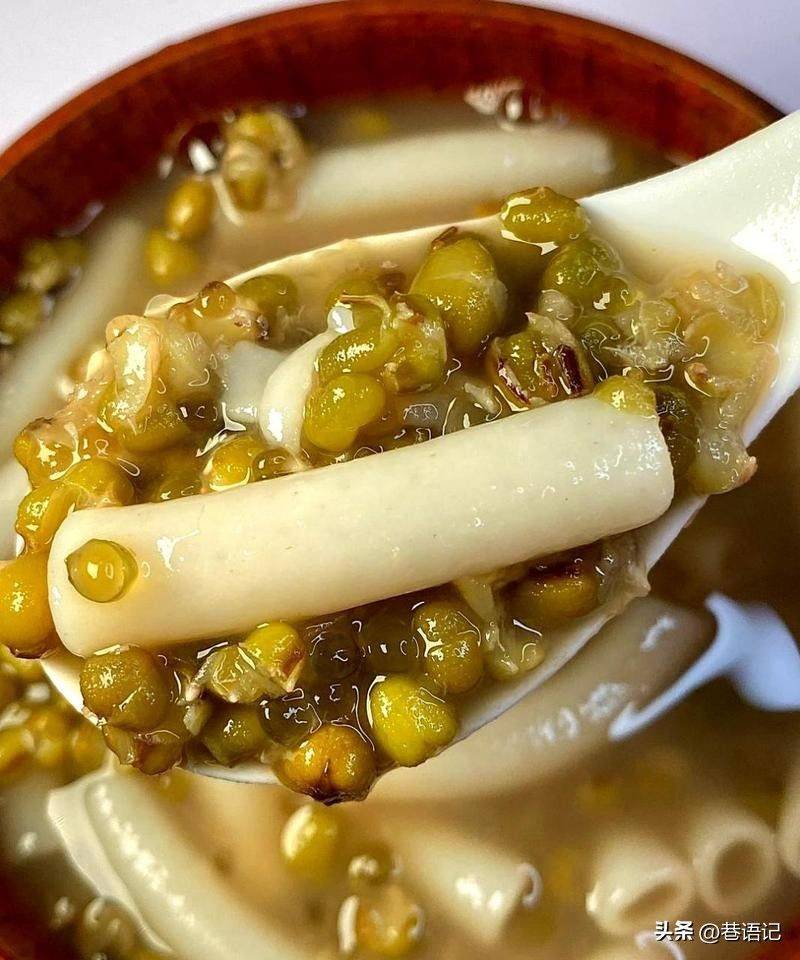
The zhao tradition began with the sale of pasta and fish eggs and the introduction of sweets to smoke yang twigs。
It is clear that these brands seek to widen the consumer landscape and break down product constraints through product consolidation。
After all, it is inevitable that the sugar-water track will become a windfall, but the time window is critical。
For entrepreneurs and allies, it is not the centenary that matters now, but rather the current window period, where market shares can be seized and brand recognition built through scalding。
In the catering sector, efficiency is sometimes the most competitive。
It's hard to tell how long the fever will last。
But it is certain that as new tea brands enter the game and more players join, the competition for sugar and water tracks will increase。
What eventually remains must be brands that capture consumer demand and adapt to industry cycles。

Supporting the author, writing hard. If you like my article, you can order a "watch" and receive it first。