Introduction
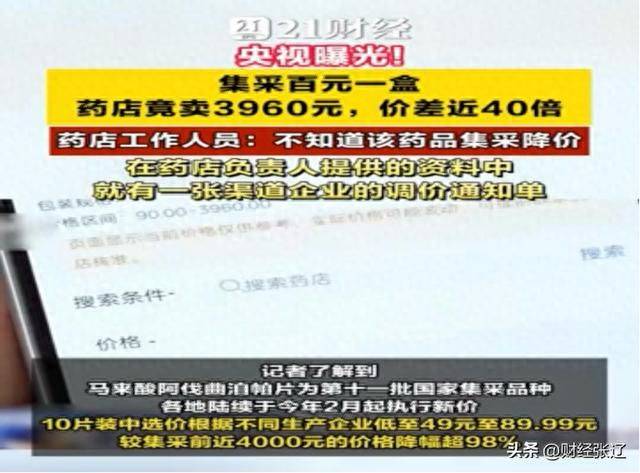
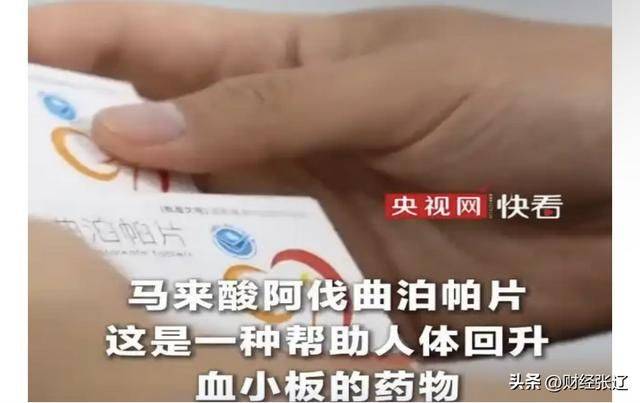
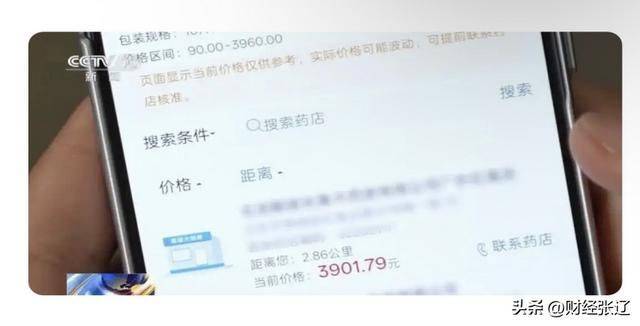
The purpose of the national drug collection policy was to significantly reduce the price of medicines and to enable the population to use high-quality and affordable life-saving drugs. A recent incident that has been brought to light has reduced the success of this popular policy and generated widespread public attention and debate. A drug known as the malet acid afalapa film, which has been “cut” to within a hundred yuan after being collected by the state, was sold at a high price of $3960 at a health-care point pharmacy in ho hott. This difference, nearly 40 times the price, not only exposes the image of the drug retail terminal, but also adds to the distress of the families of patients who are anxious to use it。
Text
The incident originated from the landing of the eleventh national drug collection. Maletate aphrodisiac as a life-saving drug for patients suffering from slab reduction, sold close to $4,000 per box prior to collection, with regular patients suffering from chronic stress. The price of the drug has fallen by more than 98 per cent and the maximum price has been kept at 89. 99 dollars, and in some areas it is even as low as 49. This was a tangible benefit from the state to the patients, while the pharmacy hoop and hott, in actual sales, still maintained the price of nearly $4,000 before the collection, despite the reality of the policy。
In response to queries from journalists, the shopkeeper claimed that he had not received a notice of price adjustment and tried to delay the transmission of information by putting responsibility behind him. Official pricing documents were issued as early as march this year, with a flat price of $89. 99. This argument, which appears to be incompetent in the face of the facts, has even led to the suspicion that it is a deliberate slaughter carried out by the merchants, using a spirit of ignorance of the policy and the urgent need for medicine on the part of the patient and his family. In subsequent investigations, journalists found that most of the pharmacies and on-line platforms in other parts of the country had implemented new prices of around $100, with the sole aim of converting the benefits of the reduced prices into their own windfall。
An in-depth analysis of the phenomenon reveals many problems behind it. Most patients, especially in the middle and senior age groups, often lack access to and awareness of the price of drug collection, and are used to buying drugs in the near future when they fall ill, giving bad traders the opportunity to profit from poor information. Alternatively, some pharmacies build up high-priced stocks before prices are reduced, deliberately delaying price increases and transferring costs to consumers in order to transfer the risk of loss. Despite this, there is a lag at the regulatory level, and the lack of real-time price monitoring mechanisms for retail terminals has led to the easy use of “noticeless” by businesses as a shield from rapid regulatory verification。
The harm of this high-priced sale is far more than spending thousands of dollars on consumers. It is a direct drain on the confidence of the population in the state's policy of crowd-taking and has resulted in the retention of welfare dividends at “last kilometre”. Even so, it can lead to “defunct currency to expel money” and to poor profits from drug-sellers who follow the rules and sell drugs at a low price, while pharmacies that sell drugs at a high price earn more than enough, disrupting the normality of the entire pharmaceutical market. Health insurance funds may also be exposed to the risk of disguised loss as a result of high prices sold in fixed pharmacies, thereby undermining the public interest。
In order to avoid falling into such a trap, it is important for consumers to check the price of the collected bid through channels such as the health and safety service, before buying high-cost medicines. For exceptionally expensive medicines, rather than being bought blindly, a comparison may be made between several pharmacies or formal online platforms. Once price fraud has been detected, it is important to keep shopping tickets and medical kits and to make a decisive complaint to the market regulator or the health insurance board in defence of their legitimate interests。
Concluding remarks
The incident of ho hoop and hott, which is now being dealt with by a dedicated working group of the local authorities, returned the price difference and was interviewed. Simple case-by-case processing is difficult to overcome, and regulatory gaps must be closed at the institutional level to ensure that aggregate prices are strictly enforced at retail terminals. Every penny of the patient's medicine is for life, and no merchant will be allowed to drill into the bushes and wool. Only by closing the “last mile” of the policy, and severely punishing the violations, will it be possible to truly reach millions of families with the dividends of collection, in keeping with the goodwill and expectations of the state policy。