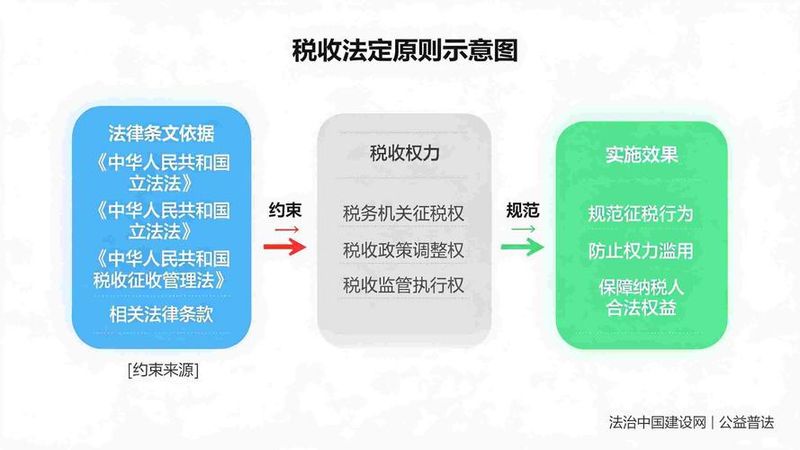
Only transfers generate taxes and fees, and the transfer of corporate housing to individuals is a second-hand transfer, taxed on the sale of immovable property. It consists mainly of tax stamp duties and corporate income tax, which are payable at the rate applicable to transactions. The company income tax is equal to 25 per cent of the sale price of the housing transfer less the original housing value less the reasonable cost. Information can be obtained from the local government hall。
What about the taxes on buying and selling houses
1. Taxes, first or second flats vary according to the size of the dwelling and the amount paid varies。
2. The housing maintenance fund, the developer or the property company may deposit the house in its own right after opening an account in a bank designated by the local housing authority. In general, when the buyer obtains the keys, the developer collects funds for the maintenance of the house。
3. In the case of mortgage loans, the second group of costs to be paid at the time the contract was signed is bank mortgage costs, commercial loan charges, and there are minor differences between banks。
Stamp duty, usually paid in conjunction with down payment, to facilitate the development of a uniform contract registration and property certificate。
5. Property management fees are calculated from the date of receipt of the house and from the date of acceptance of the dwelling by the purchaser. Property management costs may be calculated one month after the issuance of the occupancy letter if the buyer does not take over the building without proper justification after the developers issue the entry notice. Usually three months first。
6. Individual income tax is levied on the condition that a non-family dwelling is sold as a family unit。
Who pays taxes on buying and selling houses?
1. Taxes on buying and selling housing, the state specifies the respective cost rates to be borne by both buyers and sellers, which are clearly identifiable, and the purchasers bear their own transaction taxes, and the sellers bear their own taxes on the proceeds of the sale。
Under the relevant state authorities, personal income tax, turnover tax and land value-added tax, and education surcharges are paid by the seller, both of which are generated by the sale of the house, and the seller is the recipient, so that it is reasonable for the seller to pay these taxes. The larger proportion of these taxes and fees, however, has become an important criterion for seller pricing。
3. The question of who pays the taxes and fees is, in fact, not justified in principle by the express provision of the state that it is exclusively paid by the buyer. In practice, however, taxes and fees are linked to house prices, which may be higher if sellers pay taxes, and lower if buyers pay taxes. The agreement in the contract on who pays the tax is in accordance with the principle of civil law autonomy, and from that perspective it is reasonable for the buyer to pay the tax。