In 2026, this heat in the building market came out of the front-line core. Guangzhou's second-hand and second-hand rooms in shanghai, beijing and shenzhen are on the rise
Why is it back on the stage
The answer is not in the mood, in the deal. In guangzhou, where the new house ring had increased by two months in the north, the window paper had been smashed and the red had been turned. The real hit was not all the houses, but the good stuff from the core plates of tianhe, nanshan and tsui seok, with an 8 to 12 per cent increase in the filing price, which could be sold. Markets don't get up in full. They get up in a few places, a few products, a few certainty
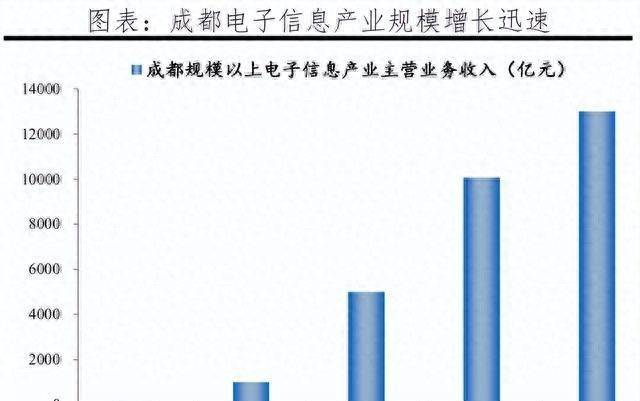
The most noteworthy of this round is not “up”, but “who is up”. In the core districts of shanghai, beijing and shenzhen, it is more like a screening process, where the buildings, the school districts, the sub-news, the trade, the industry, all those who can keep their lives and assets are re-paid. It's their day-to-day routine to cut prices, delay, and watch
The signal from guangzhou is particularly direct. In march, the first-hand and second-hand rooms recovered simultaneously, with a second-hand net-marking of 10,000 units and a significant increase in the number of new houses, with the market moving from single-point repairs to partial recovery. Not the whole city is hot, but the core area is hot; not all houses can turn over, but a few houses restore pricing rights. The house business is moving from "pull logic" to "select logic."
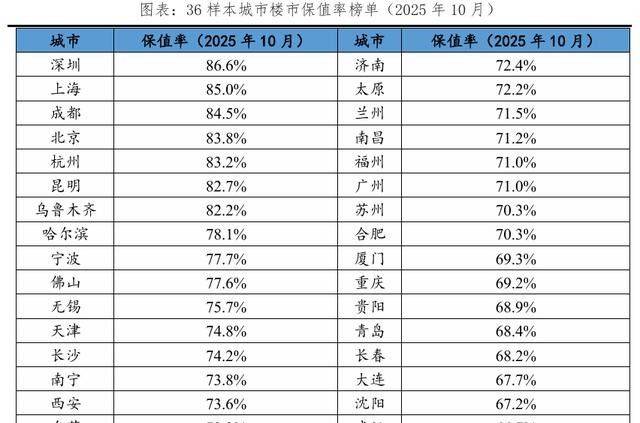
Chengdu's performance has taken this division one step further. The exchange of second-hand rooms in march, which reached more than 24,000 units, has reached a new high since the purchase of the floor, indicating that improved demand, replacement demand and core regional needs are being centrally released. Hangzhou's cheong-seong 2nd phase has a top price, and the floor price has forced the future price to over $70,000
Wuhan is no exception. The market continued to absorb, instead of being deterred by numbers, by the presence of a large house with a unit price of $100,000. Such signals point to the reality that when industries, populations and scarce resources pile together, prices are supported. Not every city can tell this story, and every city can tell it
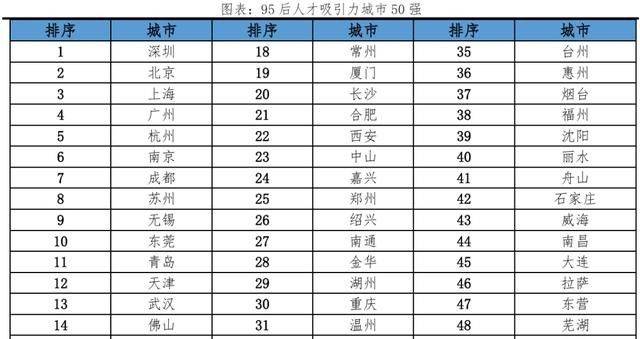
Policy-end actions are synchronized. The political bureau meeting in april resulted in the writing of a draft “structure city” which was followed by the beginning of a relay effort in shenzhen, which resulted in an increase in the amount of public revenues for two-year-old families in beijing, and the issuance of a house purchase voucher by chengdu. It's not too much, it's not too much, it's just the core
These moves will not immediately turn the market into a one-size-fits-all, but will feed liquidity first to those willing to switch. Buyers can come in, banks are willing to lend, housing companies are willing to give price and the deal can go on. The city's rhythm has changed. It's not a slogan that moves. It's a policy, credit, supply, demand line that breaks down
The most easily magnified emotion on the internet is “is it time to get in the car”? Behind these emotions are two judgments. One judgement is that good houses in the core area are beginning to return to the buyer's view, and that it is costly to miss. Another judgment is that most houses are not fully repaired, and the wrong location is still consumed by time
As a matter of fact, today's city does not reward impulses, but only the right choice. Twenty per cent of the good houses were snuffed out of 80 per cent of the purchases, while the remaining houses continued to be turned around in stock, prices and liquidity. It's never equal, it's not really worth the word "house," it's the word "what house."
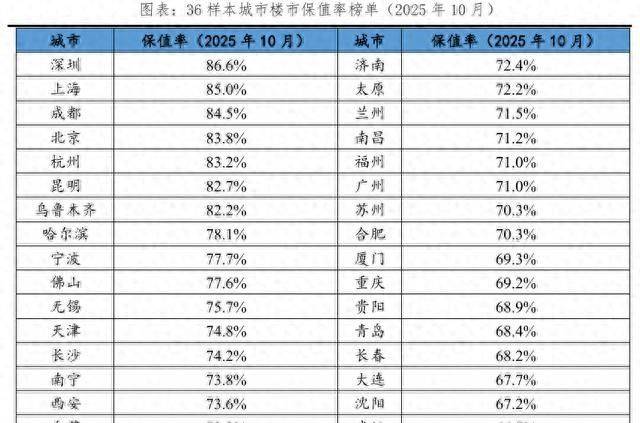
Some voices have been very straight. A good house in a core city buys certainty, not a story; a distant suburbs and old products sells speed, not expectations. The core blocks of shanghai, guangzhou and shenzhen are strong, not on short-term heat, but on the hard support of population, industry, education, health care and transportation
There is a deeper change behind this. Homeland supply is shrinking, core plots are more scarce, and housing enterprises are beginning to concentrate on quality areas. Land is scarcer, development is more prudent, products are more sophisticated, and markets naturally shift from “scramble” to “scramble quality”. A good house is not a slogan. It's a natural consequence of the tightening of the supply side
Houses that sell less and less are increasingly like consumer goods. It does not automatically return blood because it “had risen”, nor does it automatically appreciate it because of the “city name”. What really crosses the cycle is an industrially supported urban core with a young population with a continuous need for improvement. Self-employed people depend on commuters, schools, medical care, sub-renewal and mobility, and investors depend on exit routes and scarcity
The 2026 building market is no longer a closed-eye buy. Nor has it come to total silence. The true background of the lineage is fragmentation, screening and concentration of resources to a higher degree of certainty. The house is not worth disappearing. It's a general illusion to buy and earn
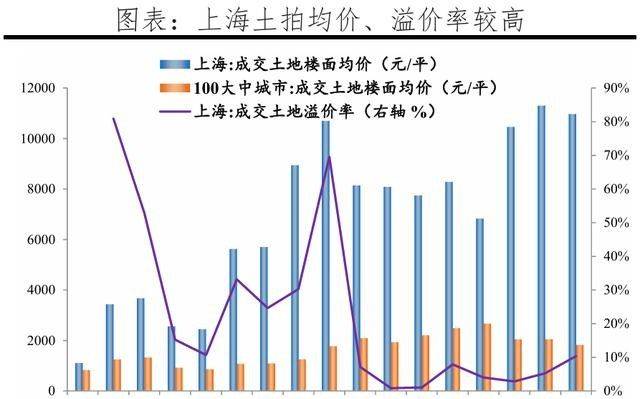
There are still a few points to keep looking at. Demand for improvement in the core cities is taking over the market and second-hand houses are “price-for-price” ahead of new housing stability. High premiums in the land market tend to be channelled to new prices after two to three quarters. Nor will the role of policy be limited to down payment and pension funds, and the boundaries of urban renewal, old modifications, home security and commodity housing will continue to be adjusted
There is also a detail that is often overlooked and the buyer's mindset is changing. In the past, there were “minimum points” and now there are “suit points”. These two points are very different. The lowest points are often not waiting, and the right points are usually instantaneous, especially in the good boards of the core cities, where prices are not waiting, but are squeezed out of supply and demand
A truly mature market has never been a full-scale rise or a full-scale decline, but a return to one's place. The place to rise, the place to fall, the place to stabilize. It's not decent, but it's real enough
The wind has been changed and the labels changed. The house is no longer a total price, but a city, a plate, a product, mobility. Looking at the market, it is no longer just emotions, but rather where the deal, the supply and the policy are. The house finally went from "story telling" to "specify."