In general, we analyse bolt fractures in four ways:
First, the mass of bolts, second, the pre-heavy rectangles of bolts, third, the strength of bolts, fourth, the fatigue of bolts
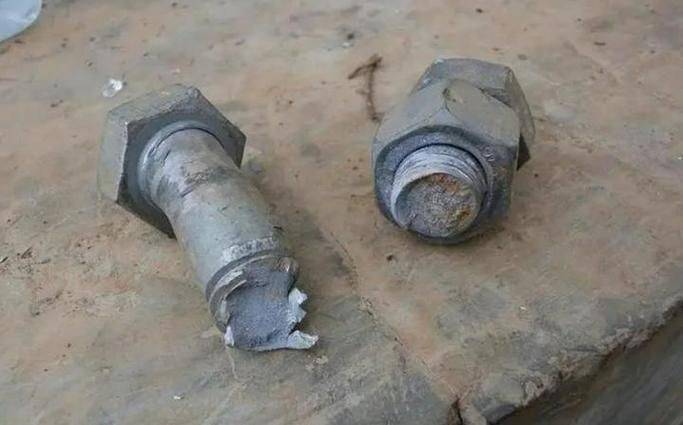
In fact, most of the bolt fractures were broken as a result of relaxation and broken as a result. Because the case of a loose bolt break and the situation of fatigue are largely the same, in the end, we can always find the cause of fatigue, which is, in fact, so much more than we can imagine, that bolts are not used to the point of fatigue。
First, bolt fractures are not due to the strength of the bolt: in the case of an m20x80 8. 8-degree high-strength bolt, which weighs only 0. 2 kg, while its minimum pull load is 20 tons, up to 100,000 times its own weight, and in general we use it only to secure 20 kg of components, and only one tenth of its maximum capacity. Even the effects of other forces in the equipment are unlikely to exceed a thousand times the mass of the components, so the tensile strength of the bolted solids is sufficient and cannot be damaged by the lack of strength of the bolts。
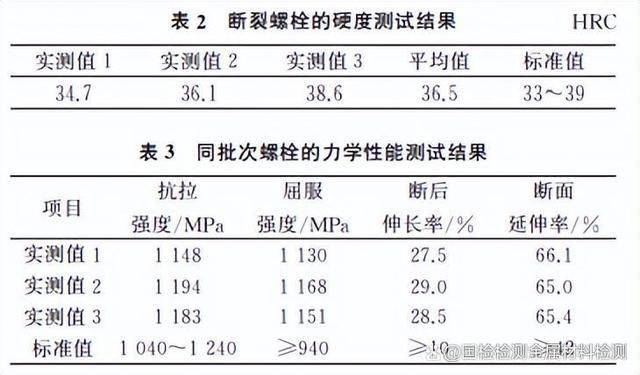
2. Fracking of bolts is not due to the fatigue of bolts: screwdrivers are released only 100 times in the horizontal perforation experiment, and a million times in the fatigue experiment. In other words, the screwdriver is loose when it uses one in ten thousand of its fatigue, and we use only one in ten thousand of its power, so it's not because of the bolt。
The real reason for the damage to the screwdrivers is relaxation: when the screwdrivers are released, they produce a huge kinetic energy mv2, which directly affects the fastening and equipment, causing damage to the fastening and, when damaged, the equipment is unable to work in its normal condition, causing further damage to the equipment. Tightening pieces, which are subject to axle forces, the screws are broken and the bolts are pulled off. Hardware subject to directional force, bolts are cut and bolt holes are rounded。
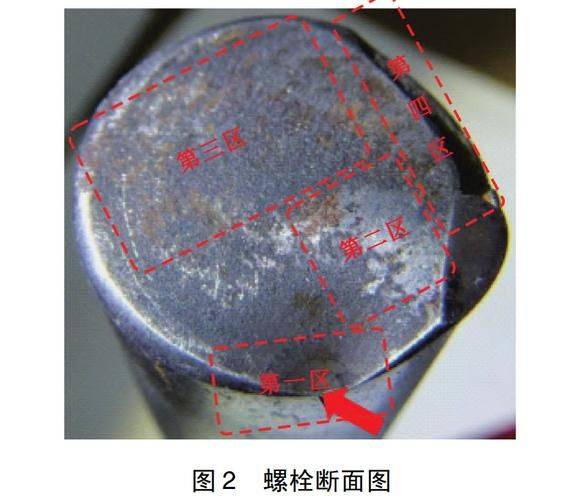
The choice of a pine-resistant screw-proof approach is fundamental to the solution: for example, a hydraulic hammer. The weight of the gt80 hydraulic hammer is 1. 663 tons, with a plate bolt of 7 sets of 10. 9 m42 bolts, with a tensile strength of 110 tons per bolt, pre-heavy to half the gravity count and a pre-heavy strength of 300 to 400 tons. But the bolt will break, and now it's ready to change to the m48 bolt, basically because it won't work out. The bolts are fractured, and the easiest conclusion to draw is that they are not strong enough, and thus most often follow the method of increasing the diameter of the bolts. Such an approach could increase the pre-heavy of bolts, its friction and, of course, its anti-fine effects could be improved, but it was an unprofessional approach with too much input and too little benefit. Anyway, the bolt is, "it's not loose, it's broken."
Find the valves, get on the internet, get on the global valve net