Q1
What are the types of connections in steel structures
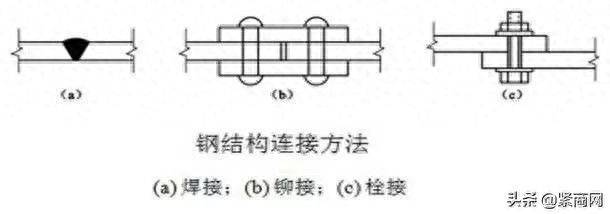
A: welding, bolt connection (normal bolt connection, high-strength bolt connection), and retort。
Q2
The main sort of bolt
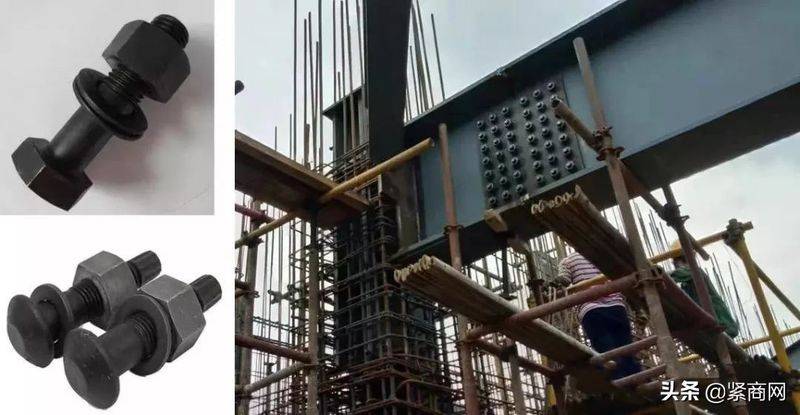
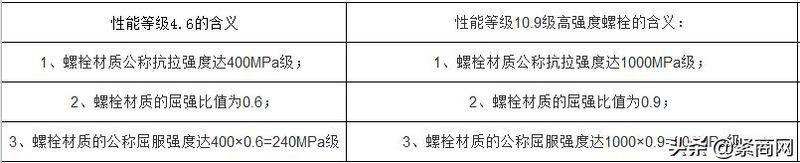
A: classes 3. 6, 4. 8, 5. 6, 6. 8, 8. 8, 9. 8, 10. 9 by performance level, and the bolts of 8. 8 and above are low-carbon alloy steel or medium carbon steel and are heat-treated (iron + backfire), generically referred to as high-strength bolts, and generically referred to as ordinary bolts under 8. 8. The decimals and post-numbers indicate, respectively, the common tensile strength of the bolting material and the ratio of tensile strength。
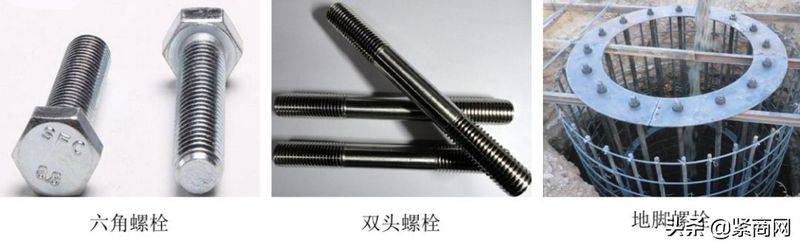
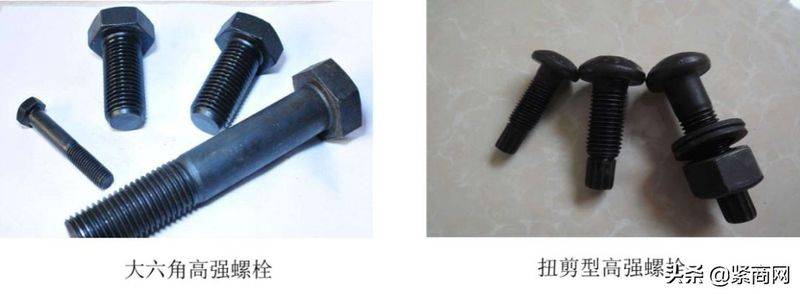
Normal bolts usually consist of hexagonal bolts, double-head bolts, ground-leg bolts, etc., with high-strength bolts divided into sharpened high-strength bolts and large six-angle strong bolts。
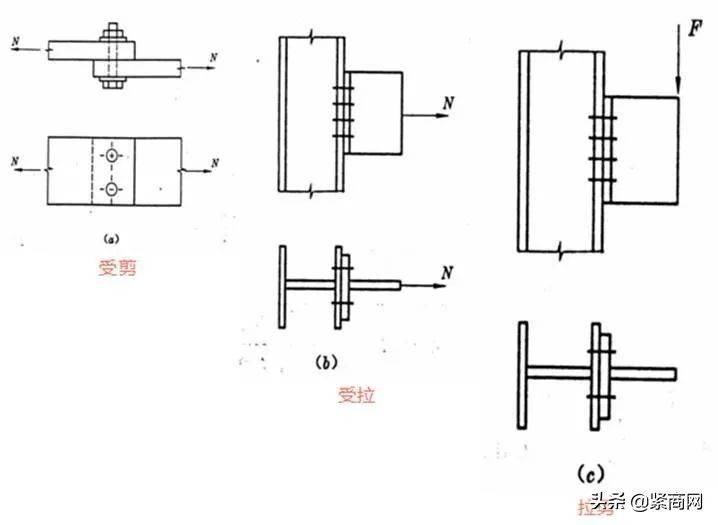
It is usually divided into shear-resistant bolts, bolt-resistant bolts, sheared and bolted。
Shear-resistant connection -- shearing by screw pressure and shear resistance. (b) an external force directly in the direction of the pole, with a tendency to distort the plates
(a) anti-laden connection - the transmission of the external force parallel to the direction of the axis by the use of a screw against pull, with a tendency to disengage between the plates
The combination of anti-thrust and cutting - relying on the screws to transmit both vertical forces in the axis direction and parallel forces in the axis direction. There is both a tendency for the plates to be relatively wrong and to disengage。
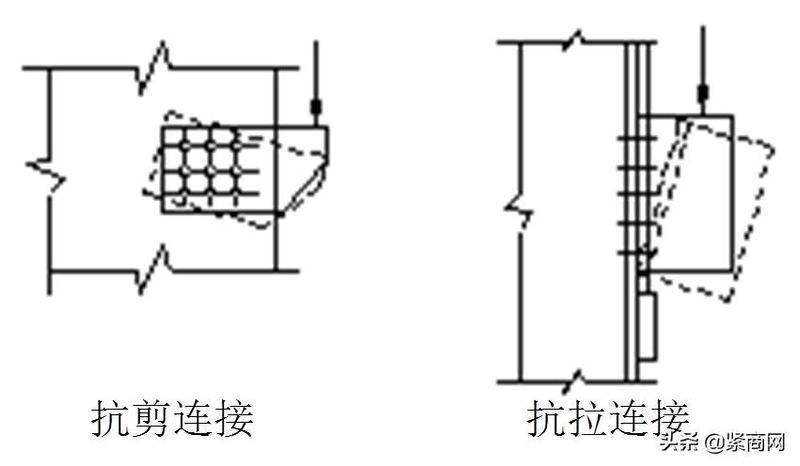
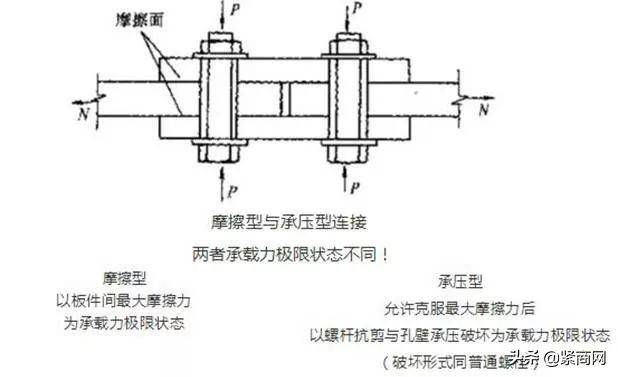
High-strength bolts are calculated and designed in a manner that can be divided into friction-type and pressure-type connections。
A friction-type connection - transfer of the shear only by friction resistance generated by squeeze pressure and use as a design guideline not exceeding friction resistance (no surface slides allowed)。
Pressure-based connection - allows a slide of the contact surface to be used as a design guideline with a maximum carrying capacity to connect to destruction, which is higher than a friction pattern and is compact, but cuts to transform more than a friction pattern。
Q3
Arranged bolts and bolt spacing requirements
A: the bolting is divided into parallel columns and error columns, which are simple, neat, compact and small in sizes of the connectors used, but with a large reduction in the cross-section of the components used; and the wrong column, which is not tightly organized, which is larger in size and smaller in size。
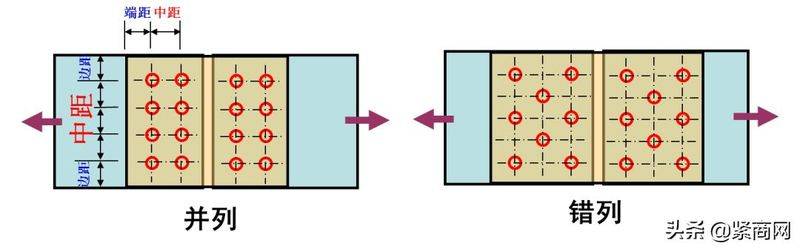
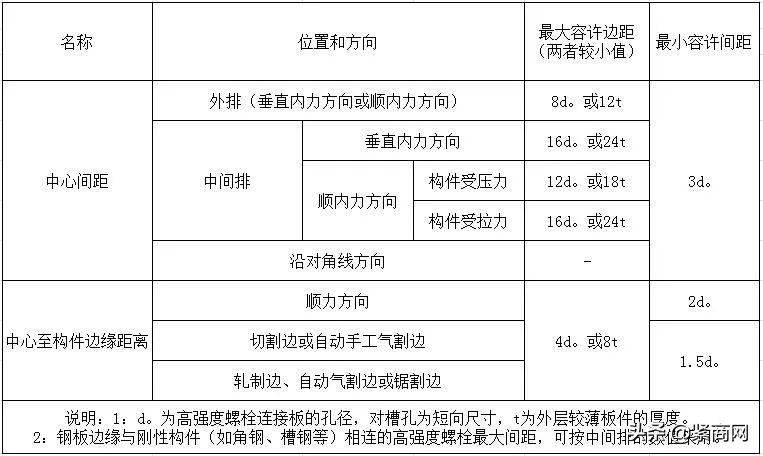
The edges and mid-range of bolts should not be too large to prevent the plates from corrosing the steel as a result of the incoherent and tidal intrusion; being subject to pull, with too much distance and too much distance to weaken the transect of the plate, with the possibility of a clean cross-section damage along a straight line or line, and being cut by the attached steel; being pressured, having too large a bolt space along the direction of the force, and being easily convulsed between the connected plates. The maximum and minimum permissible distance of the bolt is shown in the table below。
Q4
Work performance of bolt-resistant connection work
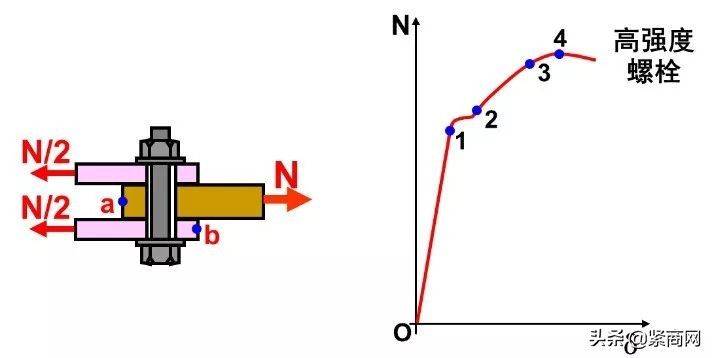
A: the most common type of bolt connection is the cut-off connection, which is the curve between the relative shift between the a and b points of the test and the force. A total of four stages are passed from loading to building damage。
1) the friction transfer elasticity phase (o1 slanted lines): the load is transmitted by friction on the contact surface between the plates, the gap between the bolt pole and the hole wall remains the same, and is in the elasticity phase, which is short and can be omitted。
2) the relative slide phase (12 horizontal segments): load increase, with a maximum of friction in the shear, and a relative slide between the plates until the bolt pole is in contact with the hole wall。
3) pyrotechnic phase (23 curves): in addition to being sheared, the bolt pole is subject to bending and axle pull, and the holes are squeezed. When point 3 is reached, bolts or connectors reach elastic limits。
4) destruction phase (34 curves): even with a very small increase in the load, the cut-off shape of the connection increases rapidly until the connection is finally destroyed. The load corresponding to the upper point of the curve is the limit load。
Q5
What are the forms of bolt damage
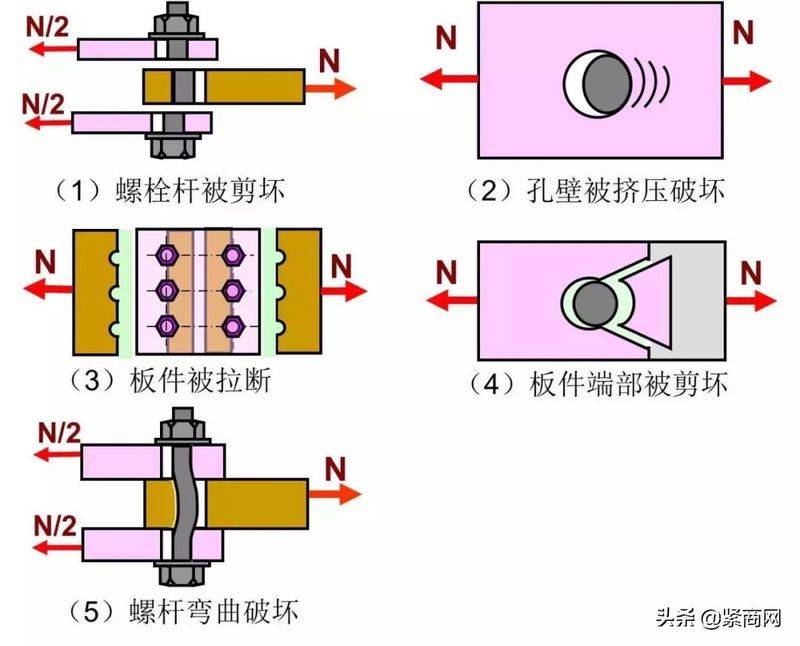
A: the main forms of bolt destruction are: (1) the bolt pole was cut; (2) the hole wall was crushed; (3) the plate was pulled off; (4) the end of the plate was cut; (5) the screw was bent and broken。
Q6
The bolt's tight
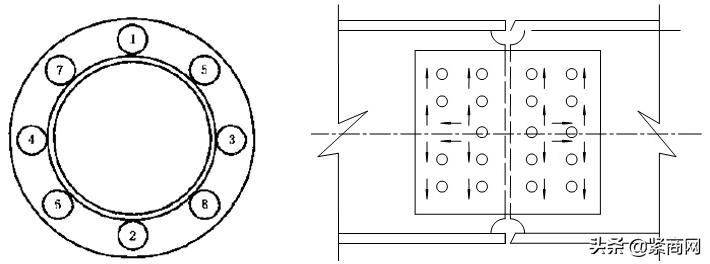
A: solidity of ordinary bolts: the tightness of bolts should begin in the middle and symmetrically proceed on both sides. (b) the rigid construction of bolts is based on the operator's sense of hand and the outer-shaped control of the connection, and the large connection shall be re-engineered, i. E., the two-strength method of securing the uniform capacity of the bolts in the interface
A high-strength bolt connection shall be co-screwed, re-writed and screeched in the order in which the joint high-strength bolt and welded node is directed to the smaller binding direction in the larger part of the joint。
Q7
How to determine the length of a high-strength bolt
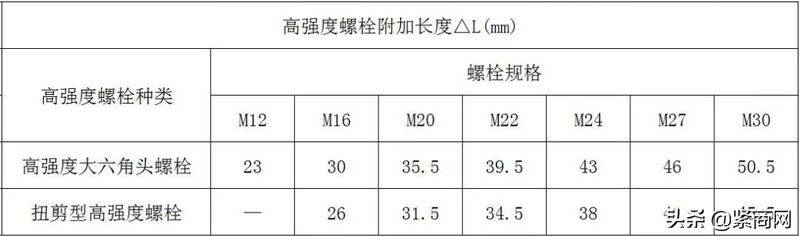
A: the length of the high and strong bolts shall be calculated as a two-button-three-button barblink standard for a bolt-connected sub-end. The length of the selected high-strength bolts shall be taken from the length of the contract, and shall be fixed at a 5 mm interval according to the calculated bolt length l。
I'm sorry
L=m+ns+3p
Where:
The total thickness of the connection panel
L: additional length, i. E., fixed length plus long value, to be taken according to the following table
M: high-strength cortex thickness
N: number of gaskets, 1 high-strength and 2 large, hexagonal-high bolts
S: the thickness of the high-intensity gasket coil, which is measured by the actual thickness when using a large round or tank hole
P: the screw length of the screw, 3p means that the bolt shows three button lengths。
Q8
High-strength bolt design attention
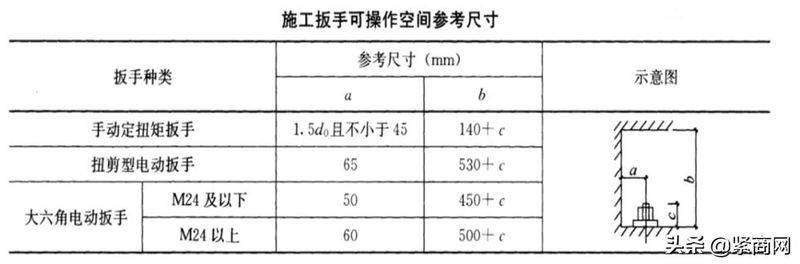
A: a high-strength pre-resort pressure is hardened as opposed to an ordinary bolt, which is generally secured by a wrench, and a high-strength bolt is operated by a specialized device, with special attention to the minimum operating space of the lean steel beam, which otherwise will render part of the high-strength impregnable。
Q9
What are the construction and process requirements for ordinary bolts
A: normal bolts having the following requirements for a permanent connection bolt:
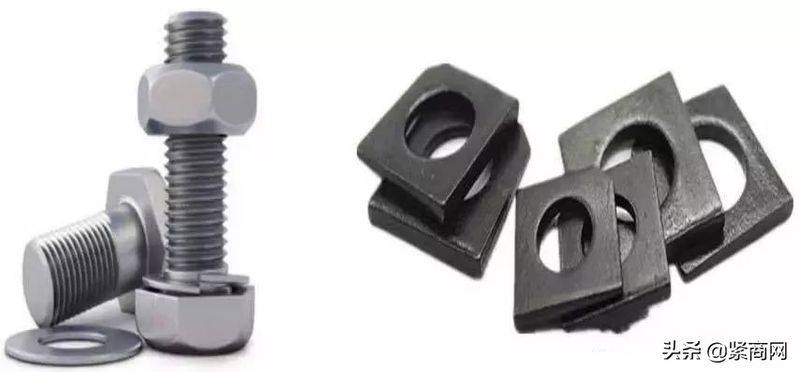
1 the bolt head and the nut side shall be provided with a cushioning ring, not more than two on the bolt side and not one on the nut side
2. A bolt connection with a power load or an important part, designed to withstand laxation requirements, shall be accompanied by a nut or a spring-bed ring with an anti-facilitation device and shall be placed on the side of the nut
3 for slashed bolts such as working-word steel, tank steel, etc., it is advisable to use an oscillated gasket
4 the number of bolts of the same connection should not be less than two
5 no less than two buttons should be attached to the external lacence after the bolt has been tightened and the bolt has been fastened to the mass, which can be checked by hammering。
Q10
What are the tectonic and process requirements for high and strong bolts
A: the construction and process requirements for high and strong bolts are as follows:
1 a high-strength hexagon bolt connection consisting of a bolt, a nut and two gaskets, and a sharpened high-strength bolt connection consisting of a bolt, a nut and a gasket
2. Installation of an ambient temperature below -10°c
High-strength bolts shall be installed free to enter the bolt hole and shall not be forced into it
4 high-strength bolt super-weave to be replaced and discarded from replacement bolts, which may not be reused
5 the length of the high strength bolt shall be calculated as a 2-3 latency after the bolt connection has been complication。