Those who drink milk and tea know that the q chewing pearl is the soul of the whole cup of milk and tea. Many people wonder why the milk pearls tend to recognize cassava and almost nothing else
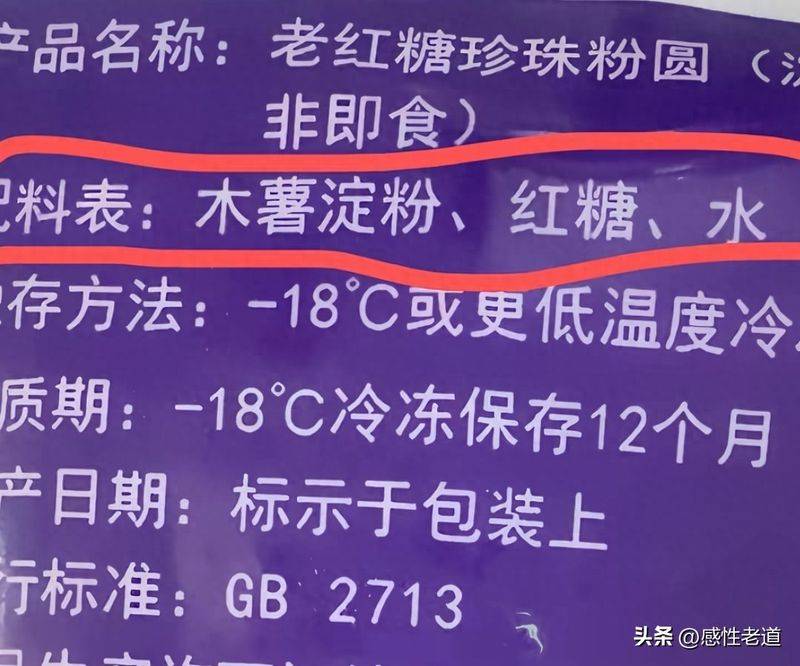
There is one reason why people can talk about their tastes, their resilience, their condensation, but they can speak out of all their flairs. The only reason is that cassava is cheap。
Let's start with the characteristics of potatoes and mashed potatoes. Potato starch is fine, transparent and sticky; it's not bad, it's good for powdered and cool. Theoretically, it is not entirely impossible to make pearls with both kinds of starch。
But in the scenes of the industrial production of milk tea, everything has to be costed。
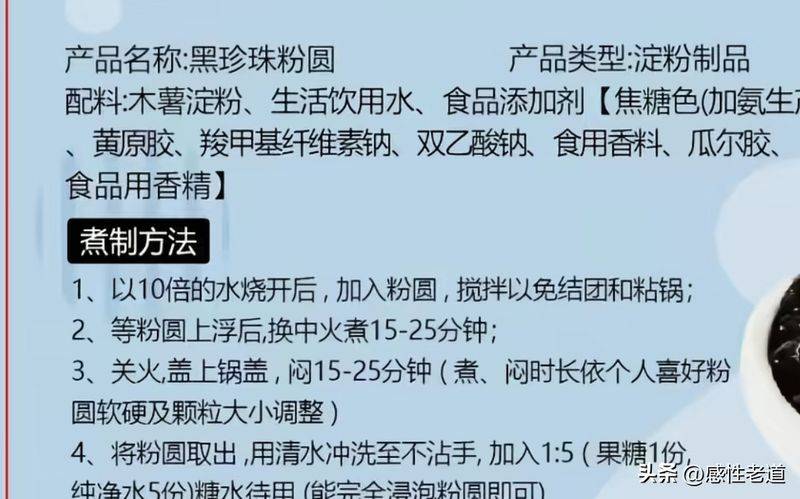
In tropical regions, where cassava is mainly produced, produced and provided with high levels of production, the global supply of goods is constant and wholesale prices are chronically low. Potato starch, sweet potato starch, which is affected by the area under cultivation, production and the purchase price of food, have always been higher than cassava starch. How much milk and tea do you use? Millions of milk and tea shops throughout the country consume pearls per day in tons. If it were replaced by potato starch, red potato starch, the cost of the raw materials would go up and up。
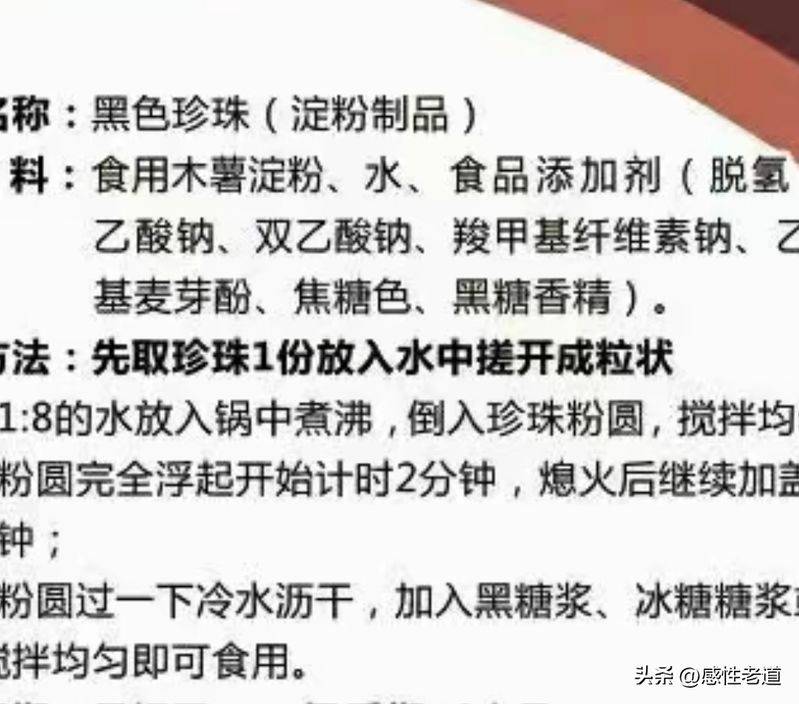
Many people are being led by a variety of subjects and think that only cassava sodium can have a q-shot taste. Undeniably, cassava is flexible enough to be pasted, soft enough to be soft, sob-resistant and suitable for long periods of milk tea. But this is an additional advantage, not a determining factor. As long as formulas, matching and process adjustments are put in place, potato starch and red potato starch can also be chewed up, except that there is no need for merchants to adjust it — why would it cost to have cheaper cassava starch available
From an industrial production point of view, cassava starch sources are highly standardized and of stable quality, and large quantities of machine beads are not easy to produce, without frequent adjustments to formulations. Potato and mashed potatoes vary widely, and their humidity and viscos fluctuate significantly. Industrial production is problematic, increasing losses and debugging costs. Businesses do business in a way that is always cost-effective and stable。
To put it bluntly, it's only a taste that adds flowers, and cheap, large and steady supply is the hard logic. Milk and tea merchants never choose cassava in pursuit of what is called the “top taste”, a rational choice for purely commercial costs。
Those words that over-approach the unique properties of cassava starch. Just listen. If it's not cost-effective to make good pearls like potatoes and mashed potatoes, it's price-high, consumers are reluctant to pay, and businesses have no profit。
Pearl milk tea is made only of cassava starch, which is not a special process threshold, nor can it be made of other starch. The only central reason is that cassava starch is the cheapest, the most productive, and the most appropriate to scale low-cost production. Other so-called tastes, resilience and bubble resistance are only incidental additional benefits。