With regard to the japanese passion for pearl milk tea in the past year, you can tell a couple of things about the three-hour long team at the corner of japan's antony lane, coco milk tea, the number of posts on social media with the key word “punctuum” and the large brands of pearl milk tea inspiration, such as pearl milk tea。
Recently, however, more authoritative data have been available beyond the phenomenon. According to data published by osaka customs on 19 june, the import of japanese cassava pearls in the first half of 2019 (january-june) amounted to 4,471 tons, 4. 3 times the amount of the same period last year; the import amounted to 1. 5 billion yen, 5. 7 times the amount of the same period last year. The amount of cassava pearls imported is the highest in history. Of the imported cassava pearls, 85. 8 per cent are from the taiwan region, in addition to pearls from thailand and malaysia。
“in addition to milk and tea shops, products such as cold and cold water, vegetable salads and other beverages are beginning to be added to pearls, and the data on pearl imports from july to december of this year are expected to be significant”, said osaka customs officer。
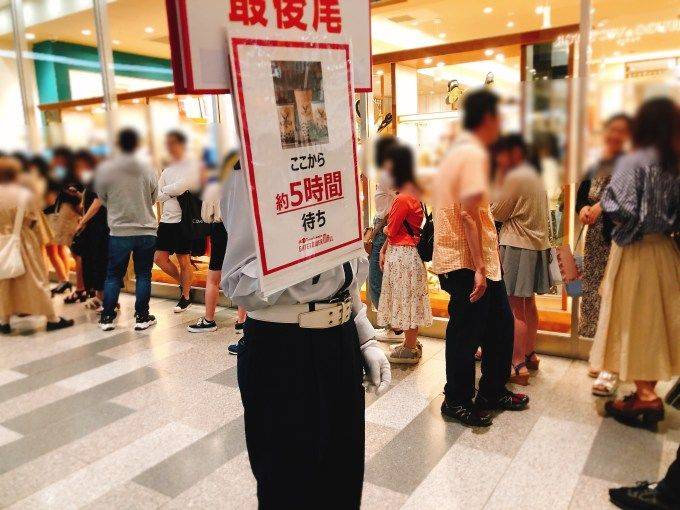
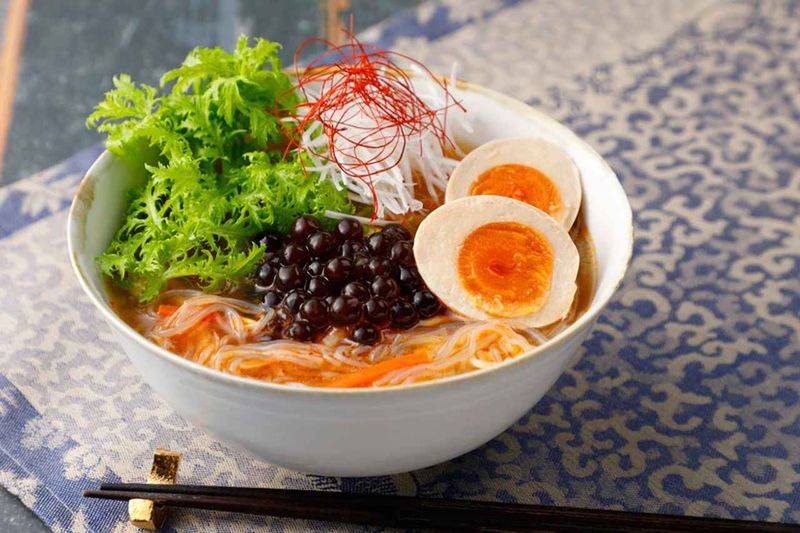
Pearl milk tea fever was not the first time in japan; in fact, it was japan's third pearl wave. An 80-year-old japanese twitter user said, “why has the recent introduction of pearl milk tea in japan” and the answer was, “because the last time pearls were popular in japan, the young people were not born”。
In the early 1990s and around 2008, japan experienced a wave of pearl sweet fever. The earliest pearls were white (like simirou and taro) and were mainly found in chinese and taiwan's sweet shops, which were once popular with young japanese people at the time; by 2008 a wave of pearl tea had risen as some taiwan's milk shops opened up and imported black cassava pearls。
But for the third time, the milk and tea of pearls came in a very fierce way. We have reported on japanese consumers' frenzy about cassava pearls, which have long been unsatisfied with the routine operation of pearls with milk tea — pearls smelting ice, salty pearl noodles and pearly soup。
It also recently opened a new pearl tea theme park in tokyo, which includes large pearls for people to take pictures and several well-known pearl tea stalls, similar to china's internet red shows for young people, with the main character changing into pearls。
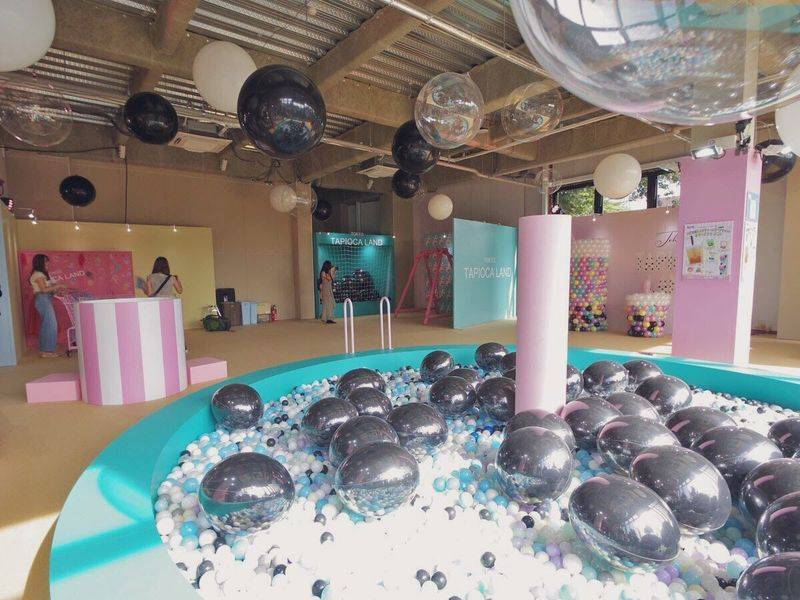
From japan's relative diet of starch dependence, the prevalence of sweets like pearl milk tea makes sense - in the asian diet, almost no one can remain calm about the combination of starch and sugar, especially with tea that japanese consumers are accustomed to; and pearl milk tea, which is sweet, is often popular among consumers represented by young women, because of its relative ease of carrying and eating, and because of its ability to write on packaging designs. Of the pearl milk tea that has been popular in japan’s capital city last year, one is pearl milk tea with a large amount of black sugar, and the other is a net red route for shop decorations or drinks。
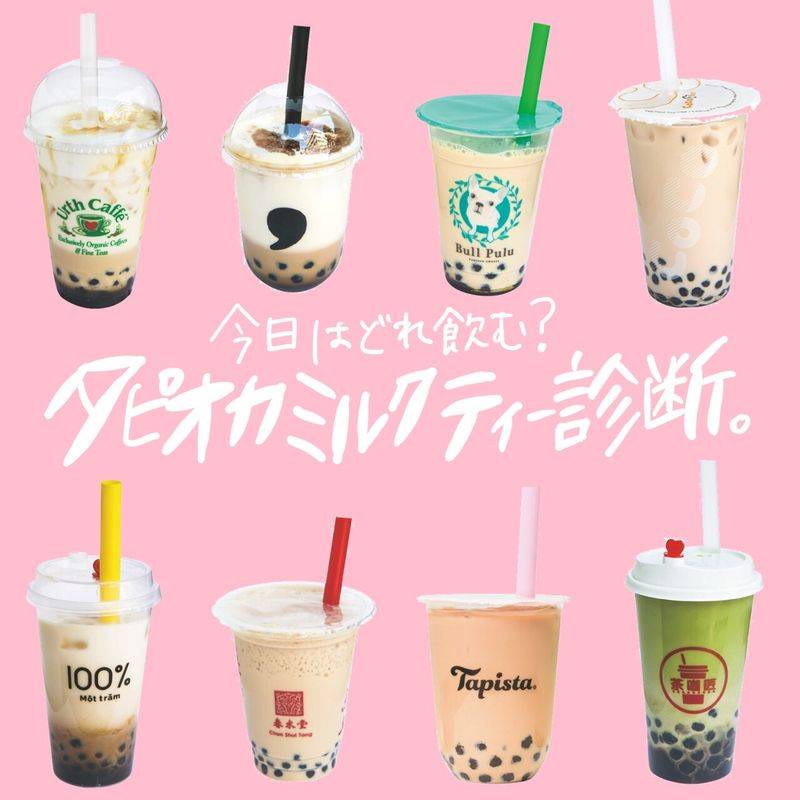
In addition, a small “walk-to-eating” door shop with fire in the youth cluster in tokyo has become popular, which has also contributed to the hotness of pearl tea。
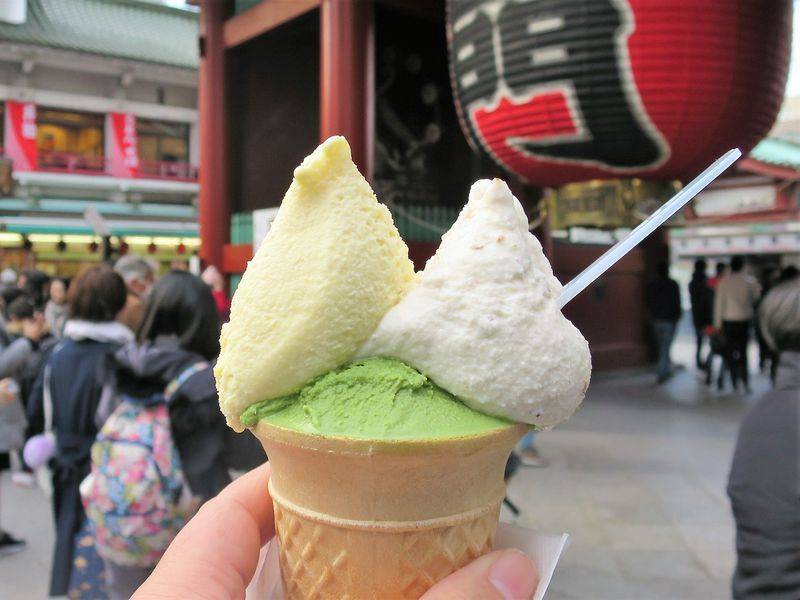
In the past, japan had no habit of “walking and eating” except for the commercial streets of some of japan's tourist attractions, where walking and eating is considered unbehaved and troubling in most regions; while the placement of street trash cans in japan is often concentrated around vending machines, convenience stores and restaurants, where people often choose to eat up near their shops, otherwise street trash will come。
However, since 2015, in places where young people like haraiya and zakamoto have gathered, there has been a gradual opening of shops such as ice cream, crepes, etc., and high school students in these regions have increasingly gone shopping while eating snacks; “walking and eating” this habit has only begun to expand to other business areas and is gradually spreading among young people。
Another factor that cannot be ignored is the rise of social media. Although social media and digital transmission are not directly linked to pearl milk tea, japan's third pearl fever is the largest ever - and its own dissemination in social media。
The redest door shop in the day, the popular pearl tea, the nice drink cup... People are now used to sharing their lives in social media more quickly, and when pearl tea is gradually becoming a new pet of social media, more young people buy pearl tea and upload it to social media with a “fomo for fear of missing out”. This is also known in psychology as "bandwagon effects," meaning that pearl milk is now the young cultural symbol of japan — if you don't buy it, you're out of date。