Speaking of vegetables, what cities do you think? You might say, "isn't there a market for food? It needs a particular city." but if i told you that more than half of the new vegetable sheds in the country have "suspense elements", would you reconsider that? Lifelight, a small town with an area of 2,072 square kilometres, produces 4. 5 million tons of vegetables per year, trades 9 million tons per year and the vegetable industry produces over 100 billion yuan per year. It's not growing food, it's running a trillion-class empire. And what i want to talk about today is another more remarkable thing that lifelight is doing, turning seeds into chips。
Go back to the beginning of everything. In 1989, the first 17 winter-heated huts were built in the village of zhu, the city of suu xin. Prior to that, the supply of vegetables in the northern winter depended on transportation or salted storage in the south, and fresh vegetables were luxury goods in the winter. But the 17 sheds changed everything. Fresh vegetables can also be grown in winter, with high yields, good quality and considerable returns. This model is rapidly spreading throughout the country and is known as the white revolution. You can interpret it as the agricultural version of "rural co-contracting responsibility", an innovation at the grass-roots level that eventually changed the people's table。
From 1989 to the present day, the shed of radiance has evolved to the seventh generation. The first generation of huts is so shabby that they are warm by burning coal, in which farmers work in boredom. The seventh generation shed, known as the cloud shack, is controlled by a network of smarts that automatically regulates temperature, humidity, light and carbon dioxide concentrations, so that farmers can manage the sheds by sitting at home using their mobile phones. There are currently 157,000 sheds of lifelight, from the first to the seventh generation, on the fields of lifelight, and you can see the full history of the evolution of agricultural technology. It's like seeing ancient huts and modern skyscrapers in one city。
But it is not the number and size of the huts that make them the most proud of those who live in life, but rather the fruits of the industry. Seeds are called agriculture's "chips," a very precise metaphor. Without your seed, your vegetable industry is built on someone else's foundations. Lifelight is well known, so it invests a lot of energy in research and development. At present, there are 21 breeding enterprises and 305 autonomous vegetable varieties, with a capacity of 2 billion plants in the years in which they grow. The domestic seed occupancy rate has increased from 54 per cent to over 70 per cent. The change in this number is the result of a "seed fight" that has been going on for years。
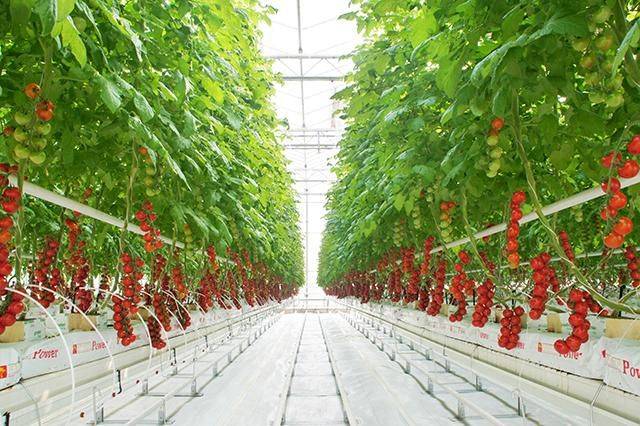
Why are we fighting this war? Foreign enterprises had dominated the market for vegetable seeds. Seeds from many high-end vegetable varieties need to be imported from abroad at high prices and at risk of being cut off. It's like your phone's on someone else's chip. One day they don't sell it to you, your phone becomes a brick. Lifeless people were reluctant to accept this hostage situation, and then began a long and arduous path of self-employment and development. The increase in the national production rate, from 54 per cent to 70 per cent, appears to be only 16 percentage points, but behind this is the daily effort of countless breeders. Cultivating a good breed usually takes 8 to 10 years, which means that today's results have been programmed 10 years ago。
The hardware input in the seed industry is equally impressive. The largest stock of vegetable varieties in shandong province was built and over 26,000 vegetable varieties were stored. It is like a "bank" of vegetable genes, which preserves the genetic code of various vegetables and provides rich raw materials for future breeding. Twelve national scientific research platforms have been set up and more than 40 research institutes are cooperating in research. A small county city with such intensive scientific resources is rare throughout the country。
In 2026, at the food fair, lifelight showed more than 50 agricultural robots and more than 2,600 vegetable varieties. More than 50 agricultural robots, a figure almost unimaginable two years ago. Picking robots, surveying robots, pollinating robots, spray robots... Work in the sheds is increasingly being taken over by robots. This is not a substitute for farmers, but a solution to the shortage of agricultural labour. The ageing problem in rural areas of china is more serious than in urban areas, where young people are reluctant to grow land, and those left behind are unable to carry out heavy work. The introduction of robots has greatly increased the efficiency of agricultural production and made the planting of land "cool"。
Functional breeding is one of the most advanced directions in the development of life-light species. What is functional breeding? Simply put, vegetables are not only good but also have specific benefits for the body. Like a cucumber. Eating can help. Sugar peppers, for example, have a supportive effect on blood sugar control. These vegetables, which sound like health products, have been bred by genetic screening and cross-selections by spa breeders. If these varieties can be replicated on a large scale, they will radically change the perception of vegetables, which are no longer just vitamin supplementation, but rather can accurately intervene in healthy “functional foods”。
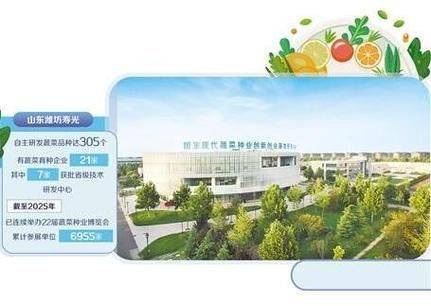
The impact of the lifelight model on national agriculture goes well beyond the boundaries of a county-level municipality. More than half of the new vegetable sheds in the country have been equipped with life-light techniques or models. Lifelight farm technicians have been directing the construction of sheds in the field for many years, and the seedlings of lifelight have been sold throughout the country, and the price of lifelight vegetables has, to some extent, influenced the price of vegetables throughout the country. To say the least, lifelight has become the "infrastructure" of the chinese vegetable industry, like ali yun in the internet industry, and you may not be dealing directly with it, but many of the services you use are on top of it。
From an historical analogy, the specter of eugenic light is like a digital version of "two-shot star." in the 1950s and 1960s, china had independently developed atomic and hydrogen bombs under extremely difficult conditions, breaking the nuclear monopoly of the super-power. Today's lifelight, in the vegetable industry, is doing similar things, breaking the monopoly of foreign-owned enterprises in the field of seeds, and holding the chinese food basket in their hands. While vegetable seeds and nuclear weapons are indistinguishable at a quantitative level, the logic behind them is the same, and the core technology must be in its own hands. Food security is impossible in a country that depends even on imports of seeds。
What does it mean for ordinary consumers to have a succulent seed industry? The most immediate benefit is more stable food prices. Previous fluctuations in the prices of imported seeds, international tensions or higher prices for suppliers would lead to a significant increase in the cost of vegetable farmers, which would eventually be channelled to the price of vegetables. Now that there are autonomous seeds, prices are controlled, supplies are stable, and people's food baskets are more secure. More deeply, chinese agriculture is moving from "back and forth" to "back and forth" and even "lead." in some vegetable varieties, the autonomous varieties of lifelight have outperformed the same varieties abroad, with greater advantages in terms of production, disease resistance and taste。
Lifelight's story really touched me because it's too quiet. There is no rocket-launching sight, no billions of dollars of investment boom, and no al robotic appearance. Lifelight works in a simple manner, growing vegetables, growing seeds and building sheds. But it's the simple way to change the chinese table. The tomatoes, the cucumbers, the peppers that you ate today were probably planted with radiant seeds. You can buy cheap fresh vegetables in the winter, thanks in large part to the 17 sheds in the village of zhu in 1989. Greatness does not need to be loud, and sometimes it hides in a field。
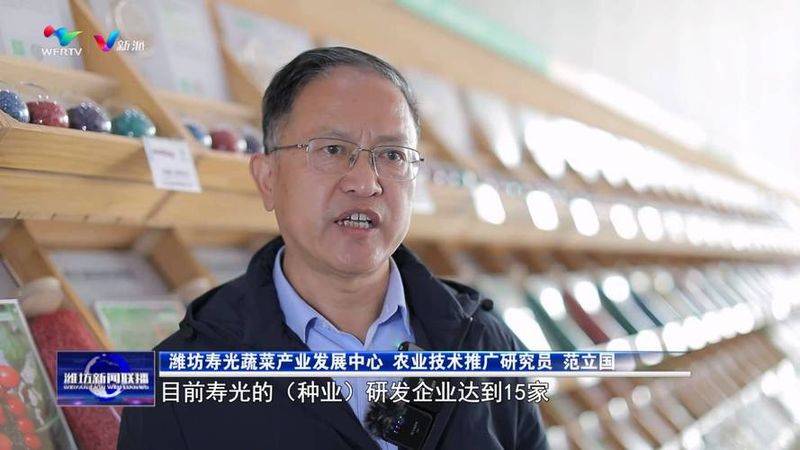
There are, of course, new challenges to lifelight. Agricultural r & d is an area that requires long-term input, with a new species growing for a decade, with no income or financial support. How to establish sustainable research and development input mechanisms in the seed industry is an issue that needs to be addressed in the light of life. In addition, with the rapid development of intelligent agriculture and biotechnology, the international seed giants are accelerating their layout, and lifelight needs to accelerate technological catch-up in front lines such as genetic editing and molecular breeding. There is also a concern that the successful model of lifelight is being replicated throughout the country, and how to stay ahead of competition is a subject of reflection。
Walking on the radiant fields, you see a row of big huts flashing in the sun, like a silver ocean. Within the shed, various sensors and cameras monitor the growth of each plant in real time. Outside the shed, the genetic experts of the radiant breeding study the next generation of varieties in the laboratory using microscopes and gene sequencers. On the ground is the sweat of traditional agriculture, and in the laboratory is the light of cutting-edge technology, which is perfectly integrated in the lifelight. Maybe this is the future of chinese agriculture, with state-of-the-art technology and the best food。
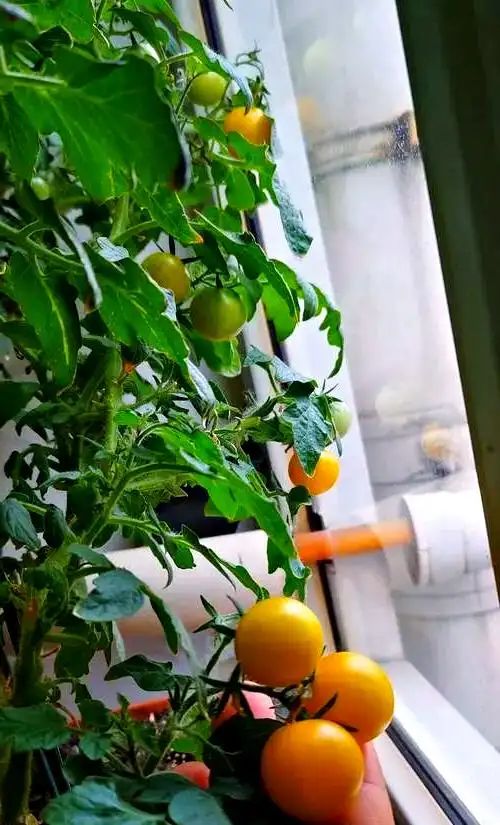
History does not simply repeat itself, but it carries a similar rhyme. 10,000 years ago, in the middle east, humankind fertilized the first wheat grain in a new month, opening up agricultural civilization. More than 500 years ago, columbus brought tomatoes and potatoes back from the americas to europe, changing the global diet. Today's lifelight is continuing in its own way. A small town, a group of breeders and tens of thousands of huts are turning seeds into chips, vegetable fields into laboratories, and chinese tables in their own hands. Next time you take a bite of the tomato, you might think about where this tomato seed came from。