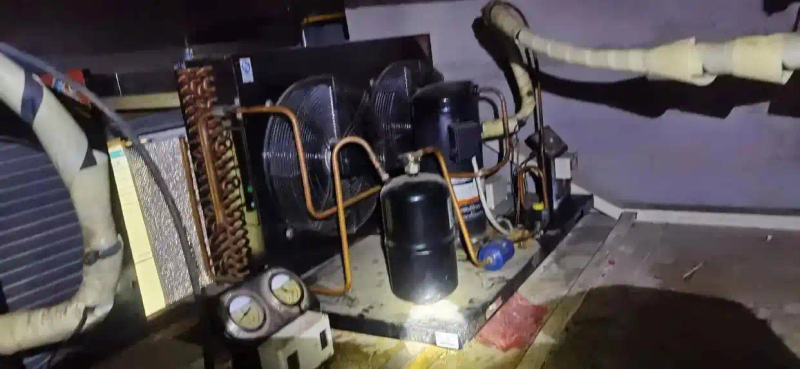
The lack of cooling units is a common malfunction in the operation of the freezer, which has a direct impact on the safety of storage of the cargo within the depot. Faced with such problems, systematic screening and basic techniques for compressor restoration are required. A detailed breakdown of the failure clearance process and the key repair methods is provided below in steps。

Free 24-hour consultations
153 - 3917 - 6097
Open 100 degrees app
Scanning now
Call immediately
I. Functions classing process
When it is discovered that the cooler temperature cannot be reduced to a given value, the compressor failure should not be immediately determined, but should be checked from the outside, from a simple to a cumbersome sequence。
1. Inspection of external operating conditions and environment
First, check the sealing of the freezer doors. The ageing of door seals, broken doors or the incomplete closure of doors because of cargo and frost blocks can lead to large-scale hot air intrusions, which keep the crew operating at high levels without effective cooling. Check whether the doors are closed and closed。
Watch the condensers' state. Condensers are mainly used for heat dispersion, and if their surfaces are accompanied by excessive dust, willows or oil pollution, or if the surrounding space is narrow and poorly ventilated, they result in a sharp decrease in heat dispersion efficiency, which in turn causes excessive condensation pressure and lower refrigeration efficiency. Regular cleaning of condensers wings is required to ensure that there is sufficient ventilation around them。
Check evaporation. See if the surface of the evaporation tube is too thick. Excessive frosts can seriously hamper air flow and thermal exchange, leading to poor cooling. This should check whether the frosting system is working properly, including the frosting timers, heating tubes, and drainage routes。
2. Inspection of operational parameters for refrigeration systems
The failure point can be more accurately judged by key parameters such as pressure, temperature and currents during the operation of the observation system。
Observation of high-pressure pressure meters. Shortages of refrigerants are common and are reflected in low pressure and high pressure pressure, and compressors may also operate small currents, touch gas pipelines that are not cool or frostless. If systems are clogged (e. G. Dry filters, expansion valves, or clogged), there may be very low or even low pressure pressure, high pressure pressure, and higher temperatures in compressor casings。
Checks the operation of the compressor. (b) whether the listening compressor is operating abnormally and, in the case of a visible tap, friction may mean damage to internal mechanical parts. Touch and feel the temperature of the compressor's shell, which should be warm under normal conditions, and may lack oil, overload or internal damage if the hand is overheated. At the same time, compressors are measured to operate currents, which may be significantly below the rated values and may be inadequate refrigerants or damage to internal valves of compressors; excessive currents may be overloaded, voltage abnormalities or mechanical card stalls。
3. Inspection of electrical control systems
The failure of the control system may also result in the non-normal cooling of the fleet。
Check if the temperature controller is set correctly, if the sensor is installed, damaged, and if the signal is delivered accurately。
Check the movements or re-positioning of protective devices, such as high-pressure protectors, low-pressure protectors, oil pressure differential protectors, overload protectors, etc. When the protections jump off, the crew will be shut down or unable to start, and the cause of the jump will need to be identified and the failure resolved before they can be reinstated。
Checks whether the contact points of electrical elements, such as communication contacts, intermediate relays, are burned, the adsorption is solid, and the lines are loose and loose。
Ii. Common malfunction analysis and repair techniques for compressors
When a check is made to confirm that the malfunction originated from the compressor, an analysis is required based on the specific phenomenon. Note that in-house maintenance of compressors requires specialized tools and knowledge, and operations involving shells are usually recommended for use by experienced technicians or for direct replacement of compressors. The following are the diagnostic and basic repair techniques for common failures。
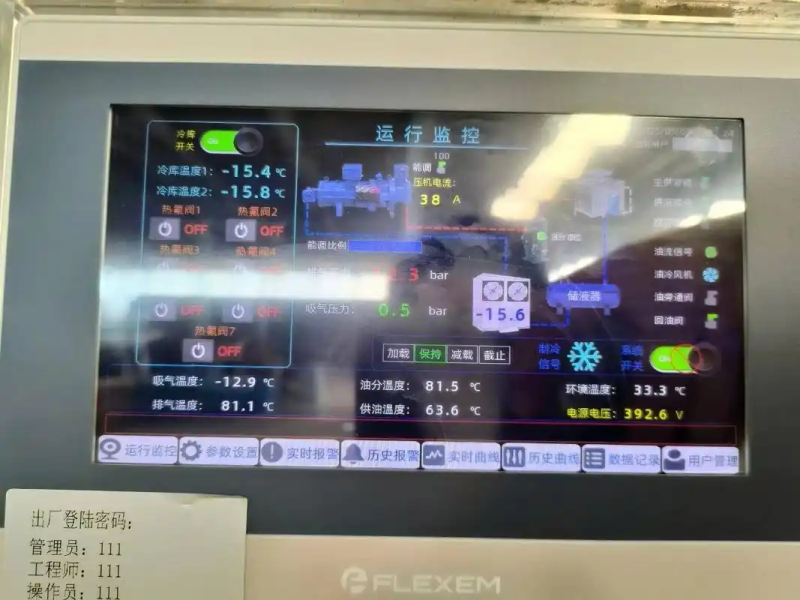
1. Compressor cannot be activated
First, the power supply is checked to determine whether the power voltage is within normal range, and the absence or low voltage will render the compressor inoperable。
Check electrical control circuits to measure whether the condenser's endpoint voltage is normal. Checks if the contacts are adsorbed and if the protectors are moving. If the electrical component is normal, there is a manual attempt to rotate the main axis of the compressor (subject to power outages and ensuring safety), and if it is completely impossible to rotate or is extremely difficult to rotate, there may be serious mechanical problems in the interior, such as carrying axes, casks, etc。
Compressor functioning but inadequate refrigeration
If the compressor is able to function, but with low exhaust pressure, high inhaling pressure and poor temperature reduction, the reasons and treatment may be as follows:
Valves are damaged or sealed poorly. Inhalation or exhaust valves are fractured, deformed or worn, resulting in gas moving round and around in the cylinders, reducing compression efficiency. Method of judgement: measurement of running currents is often small and the temperature of hand-held exhaust pipes is not very different. The repairs require the replacement of valve components or valves, which require the decompression of the gas tank cover。
The gasket is punctured. If the seal between the caps of the compressor and the valve plate is broken, it can cause high-pressure cavity collusion, which also leads to inefficiency. Symptoms are similar to those of valve damage, and cover is required to replace the seal。
Pistols with gas cylinders worn. Long-term operation results in too large a gap in co-operation and increased leakage during compression. This is usually accompanied by the possibility of increased running noise and abnormal oil consumption. The repairs will require measuring gaps and, in serious cases, cisterns or replacement compressors。
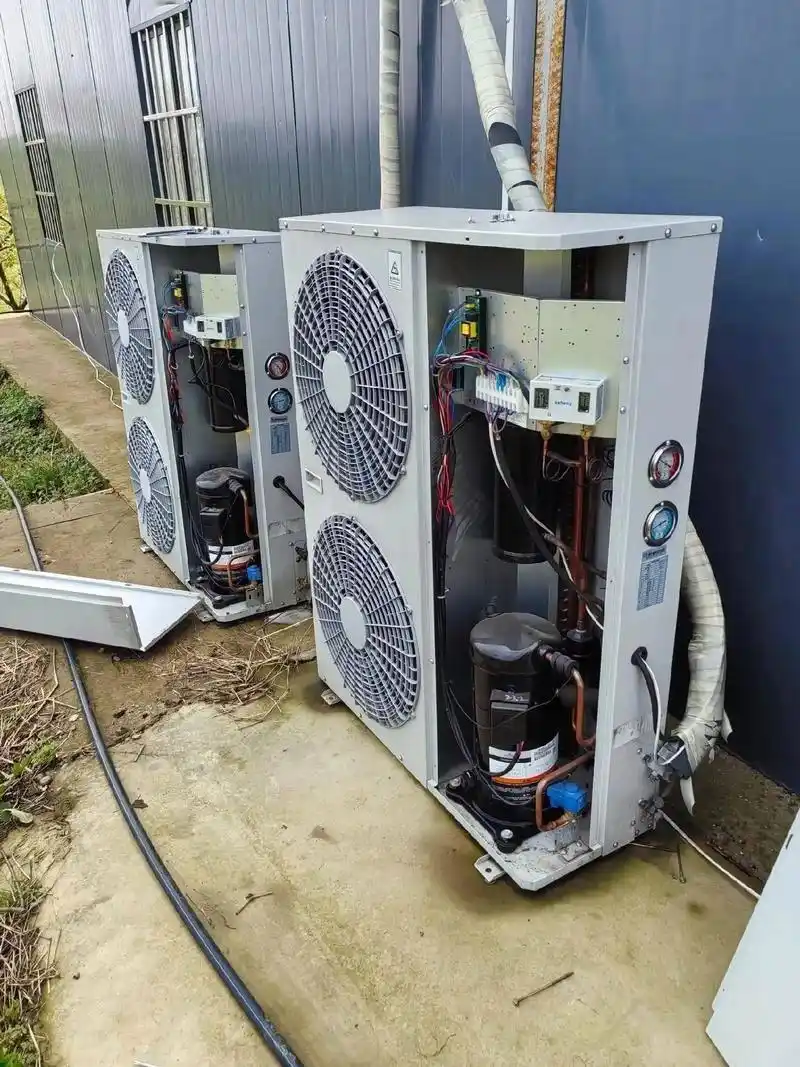
3. Compressor abnormal noise and overheating
Anomalous metal impact in operation, possibly due to: internal connection bolts, loose bolts of the screws; fragments of the valve that fall into the cylinder after fragmentation; severe wear and tear of the bar or piston; and dry grinding of components due to lack of lubricants。
Compressors overheat, except for external causes (e. G., excessive condensation pressure and high return temperature), which are mainly due to poor lubrication. Check whether lubricant oils are suitable and whether the oils are dirty and acidized. When internal wear and tear is caused by lack of oil, major repairs or replacement of compressors are often required。
Post-maintenance care
Once the screening and rehabilitation has been completed, diversity is standardized to ensure system stability。
For open refrigeration systems, diversity is strictly vacuumed to exclude air and moisture. Depending on the size of the system and the opening time, a suitable vacuum pump should be selected and the vacuum should be pumped for a sufficient period to ensure that the vacuum level is sufficient。
Quantified refrigerants. Complementes according to the refrigerant type and charge as indicated in the aircraft fleet stamp or description book. It is prohibited to oversize and excellently weigh. Watch if operational parameters (high voltage, current, overheat, etc.) return to normal range after charge。
Start piloting. To keep the crew running for at least one full cooling and frost cycle, to observe whether the temperature drop curve is normal, whether the crew's start is smooth and whether the protective functions are effective. Recording of stable operational parameters as baseline data to be maintained in the future。
Summary highlights:
1. Non-temperature screening of chillers should follow a systematic sequence: first, the external conditions such as door seals, condensers and evapotors, then the operational parameters such as system pressure, temperature, current, and finally the electrical control system。
2 compressor failure needs targeting analysis: it is not possible to initiate focused detection of power sources and electrical circuits and mechanical card stalls; capable of operating but not irritating focused screening valves, failure of seals or internal wear and tear; abnormal noise and overheating associated with mechanical relaxation, wear and tear and lubricants。
3. It is essential that, upon completion of maintenance, normative operations be carried out, including system vacuums, quantitative resupply of refrigerants and adequate test operation observations to ensure that parameters are stable and normal values are recorded, which is a key step in ensuring maintenance quality and the long-term reliability of the system。