When domestic or public charging stakes are charged to electric vehicles, the electricity fee is digitized and easily accessible. Users do not need to carry cash or go to an offline point, and pay only through a mobile phone application, greatly increasing the efficiency and comfort of charging experience。
The majority of charging stake operators offer exclusive app or small programs as major contribution platforms. For example, mainstream service providers such as national grids, special calls, and star charging support users to bind charging accounts and to view charging records and consumption details in real time. Upon completion of a charge, the system automatically sends a billing notice and the user can select a micro-mail, payment treasure or bank card directly within the app to complete the payment, which takes only seconds。
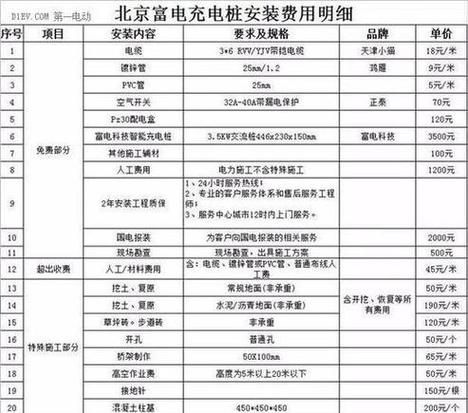
For users who have installed private chargers, electricity charges are usually consolidated into household bills through the power company. Such users are required to apply in advance to the local power supply department for a “cedar price” or “specialized electricity price for electric vehicles” policy, and after approval, charge-back costs will be calculated at preferential rates and will be included separately in the monthly electricity bill without additional operation。
Some of the public charge stakes support the plug-in function, where the user only needs to start charging by scanning a 2-dimensional code or using a nfc card, and the system will automatically identify and complete the billing. When the charge is completed, the vehicle automatically loses power and costs are settled immediately, without the need for manual operation of the payment interface to achieve real “unsensible payment”。
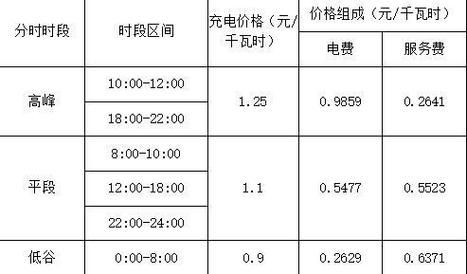
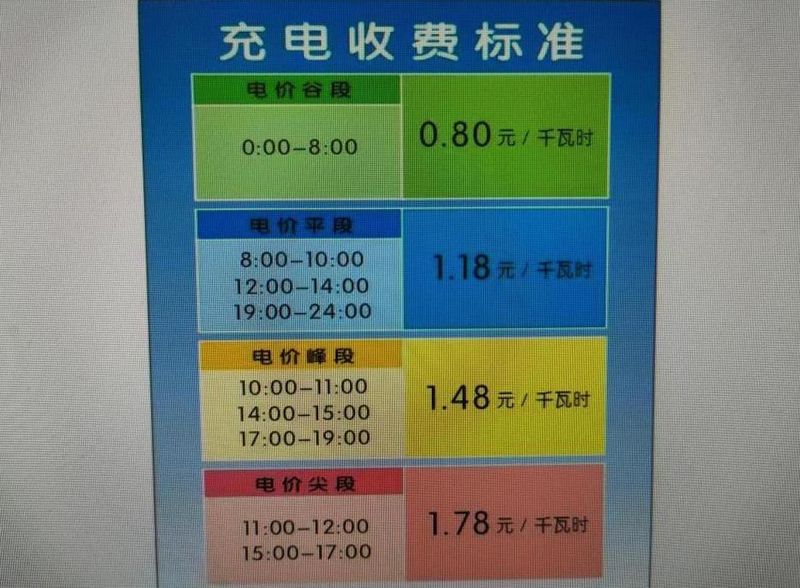
In order to ensure a smooth payment process, users are advised to complete the authentication of names and account binding prior to initial use and to maintain a mobile phone network. Some of the platforms also provide value-added services such as monthly couplings, crediting, night charging discounts, and rationally plan charging times, which can further reduce vehicle usage costs。
Regardless of the charging facility used, contributions are based on the official platform and are not subject to informal payment links or third-party collection services to safeguard financial security and data privacy. As the smart grid and the new energy infrastructure continue to improve, future charging will become more intelligent, transparent and efficient。