Rationale
Turbo, or turbo or t at the back of the car, indicates that the engine used by the vehicle is turbo. This is the case of the 1. 8t of the popular treasure, the 1. 8t of passat, and the 2. 0t of audi. The motors of these vehicles are operated by fuel burning in the engine cylinders, thus exporting power. The most efficient way to increase engine output is to provide more fuel combustion when engine charge is certain. However, it is easy to provide more fuel within the cylinders, but the provision of sufficient quantities of air to support the full combustion of fuel is difficult to complete with the traditional engine-inventing system。
In terms of the operation of the petrol machine, each kilo of gasoline supplied to the cylinder would require approximately 15 kilograms of air to be inhaled to ensure full combustion. However, these 15 kg of air will be very large in volume, and it will not be easy to fully inhal this size of air by the vacuum created by the tank during engine inflow. It is therefore particularly important to increase the engine's ability to inhal the gas, i. E. To increase the engine's inflatability. Pressure-added technology is a way of improving engine gas intake. In principle, it uses special presses to pre-compress the gas before entering the cylinder, to increase the density of the gas entering the cylinder and to reduce the volume of the gas, so that, in a unit volume, the quality of the gas increases significantly, and the amount of gas is sufficient to meet the fuel combustion requirements, thereby achieving greater engine power. The pressurizer used in the process is also called the pressurizer. One
Pressure increase method
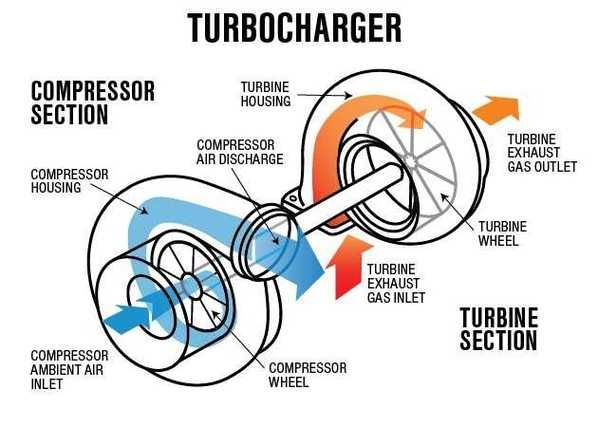
The engine's pressure increase method can be broadly classified into four categories depending on the energy source used by the driver。
Mechanical pressurization systems, which are directly driven by engine curves through gears (or belts etc.)。
The exhaust turbine pressurization system, which is driven by the exhaust gas released during engine work。
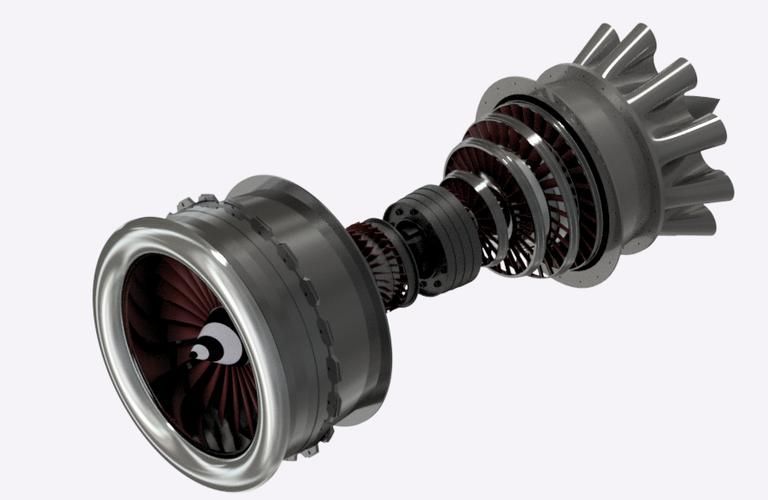
A composite pressurization system, i. E. A motor, with both a waste gas turbine and a mechanical pressurizer。
Air-wave increase systems, which use high-pressure exhaust pulse waves to force air compression。
The strengths and weaknesses of the turbine
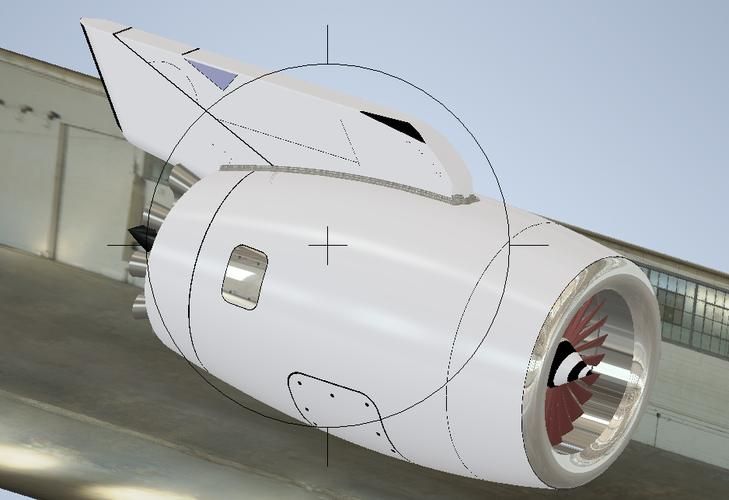
A turbine booster can increase engine power and twist more significantly without changing engine charge, and generally the power and twister of a turbine booster will increase by 20% ~30%. On the other hand, turbine pressurization can increase the fuel economy of cars。
But there are also disadvantages to turbo boosting, which is the turbo retardation effect, because turbos need to wait for the engine to turn at a certain speed (about 2000rpm) before they can start work, followed by the noise increase and vent heat problems associated with turbocharge. Also, the parts in the turbine pressurizers are often in a high temperature and high impact environment, so these engines have special requirements for engine oils, which must be resistant to high grinding, high temperature tolerance, fast lubrication, high oil membrane intensity, good stability and low viscosity. One
References