Bee farming is one of our farming industries, and beekeeping provides many healthy, green bee products and has become a popular natural food. How much money does beekeeping cost? Now let's figure out how much investment it takes to raise the bees
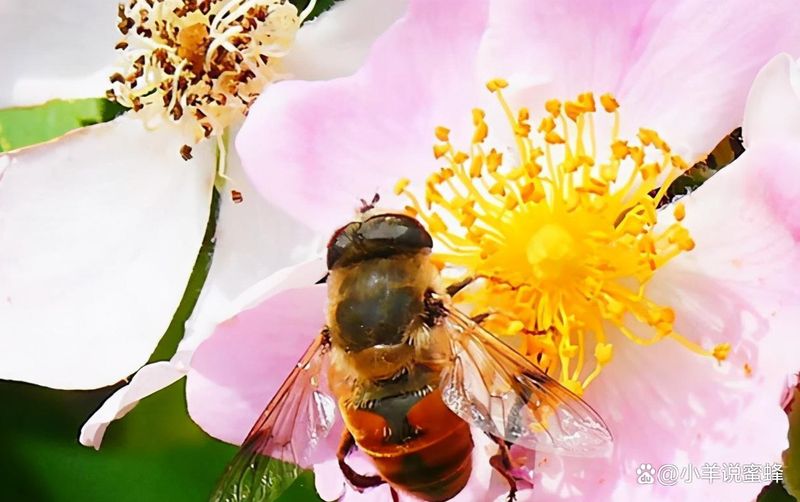
Analysis of the future of honeybee farming
Investment has been quick: bee farming is a “quick-impact” project, with little investment and quick results. It does not compete with agriculture. It can develop as long as there are honey plants or rich areas nearby. The conditions are not stringent, so bee farming is easy to carry out, whether it is professional or amateur。
2. Assistance to agriculture: bee farming is very useful for agriculture, helping to pollute crops during flowering, has a positive impact on crop yields and improving the quality of agricultural products; and growing crops and bees can be carried out simultaneously, helping each other, not only to increase crop yields but also to provide adequate honey sources for honey bees。
3. Development prospects are wide: our land is rich and rich, we have a wide variety of honey-producing plants everywhere for bees farming, and our natural honey production is among the highest in the world, and the export of honey in recent years has remained almost at around 100,000 tons. In terms of both domestic and international honey consumption alone, there is much room for growth in our honey market, so bee farming is a promising project。
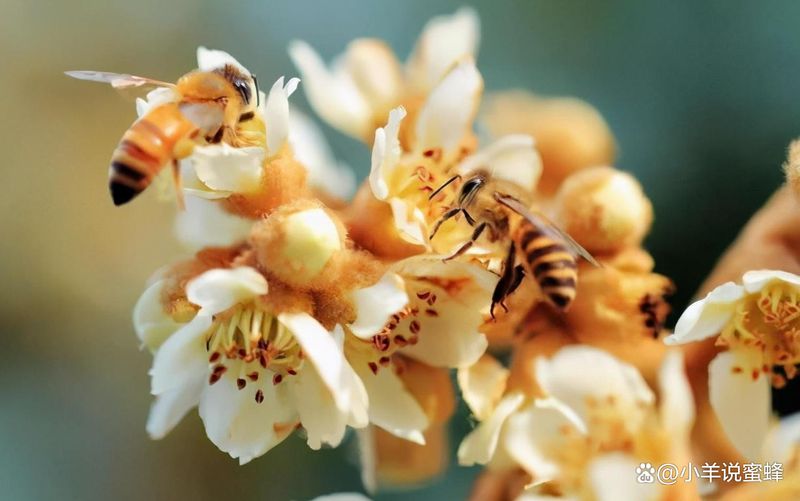
What's the profit on bee farming
1. Honey production: the key depends on how much honey production is produced, and bee farming itself is subject to more factors, mainly affecting the herd's size, the number of bees collected, the number of honey plants that flow, the distance between the honey source and the hive, the effects of climate and the level of beekeeping by the beekeepers themselves, so the production of honey is very uncertain and much less. In case of bad weather or poor external honey supply conditions, it is possible that the particles are not harvestable and that, by feeding sugar, the bees will not starve to death, otherwise the losses will be greater。
Honey prices: the honey market in the country is more complex and varies from one place to another, although it varies between $100 and $250; of course honey also depends on quality, such as the fact that earth honey is more expensive than ordinary honey, which is longer and less abundant, while the latter is shorter and larger。
3. Beekeeping profits: if 100 boxes of bees are raised and are largely maintained on a strong group size, honey production can be maintained at 800 pounds a year, with a yearly profit of more than 100,000 based on the above average price. Overall, however, there is a strong correlation between the profits of beekeeping and the region, as well as greater uncertainty, so that the benefits of bee farming vary from one person to another in different regions。
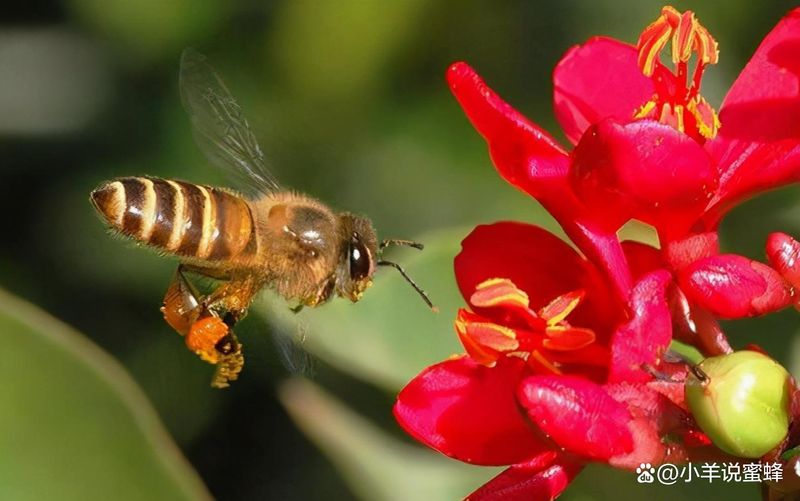
How much investment does bee farming cost
Bee farming, like other projects, requires capital investments, such as bees, bees and other spare parts for temporary use, which are costed。
1. Bee species: the cost of bees in a box is approximately $500-700, the median value is 600 yuan, and the cost of bees in 100 boxes is approximately 60,000 yuan。
Bee tools: bee tools are essential tools for beekeeping, while commonly used bees have bees boxes, bees frames, beesproof clothing, honey shakers, among others, the highest cost being beesboxes, many of which cost on average about $100 per box, and about $10,000 per box。
Other: in addition to the cost of the main beehives, such as the beehive above, there are scattered essential items such as feed, bee medicine, cage kings, etc., since the bee is a regular breeder, much of the cost of moving, car fare, etc., is saved, and the average cost per box is within $50 and the cost of 100 boxes is around $5,000。
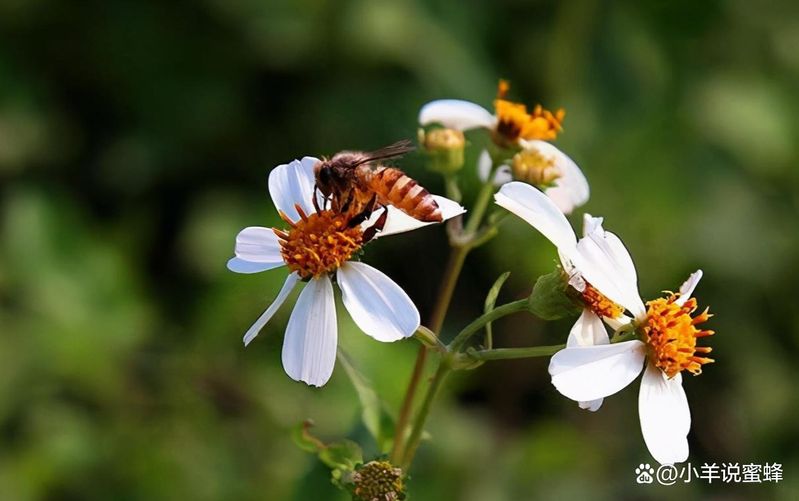
What kind of bees produce in bees farming
1. Honey: honey is one of the bee products in bee farming, which is hormonal, irritating, drying, painkilling, detoxification, antibacterial, etc., and is widely used in the production of anointants, pills and dotants for chinese medicine. There are also very wide-ranging applications in the food industry, cosmetics, etc。
2. Beems: also known as beehive mammoth, beehive breast milk, which is also produced by the young worker bee's mammoth and is of a white or light yellow form, which is unique in smell and is mainly used for feeding the bee king and is therefore known for feeding bee larvae of three days ' age. The beems are rich in nutrients and contain a variety of substances such as proteins, amino acids, resins, sugars, hormones, enzymes, nucleic acid and minerals. It is widely used in the food and beverage industry and in the production of cosmetics。
3. Beeg: is a resin taken by honeybees from new twigs of plants or from the bark of trees, processed through translucent adhesives and waxes mixed into bees; it contains acetone compounds, amino acids, vitamins, minerals, etc。
4. Bee wax: a fatty substance in the bee wax gland, consisting mainly of high fatty acids and lipids synthesized by advanced monotonol. There are extensive applications in the pharmaceutical, food and chemical industries。
5. Bee poisoning: a transparent liquid from the worker's poison glands and hypothyroids is acidic; it is normally stored in a bag by a bee and, when an attack is launched, it is discharged into the skin by a needle。
The larvae: is the form of the second stage of bees' development, including the king's larvae, the male larvae and the working bee larvae; the bee larvae is a purely natural nutritious food with high proteins and low fats, and can also be made into a unique flavor of vegetables, which has the effect of irritation, painkilling and detoxification。
In conclusion, bee farming itself is not very much invested, mainly in the first year, mainly in the purchase of bees and bees. From the second year onwards, its cost will be significantly reduced. If purchased from the spring, it will yield economic benefits in that year. Of course, the bees themselves are subject to some uncertainty as a enrichment project, so that they can be used in their own right and can be used on a small scale at an early stage to scale up and increase their gains。