Fungalism has also traditionally been relegated to the phytologic category, but in fact it is one of its own. Yellow sun researchers told small farmers that the analysis of evolutionary trees found that fungi and animal genetics were closer and that plants were far away because they were higher than plants。

What can be nurtured? What's not
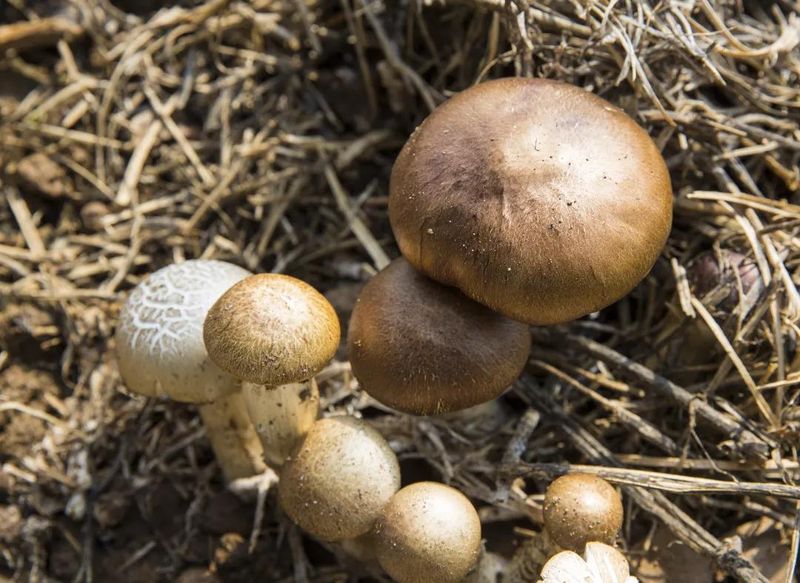
The edible bacteria can be classified by type of nutrition as rotting, parasitic, symbiotic, etc. The vast majority of the edible bacteria are decaying, while the vast majority of the wild edible bacteria that have not yet been domesticated are symbiotic。
Fertilized edible bacteria: refers to edible bacteria that extract nutrients from non-living organisms to sustain life. They usually live in places such as dead branches, roots or excreta of animals, or even animal bodies. Common are mushrooms, silver ears, mussels, monkey head mushrooms, lingzhi, golden needle mushrooms, etc。
Parasitic edible bacteria: refers to living parasitics or surfaces, from which nutritious lifestyles such as winter worm summer grasses, vermin grasses, walrus, etc. Are drawn。
Symbiotic edible fungi: refers to living with the respective organisms and developing interdependent, mutually beneficial relationships, such as bovine hepasis, chicken oil fungi, etc。
According to experts, we have recorded more than 1,000 wild eating bacteria, but fewer than 200 species can be planted artificially, some 60 species commercialized and more than 30 in the market. The central reason for this is that the nutritional type of the edible fungus, if symbiotic, cannot be planted in the short term。
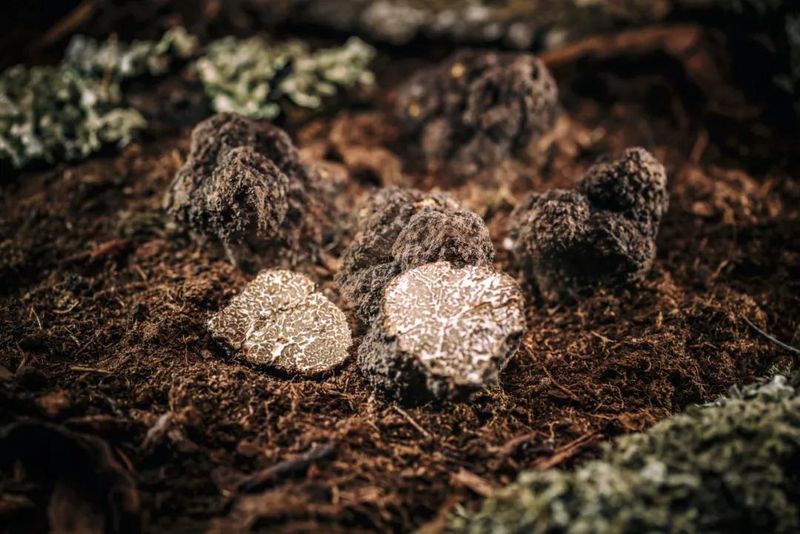
Artificial cultivation is basically possible if it is “decomposed”; if it is “symbiotic”, for example, it has to interdepend with living plants, most of which are not artificially grown; but there are also individual strains, such as microcosms (creas), which have now been practiced, with a longer cycle。
Why is the 05 rare
According to experts, the so-called rare fungus are artificially classified and refer to bacteria with low production (not suitable for large-scale artificial cultivation). Like common golden needles and mushrooms, which were once classified as rare-eat bacteria when they were produced in the past, the scale of production is now, naturally, a large variety, a rare concept that only divides the scale of production。
How long does it take to reach the mushrooms
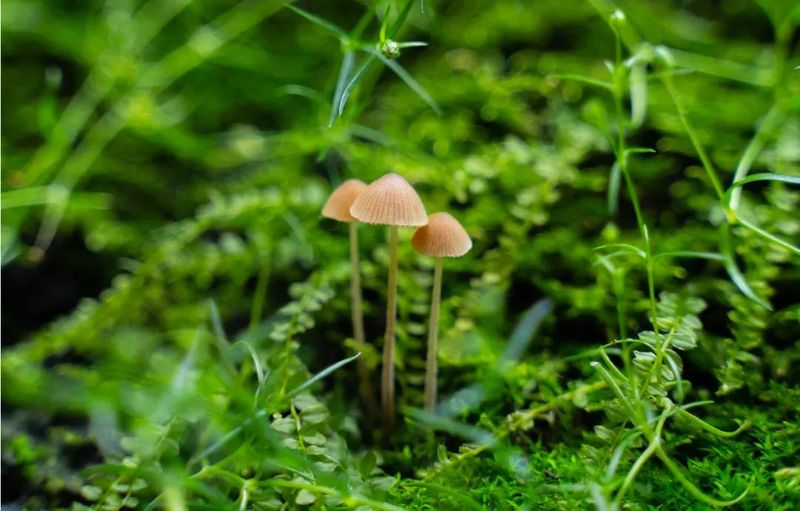
“the fast growth of the edible fungi, from planting to harvest, is about 60 days in most of the production, usually 30 days in which the fungi are produced, after the fungi has ended and moved to the scene of mushrooms, small mushrooms that are visible to the naked eye can normally appear in one or two weeks, and most of the edible bacteria can be harvested for another seven days. There are also, of course, particularly fast, the more recognized white cucumbers in places like yunnan, which range from seed to harvest for more than 20 days; and slower ones, such as sanye, which take years. Mushrooms and mushroom-showing sub-entities grow faster, usually in two hours, and if they are not harvested in a timely manner, the value of the commodity will be severely reduced.”
How high is the edible
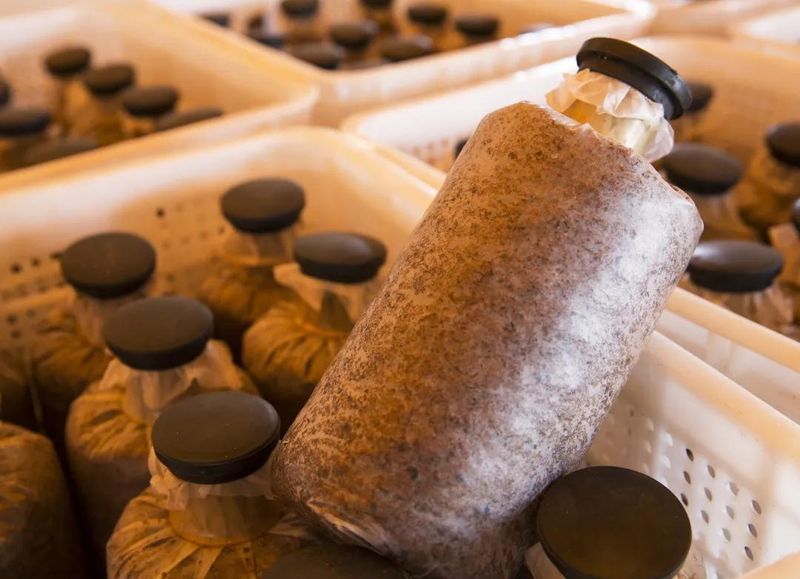
The growth properties of edible bacteria have created their amazing productivity. In facilities agriculture, the production of edible bacteria is the most efficient and has the characteristics of not competing for food, not competing for land, not competing for fat, not competing with agriculture, and not competing for other resources. Production of non-cultivated land, non-dipping of water, no need for sunlight, and the production of foot materials from agricultural forests, such as wood crumbs, crop straw, which can be used as feed and organic fertilizers, are typical efficient stereo-based agriculture, green ecology and triple-cycling agriculture。
According to the expert, he had visited a fungist enterprise, including a 50-acre gold-cre mushroom factory, which had three floors and produced 140 tons of golden mushrooms per day. In this way, an acre produces nearly 3 tons a day, and an acre can produce almost 1,000 tons of golden needle mushrooms in a year。
What's the biggest single organism in 08
Small-scale farmers have been curious, and if a mushroom is allowed to grow “infernally” without intervention, what does it look like? How long can it live
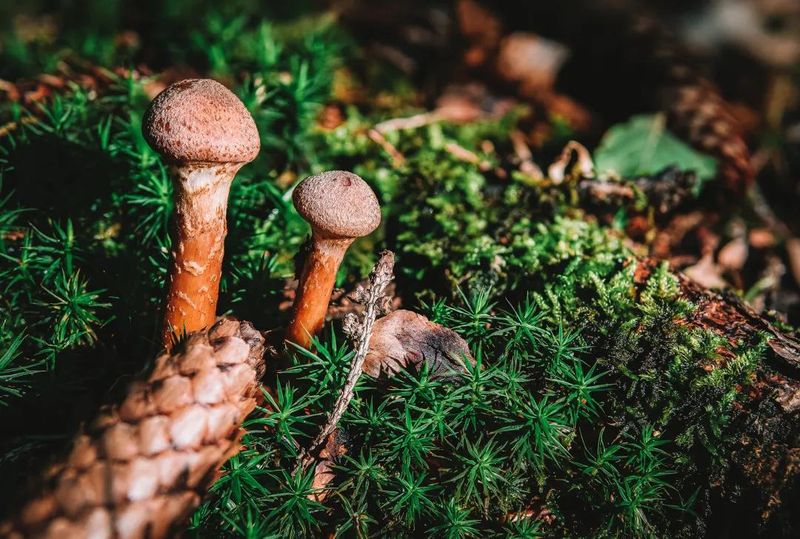
In 1998, a huge tree died of root decay in the malur national forest, oregon, united states of america. After exploration, scientists found that yellow mushrooms were always found between dead or sick trees in the forest, and experts immediately studied them。
Research has shown that the mushrooms are honey circulus, which are connected through myceloids, lie beneath the ground, at a depth of more than 3 metres, and that they contain the roots of the trees, extracting nutrients from the trees, which feed them. And they have grown into giant mushrooms, estimated to cover 965 hectares (about 1350 football fields) and weigh more than 400 tons, at least 2,500 years ago. In terms of weight, it's twice as big as a whale

This super-large mushroom
Can it eat
Small farmers are curious
We'll talk about it later
About the mushrooms
Scientific review: chinese academy of agricultural sciences
Institute for agricultural resources and zones
Deputy chief scientist, national system of technology for the eating bacillus industry
Sunshine
Correspondent: ji-joo