Old people who grow in rural areas in the north must have the same difficulties. In the north, where the heat of the spring is high and the cold of the spring is high, the fields are most vulnerable to the freezing of seedlings; rainfall is unevenly distributed after summertime, often without rain for dozens of days, and the ground is sorely dry that conventional food crops, such as maize, soybeans and grains, are seriously reduced when water is scarce. In addition to the steady prices of food purchases in recent years, agricultural and labour costs have risen from one year to the next, and the whole year has been on the back of the ground, eliminating the costs of seeds, fertilizers and pesticides, leaving one acre with little income, and many farmers find the land increasingly uneconomical。
Many want to adjust their farming structures, but do not dare to try them easily. Fearing new breeds, the cold drought in the north is destroying the entire army; fearing that technology is complex, that day-to-day management is labour-intensive and that they are too inexperienced to do so; and fearing that the seeds will become more difficult to find and that the final agricultural produce will be thrown into their hands。
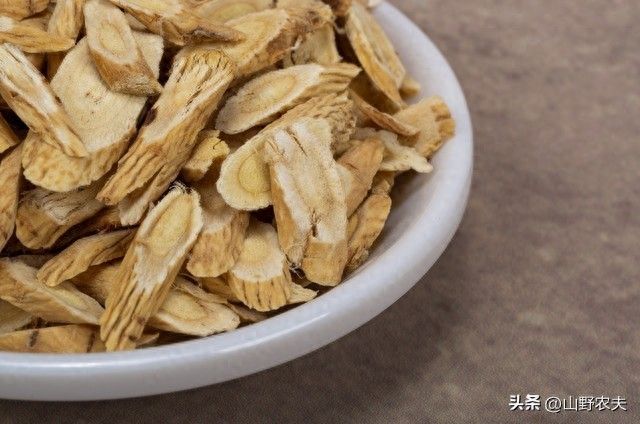
Today three types of chinese medicine are recommended to large farmers in the north for the current spring to sow heat: yellow tung, yellow tung and glycerine. All three are home-grown northern medicine that are inherently cold-resistant, drought-resistant, infertile and perfect for the dry, wind-intensive, day and night-temperature features of the north. Moreover, the overall management is extensive, with no daily crouching on the ground, and pests and diseases are far less numerous than food and vegetables. The market is constantly in demand, and pharmacists, pharmacists and tablets are constantly bought and sold. Whether it is hebei, shanxi, inner mongolia, north-east, north-west, or small-scale seedlings, or contracted land for scalable cultivation, it is a good choice。
This was followed by a combination of the northern spring farming practice, which described, respectively, the selection of the three drugs, the planting time, field management, harvesting processing and yield gains, together with a summary of the pits that were often stepped by new hands and general care techniques。
First, the status quo is clear: why are northern farmers increasingly willing to grow chinese medicine
Let's figure out how important it is to change cultivation. The traditional field crops in the north, for example, produce more than 1,000 pounds of normal year-time land, with the elimination of seeds, fertilizers, irrigation, labour costs, mostly net profits of several hundred dollars, and suffering from drought, pests and diseases, or even survival. Moreover, food crops are water-intensive, and in the spring, cold in the summer, drought in the summer and flooding in the rainy season, care is not at all relaxed。
The core advantages of the three types of medicine that reflect yellow, yellow and glycerine are significant. The first is that the resistance is strong, that it grows in the northern mountains for a long time, that it is safe to get through the winter to a lesser extent than a dozen degrees, that the spring seedlings are resistant to a mild fallout, that the roots are well developed, that the deep soils are strong enough to absorb water, and that it is not easy to die from severe drought, and that they are particularly friendly to dry, sloped and sanded areas with poor water sources. Secondly, management is simple, unlike vegetables, which require frequent watering, pharmacizing and whole branches, so that weeding is done during the seeding season, so that we can produce simple fat for the long term, and so that we can manage our farmers when we are idle, without delay. The third is market stability, which is common to large quantities of chinese medicine, pharmaceutical enterprises, the subsistence industry, and the processing of drinking tablets. Prices are flat and do not rise and fall like fruit and vegetables. The fourth is the wide range of land that can be cultivated in idle slopes, marginal wasteland and fertile sandy soil, which can be used for low-yielding land use and generate revenue。
Of course, chinese medicine grows longer than food, mostly for two to three years, and is a long-term benefit. But winning is less costly, less risky, and the combined benefits are higher, and it is a very high-priced transition for northern farmers who do not want to live with traditional food crops. Let's go one by one。
Ii. First type: yellow zen, northern place name medicine, top of sand slopes and high production
The “old brand” in the northern medium medicine is absolutely true. Inner mongolia, shanxi, hebei, shaanxi and northeast are traditional main production areas, and the popular expression “northeast qing, subcontinent” is sufficient evidence of the quality of the northern qin. Its roots are thick and deep, it is inherently afraid of drought, its favorite sandy, yellowy, low-lying and uncultivable land, and it is the first norm in the cultivation of yellow tungsten。
Spring time and seed processing
The northern spring period of gold broadcasting was concentrated in late march and late april, until the soil was completely unfrozen and the temperature stabilized at more than 8°c before planting. Early seeding, low temperatures, seeds that do not germinate are also prone to typhoid fallout; it is too late to sow and is shorter in the long term, affecting later yields。
The yellow seed is hard in its skin and has no access to water, and if it is distributed directly to the ground, the rate of seeding is uneven and sometimes for half a month. New hands must be impregnated: 24 hours of hot water immersed seed, around 40°c, and the leaching surface moisture can effectively break the hard-shells, and the seedlings are fast and ready. If the area under cultivation is large, the skin can also be slightly crushed to increase the gestation rate。
Land selection and seeding
Priority is given to high terrain, smooth drainage, well-lighted plots and sandy soils. Sticky soil must be improved early and mixed with around 30% of river sand to avoid the rooting of water after rain. Precipice crops would be better off with legumes and less severe diseases。
The whole land is to be cultivated at depths of 30 to 40 centimetres, and the earth is to be crushed and the stones removed. The bottom fertilizer is dominated by the fatty of mature farmers, with between 2,000 and 3,000 kg of farm fat per acre, and 2,300 kg of phosphorus, which is distributed evenly into the earth floor. The northern rain-fed area proposes to grow 15 to 20 centimetres up to ease drainage and flood control; arid plots can be flat and protected。
The seeding is based on a seeding line, with a distance of 30 to 40 centimetres, an open ditch that spreads the seeds evenly, covering between one and two centimetres, with light pressure on the soil. Well-intentioned plots do not have to be deliberately watered, and the soil itself is wet enough to produce seedlings; extremely dry lands are sowed with a small amount of permeable water, with a great deal of water。
The whole field's managed, the lazy can handle it
The slow growth of the yellow sapling period is a normal phenomenon, and there is no need to rush. The first priority of seedlings is weeding, small and small, weeds take nutrients, and in the first half of the year weeding can be done twice or three times manually, with as little as possible shallowing, without digging deep enough to avoid damage to shallow seedlings。
Watering follows the “no wetter” principle. In the spring of the north, when the soil is overdrived, small water is watered; when it enters the rainy season, the first time the drains are cleared, the fields must not accumulate water, and 90 per cent of the stale roots are caused by water。
We're going to go after the fertilizer twice. For the first time, seedlings grow to about 15 centimetres, mainly by nitrogen fertilizer, and grow a tree; for the second time, before and after flowering, phosphorus potassium fertilizer is replenished and the main root is boosted, a step that directly determines the production of dry goods. The effect of this increase is clear if the branches are not cut and the nutrients are supplied to the roots。
It is extremely cold-resistant, with the northern open air allowing natural winters, without special protection until winter, only to clear the leaves left in the fields and reduce the number of eggs and fungi in winter。
4. Collection, yield and revenue reference
The yellow haze cycle is usually two years old and can also be three years old. The longer the child is born, the stronger the roots, the better the quality of the dry goods and the higher the price of the goods sold. The best harvest period is when parts of the leaves die in the fall. Artificial or mechanical excavation, removal of soil, stubble root and drying up to the point where the goods are dry。
Under normal management, two years of production of dry yellow acres can reach 300 to 400 pounds, and the acquisition of land is now stable, removing seeds, fertilizers and labour costs, and the net profit of an acre is more than 2,000 yuan more than conventional food. Moreover, the storage of dry and dry cargo, which is not in good shape during the year, can be stored for price recovery and the risk is further reduced。
Iii. Second: yellow slurpium, low-prevalence disease, mountain drylands, main spring-breeding varieties
Yellow is also a hot choice for the northern spring, with extensive cultivation in inner mongolia, hebei, shanxi and gansu. It is more resistant to infertile growth than yellow thaws, with few diseases and pests, little use of pesticides in day-to-day management, lower planting thresholds, especially for farmers with primary exposure to chinese medicines. Yellow platinum is drugged with roots, while flowers can also be seen, given tea and added value。
1. Seeding time and plot requirements
The northern spring air is close to the yellow thaw, and the temperature is the most suitable place to sow at more than 8°c between late march and mid-april. Yellow platinum is unchallenged with soil requirements, and general farmland and hillside drylands can grow, with the exception of low-lying water. Soil fertility is sufficient, and too fertile the land tends to produce long plants, with no long roots, affecting yields。
The same applies to the whole area, which needs about 40 centimetres of deep cultivation, with 2,000 kg of fertilizer per acre applied to mature farmers, combined with calcium phosphate, potassium fat to be used as bottom fertilizer, and to be ready to sow。
Seeding and seed management
It is also possible to grow and grow live, and the northern diaspora has mostly chosen to do so, saving its energy. The length of the line is 25 to 30 centimetres, and the thickness of the land is controlled by about one centimetre, and the thickness of the soil affects the seedlings. The seed of yellow sprouts has a high gestation rate and, in a normal state of mind, it will be able to grow within a week or so。
When the seedlings grow to the two leafs, the seedlings are made, the seedlings are replaced, the seedlings are removed, and the plant is evenly distributed. The focus is on weeding during the seed season, which can be done twice throughout the first half of the year, prohibiting the use of strong herbicides and vulnerable to injury to seedlings. When weeding, the surface of the ground is shallow and not more than three centimetres deep。
3. Elements of long-term care
The capacity to withstand drought is overwhelming and there is no need for frequent water throughout life. In the spring, extreme drought occurs, with small quantities of water rechargeed when the seedlings contract; the summer rainy season focuses on flood prevention and timely drainage。
During the summer high temperatures, the plant is easily fertilized, fully nourished and root growth slows. This phase does not involve fatting, proper water control, inhibiting part of the rise in the ground and directing nutrient transfers to the root. Until the fall period of expansion, a small amount of potassium phosphorus fertilizer is replenished to improve the production and quality of dry goods。
In the north, cold resistance is safe and safe in the open during the winter, the resilience to cold springs is better than for most crops, and recovery is rapid after a slight freezing of seedlings in the spring. The incidence of diseases and pests is extremely low throughout the year, and there is little need for pesticide spraying in normal years, and cultivation is much less likely。
4. Harvest processing and market conditions
The yellow plume grows for a period of two to three years and produces the best production and quality for three years. The fall leaves are yellow, the sand is removed, the strip is cut or the whole tan is dry and then the product is finished. Standardized plots with a three-year production capacity of between 320 and 450 kg of dry acre and approximately 200 kg of ordinary drylands。
The market demand for yellow is stable and the pharmacies, tablets and tea industries have been buying and prices have remained stable for years. Combined acre benefits are significant because of low management inputs and low use of pesticide fertilizers. Many growers will also collect and sell yellow flowers, adding an additional revenue。
Iv. Third: glycerine, desert drylands exclusive, resilient, multi-year benefits from a single planting
The term licensin, known as “twice herbs”, is used in a very large quantity of chinese medicine and is widely used in the food, flavour and solar industries, where market demand remains high. It is the most drought-resistant, saline-resistant and infertile species of three medicinal products, especially suitable for dry sand, saline and beach cultivation in the west, north-west, and the better for glycerine。
Springtime and plot selection
The northern glycerine spring spreads between early april and late april, a little later than the yellow and yellow planting season, waiting for the temperature to be completely stabilized and avoiding the effects of late frost. Glycerine is inherently unsatisfied, with high-lying, well-lighted and well-watered sand, gravel and light salin lands that many crops cannot sustain。
The root system of glycerine is so deep that deep cultivation is conducive to its extension. Bottom fat is dominated by farm fat, less nitrogen fat and less growing. Heavy adhesive land, water-stretching plots are strongly unsuitable for the cultivation of glycerine。
Seeding and day-to-day management
Glycerine can be broadcast live and can reproduce with roots that produce faster and more dynamic seedlings and are suitable for farmers with seedlings. Direct seed broadcasting also requires leaching to increase seedling rates. It is about 35 centimetres away, with two centimetres covered by the earth, and then presses the shield。
Glycerine seedlings grow slowly, before weeding is done to ensure that the fields are free of weeds. After living, life becomes extremely resilient and will not die, even after decades of drought. The total number of long-term water recharges is limited, only during extreme drought during the spring season, and the rest of the time is fully dependent on natural precipitation。
The pursuit of fattening is dominated by potassium phosphorus fertilizer, with a small amount of fatting in the upper stages of the expansion of the root system each fall, promoting root growth. The licorice is so powerful that it is not deliberately integrated in the field, and management is the most extensive of the three drugs。
In the low-temperature northern winter, the root system of glycerine is safe from winter, growing at once for many years, and land use is extremely high。
Collection and proceeds
The glycerine growth cycle is usually two to three years of harvest, after which the soil is removed from the ground, the straw is removed, and it can be marketed when it is completely dry. Because of its strong suitability for marginal lands, many wasteland, sandland, which cannot grow food, are converted to spoilage after planting glycerine. Market supplies are constantly scarce, acquisition channels are open, prices are stable, and there are real revenue-generating projects for farmers in the drylands of the north。
V. A composite comparison of the three varieties, chosen as needed, without new ones the pit
A simple combo is made available to all, taking into account the different geographical and plot conditions of the north, so that you can enter the seat。
If the family is an ordinary agricultural land, a frontier land, a semi-arid land, in order to generate a sound harvest, preference is given to yellow tungsten, with the highest market recognition, high land quality premium and stable aggregate returns。
If the family is mountainous, thin, and fertile slopes, it seeks the simplest management, the least ill, the first choice is yellow, the first one is difficult and suitable for the first drug。
If the family is sandy, wastey, light saline, land with chronic drought and low rainfall, conventional crops are not well grown, they directly choose glycerine, maximize the use of idle land and profit from a single planting for many years。
The three common strengths are: cold tolerance, drought resistance, winter resistance, management of rough, few pests and diseases, high suitability in spring and stable marketing. Common focus: all are afraid to accumulate water, and drainage is always the first priority, regardless of the type。
Vi. A guide to the general sheltering of medicine from the northern spring, lessons learned by old farmers
A large number of people have reduced their production and lost their crops, not because they were wrong, but because the details were not in place. Taking into account the characteristics of the northern climate, it is useful to summarize the main points of the core pits。
First, there is a strong rejection of low-lying watersheds. Yellow, yellow, yellow and glycerine are all deep-rooted drought-resistant varieties, and the roots of long-term water bubbles are bound to rot, preferring to be planted in high drylands rather than low-lying areas. Early clearance of drains before the rainy season。
Secondly, seeds must be pretreated. The three varieties of seeds have hard characteristics, with poor direct seeding, late seeding and short spring window periods, which are equivalent to a year-long delay in yielding, and steps to impregnate and grinding seed skin cannot be avoided。
Thirdly, weeding is not lazy. The chinese pharmacists are young and weak, and the grass can't be taken in the early stages. The first two weedings are the basis for high yields. Man-made herbicides are used as much as possible, and herbicides are used with caution to avoid the root causes of the drug。
Fourthly, water should be watered rationally to prevent flooding. The drought in the north and the habit of draughting the land are taboos. The medicine is produced for a long period of “dry spots are fine and inundated” and, when water is scarce, small quantities of water are infested and wet。
Fifth, scaling up step by step. Instead of contracting large areas of dozens of acres in the first year, the newcomers would first produce one or two acres of seeding, map the seeding, management, harvesting techniques under the local climate, map the local acquisition channels, accumulate experience and expand them to minimize the risk。
Sixth, value the quality of the tunnel and not blindly pursue speed. The three types of medicine produced in the north are themselves potions that reduce the use of fertilizers, pesticides and produce high-quality dry goods in order to be sold at high prices and increase the price differential between common goods in the field。
Vii. Response to geographical equipment in the place
The weather conditions in the northern region, which are short-lived for traditional food crops, are the “gold environment” in which medicinal products grow in the three categories of yellow, yellow, and glycerine。
In the past, traditional patterns of cultivation had been adhered to, with annual cropping and declining profits. Today, we have adapted our thinking to take advantage of the natural conditions that are unique to the local environment, so that we can grow cold, drought-resistant and easy to manage chinese medicine, without having to invest too much labour, without having to use frequent water for medicine, and without having to move the slopes, sand and thin ground. The two- to three-year growth cycle, in exchange for far-reaching gains from food crops, and stable market outlets, dry storage and greater risk resistance。
In the spring, when farming takes place, farmers who intend to adjust their farming structures may choose suitable varieties, taking into account the type of land they own, the water conditions. To maximize the value of land, it is necessary to generate more money than to keep abreast of the wind and learn to avoid it because it is appropriate. It is believed that these three subterranean pharmacists will become new options for farmers in the north to grow in spring。