According to the national classification of economic industries (gb/t4754-2017) issued by the national statistical office, the high-performance copper platinum industry belongs to the “c3985 electronic material manufacture” of “c398 electronic components and electronic proprietary materials” of “c399 computer, communications and other electronic equipment manufacturing”。
According to the csrc's classification guidelines for listed companies (revised in 2012), the high-performance electrolytic copper platinum industry belongs to the “c39 computer, communications and other electronic equipment manufacturing”。
According to the commission's directory of guidance for priority products and services in strategic and emerging industries (2016 edition), copper platinum products in the high performance electrolytic copper platinum industry are the priority products in strategic and emerging industries, and are subordinated to the “1. 3. 4 high-end storage capacity” of “3. 2. 2 high-performance non-ferrous metals and alloys” and “1. 3 electronic core industries” in “3 new materials industry” and “1 new generation information technology industry”。
1. Sector authorities and regulatory framework
According to the 2022 analysis of china's high performance electrolytic copper barn industry - projection of environmental and development opportunities in industry marketing, published by the study and research network, the high performance electrolytic copper platinum industry is currently largely managed by government departments and industry associations. The industry authority is the ministry of industry and information technology of the people's republic of china, and industry self-regulatory organizations include, inter alia, the china electronic materials industry association (cemia), the china electronic materials industry association (ccfa), the china chemical and physical power supply industry association (ciaps) and the china electronic circuit industry association (cpca)。
(1) industry authorities
The ministry of industry and communications is responsible, inter alia, for proposing strategies and policies for the development of new types of industrialization, coordinating the resolution of major problems in the new industrialization process, formulating and organizing development plans for industry, communications and information technology, promoting strategic restructuring and upgrading of industrial structures, and promoting the integration of information and industrialization; formulating and organizing industrial plans, plans and industrial policies, formulating policy recommendations for optimizing industrial layout and structure, drafting relevant legislation and regulations, formulating regulations, developing technical norms and standards for the industry and organizing their implementation, and guiding industry quality management; monitoring and analysing industry performance, statistics and publishing relevant information, forecasting early warning and information guidance, coordinating the resolution of problems related to the development of industrial operations and formulating policy recommendations。
(2) self-regulatory organizations
The china electronic materials industry association (cemia), established in 1991 under the leadership and organization of the former ministry of electronics industry, is a voluntary national, industry-based social group of enterprises and social organizations involved in the electronic materials industry. Its main functions are to assist government departments in industrial management; to provide information advisory services; to take stock of experiences in exchanging business conversion mechanisms, participating in market competition and establishing modern enterprise systems; and to coordinate economic, technical and technical cooperation and exchanges within and between industry and related industries, to promote technological advances in enterprises and industries, and to improve product quality and management。
The china electronic materials industry association (ccfa) is a branch of the china electronic materials industry association (cemia), which is a national, non-profit, non-profit community of over 20 copper milling enterprises and associated equipment, accessories, raw materials production enterprises, agents of copper mills and equipment abroad in china, research institutes and institutions involved in the study of copper milling technologies and equipment, and design and information institutions。
The china chemical and physical power industry association (ciaps) is a national, industrial, non-profit social organization made up of resources from the battery industry. Its main functions are to inform the government of the wishes and requirements of its members, to inform them of its policies, laws, regulations and to assist in their implementation; to conduct the collection, analysis and exchange of technical, economic and market information on the industry; to organize and revise the standards of associations in the battery industry, to participate in the drafting and revision of national and industry standards and to promote their implementation; to assist in the preparation of the battery sector development plan and industrial policy; and to carry out quality testing of products, evaluation of scientific and technological results and promotion。
The china electronics and circuit industry association (cpca) consists of enterprises that produce the original materials, such as the pcb, the cccl, the specialized equipment, and some of the electronics and smts and the ems, as well as relevant scientific research institutes, with nine national second-tier chapters. The association engages a wide range of enterprises in the development of industry standards; participates in the development of customs terminology and mono-consumption; edits and publishes the publication of electronics information newspapers and professional books; hosts annual international electronics fairs, the international pcb information/technology forum; conducts skills training for employees and lectures of various kinds; conducts industry surveys and publishes annually the china electronics industry list; publishes annual industrial development reports, etc。
2. Main laws and regulations and industrial policies of the industry
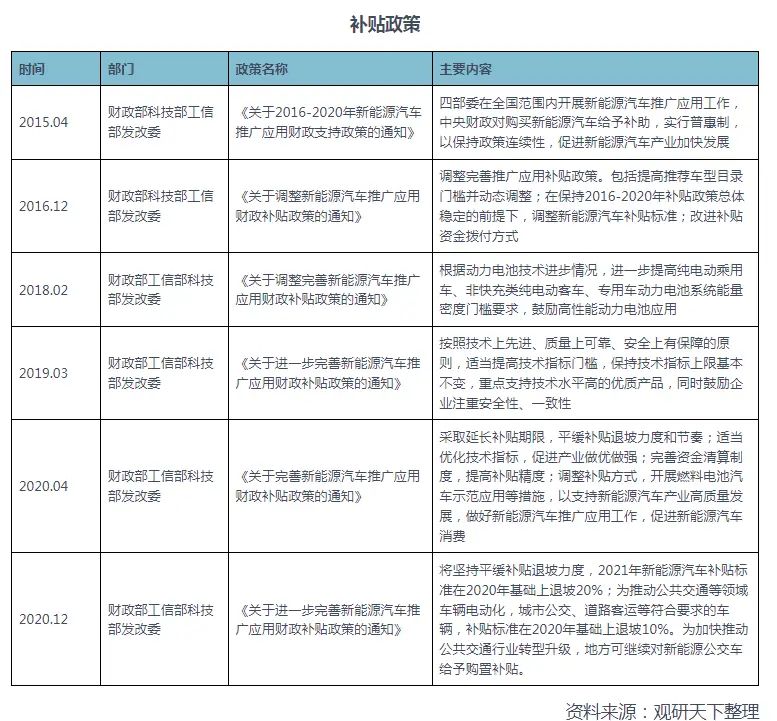
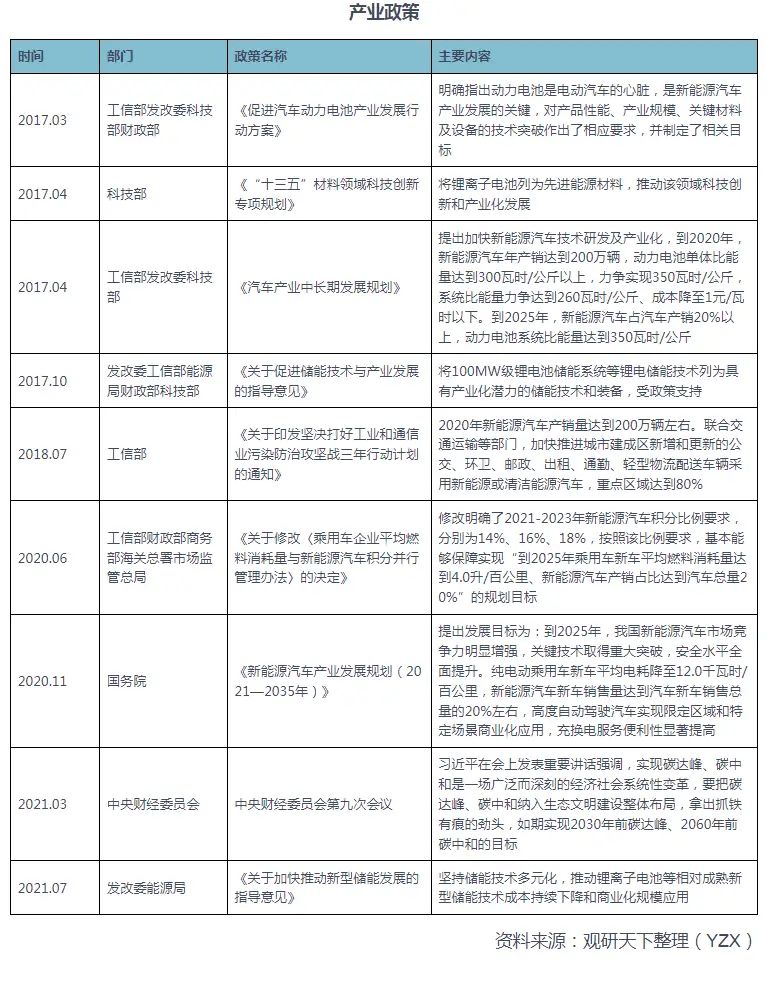
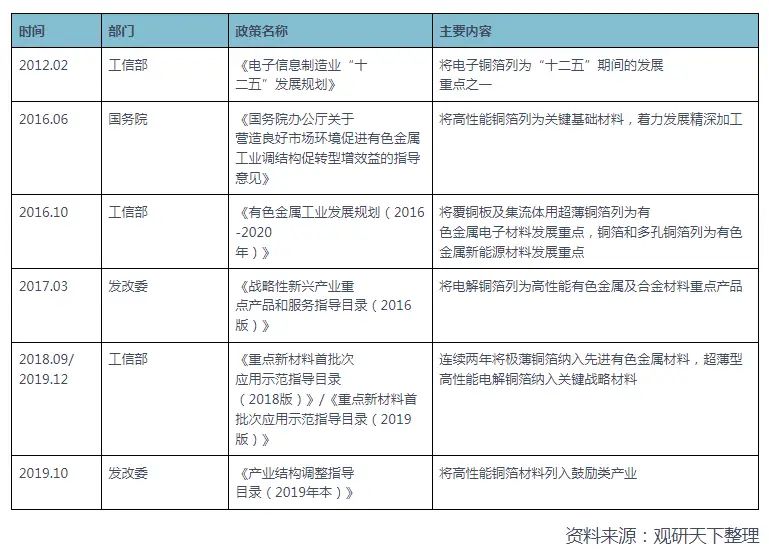
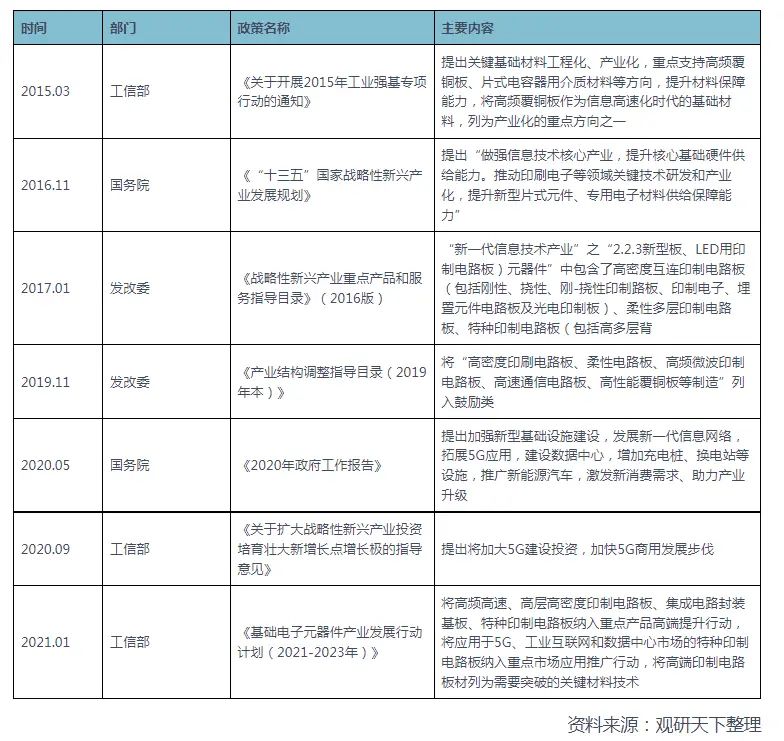
Lithium copper platinum and copper plating in electronic circuits are widely used in the production of two main downstream industries: circuit boards and lithium batteries, and industrial chain terminal applications cover a wide range of areas such as communications, consumption of electronics, new energy vehicles and storage capacity. In recent years, the state has included a new generation of it and new energy automobile industries in a strategic and emerging industry. It has introduced a series of industrial policies to develop the downstream production of circuit boards and lithium batteries, and has continued to focus on the electrolytic copper platinum products as key strategic materials
(1) copper rim industry
(2) printing circuit boards industry
(3) new energy automobiles and lithium ion batteries