In-depth analysis of seo fundamentals: access to flows and ways to upgrade ranking
In the area of stand-alone promotion and network marketing, seo is one of the core means of obtaining free traffic. This paper, which combines two critical dimensions, will provide you with a systematic analysis of the underlying principles of seo, including how to capture traffic from search engines and how to better rank content in search results。
I. Bottom logic of the search engine bringing traffic to the site
To understand seo, it is important to understand why the search engine brings traffic to the site. The core logic is that users search for specific keywords in the search engine, and if your website content appears in the relevant search results and the user clicks it, the traffic is imported into your website。
In order to achieve this process, the content of the website would first have to be captured by a search engine. The difficulty of recording different search engines varies:
- the relative difficulty of being recorded at 100 degrees
- it is much simpler to be entered in google, as long as the content is not completely copied and can be recorded without additional operation。

However, simply being recorded is not enough, and two key conditions need to be met if there is to be real access to traffic:
1. Content is what the user needs: your content must match the search needs of the user, the information they really want to understand
2. Search rankings are ahead: when the user searches the relevant keyword, you need to be at the forefront of the search results to get enough hits。
Ii. How to get content ahead of the search engine
For content rankings to be advanced, they need to be broken down from the “interest logic” and “relevance” levels of the search engine。
(1) understanding search engine interests
The core objective of the search engine is to capture the flow and realize its liquidity. The source of traffic is the user's choice — the user's choice of a search engine is because it allows the user to quickly access what it wants。
So, the core task of the search engine is to determine the true needs of the user when searching for a word, and to rank the most matching content at the top. This process is known as the “calculation of relevance”。
(2) calculation of the relevance of the search engine dimensions
The search engine assesses the relevance of content to keywords mainly from two dimensions:
- dimension i: content itself
The matching of content with search terms is judged by analysing the subject matter of content, the density of keywords, etc. For example, the keyword "seo fundamentals" has appeared repeatedly in an article and the search engine would consider it highly relevant. However, this approach is prone to cheating (e. G. Malicious use of keywords) and therefore the search engine does not rely solely on it。
- dimension 2: extralink support
If a peer or authoritative website adds a link to your content (i. E. A link to your website), the search engine will consider your content to be more authoritative and relevant, thereby raising the ranking。
It needs to be noted that the out-chain of garbage can be counterproductive, which may reduce the weight and relevance of your website. Therefore, if the quality external chain of a peer or authoritative website is not available, it would be preferable not to do so。

Iii. Strategic strategies for seo holding
Taking into account the above principles, it is important that seo focus on the following two points:
1. Generating quality content around keywords
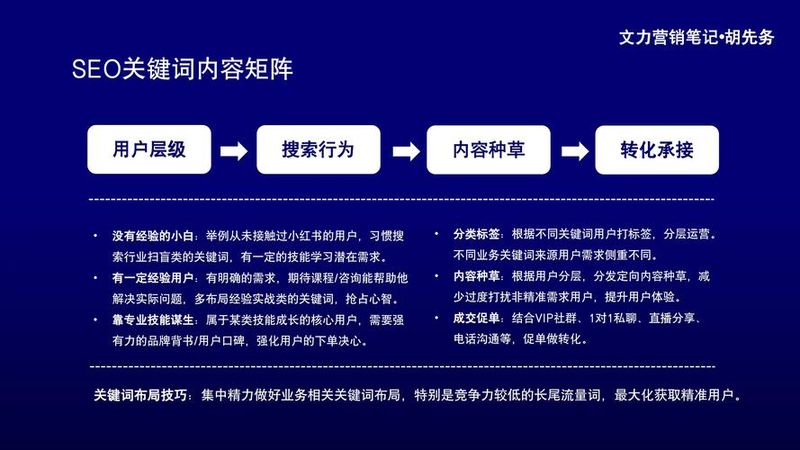
First, through keyword research, you find the words that users search for your products or services, and then you create high-quality content around them that meets the needs of users。
2. Access to quality external chains (when available)
Attempts to obtain external links from industry counterparts or authoritative websites further enhance content relevance and authority. However, it is important to avoid waste chains and small losses。
By understanding these seo fundamentals, you can plan more clearly the flow acquisition path of independent stations, allow content to be better represented in search engines and provide continuous precision for independent stations。