With a view to effectively curbing the criminal activity of illicit cultivation of narcotic plants and effectively beginning the 2025 ban on eradication of drugs, the jinning police station of the kunming city public security bureau of yunnan province, in the joint anti-drug unit of the central drug unit, has been active in carrying out special anti-stoking operations in priority villages and areas of the district, including in the fields, in front of the house, on the corner of the roof and on the slopes。
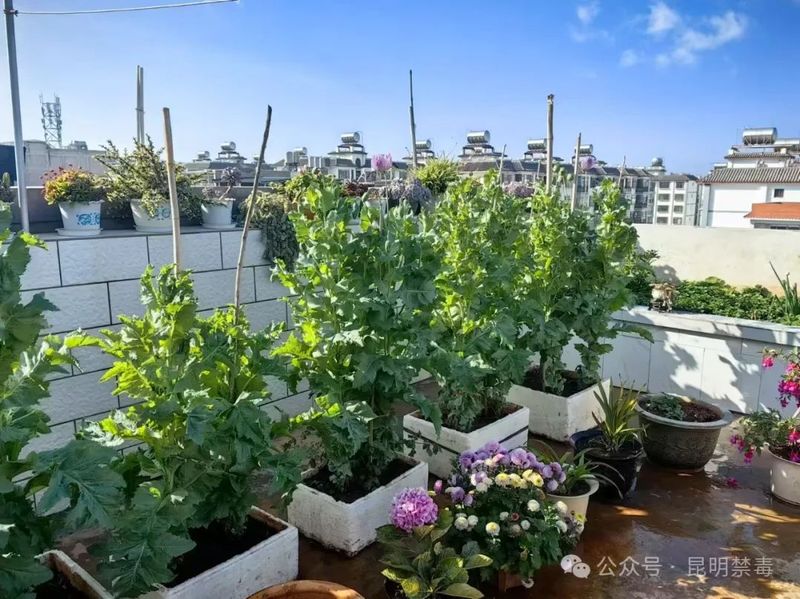
In recent days, when the public security department of kunming city, yunnan province, together with the anti-drug unit of the jinjin police station, carried out an anti-saping survey at the north end of jinh city street, it was discovered on a roof that several pots of drug poppy had been planted. The police officers of the police station immediately proceeded with the eradication, after which a total of more than 10 pieces of opium poppy had been cleared。
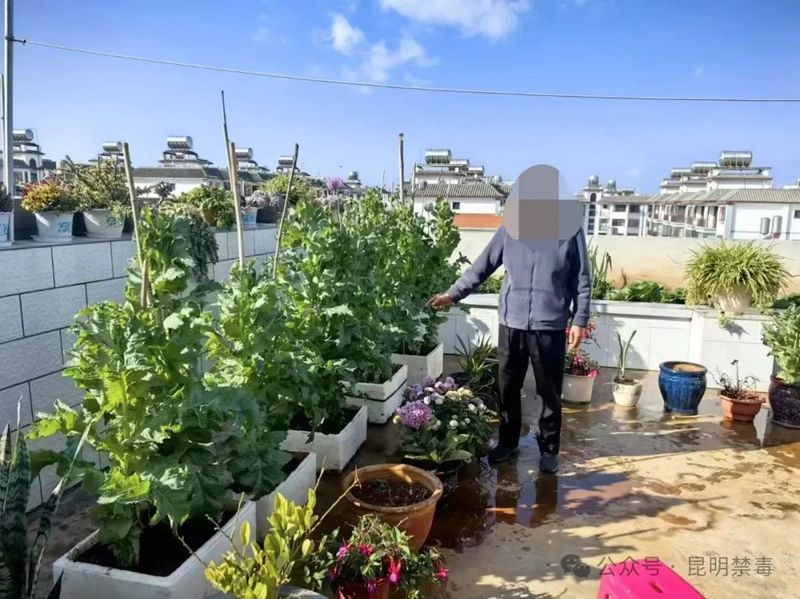
Currently, the jincheng police station will punish li for the illicit cultivation of opium poppy. As a next step, the anti-narcotics brigade will increase the awareness and control of drug plant cultivation in the jurisdictions at the police stations of the jurisdictions to reduce the cultivation of drug plants in the jurisdictions。
Anti-drug classes
Poppy is the most common and common strain of poison, because its colour is also known as “the flower of evil”. However, there is a plant that, because of its appearance and colour, is very similar to, and is often confused with, the drug plant poppy flower, which is a danger to beauty. Premium and opium poppy are the same as opium poppy, and the following approach allows for a distinction between the two different plants, thus recognizing the true nature of the drug poppy。

Poppy is the main drug plant that extracts opium
Eating poppy seedlings can lead to addiction, poisoning, mental behaviour change and other health problems
Addiction: poppy seedlings are highly addictive and contain bioalkalis such as morphine and heroin. Persistent consumption or abuse of these substances can lead to physical and psychological dependence. Many countries prohibit or severely restrict the cultivation, production and sale of untreated opium poppy, as it can be used to produce drugs。
Poisoning: ingestion of large amounts of opium poppy bioalkali can lead to poisoning, symptoms such as respiratory difficulties, slow heartbeats, reduced pupils, comas, and even death。
Mental behaviour change: poppy bioalkali can lead to mental and behavioural change, including euphoria, sleep addiction, low concentration and reduced judgement。
Other health problems: long-term consumption or abuse of poppy bioalkalis can lead to many health problems, including liver and kidney damage, cardiovascular problems, immune system suppression, etc。
Anti-narcotics laws and regulations
1. The law of the people's republic of china on drug control
Article 19 state control over the cultivation of narcotic drug plants. Illicit cultivation of opium poppy, coca bush, cannabis plant and other plants under state control that can be used for the extraction and processing of drugs is prohibited. It is prohibited to smuggle or trade illegally, transport, carry or hold raw seeds of narcotic plants or seedlings。
Law of the people's republic of china on administrative penalties for security
Article 71 shall be punishable by detention for 10 to 15 days and a fine of up to $3,000; if the circumstances are less serious, by detention for up to five days or a fine of up to $500:
(i) illicit cultivation of less than 500 or other small quantities of narcotic plants
(ii) illicit trade in, transport, carry and hold small amounts of raw drug plant seeds, such as raw opium poppy, or seedlings
(iii) the illicit transport, trade, storage and use of small quantities of opium poppy shells。
The first act in the preceding paragraph shall not be punishable if it is self-destructed before maturity。
3. Criminal law of the people's republic of china
Article 350
The illicit cultivation of narcotic plants such as opium poppy and cannabis is enforced. A term of imprisonment of up to five years, detention or control and a fine shall be imposed if:
(i) the cultivation of more than 500 opium poppy plants and less than 3,000 or larger quantities of other drugs
(ii) growed after treatment by public security organs
(iii) resistance to eradication。
The illicit cultivation of more than 3,000 opium poppy or other drug plants is punishable by a term of imprisonment of more than five years and a fine or confiscation of property。
The illicit cultivation of opium poppy or other narcotic plants, which is automatically eradicated before harvest, is exempt from punishment。
Article 302
The illicit sale, transport, carrying, possession of seeds or seedlings of narcotic plants, such as undefunct opium poppy, is punishable by imprisonment, detention or control for up to three years and by a fine or a single fine。

Poppy can't cure the disease, it's even less edible
Don't listen to the rumors
Whatever the motive
No matter how much it takes
The private cultivation of opium poppy is illegal
They'll be punished by law
Once illicit cultivation of narcotic plants is detected
Please call 110 immediately