I. What is a drug plant?
The drug plant refers to the opium poppy, coca plant, cannabis plant and other plants under state control that can be used for the processing of drugs。
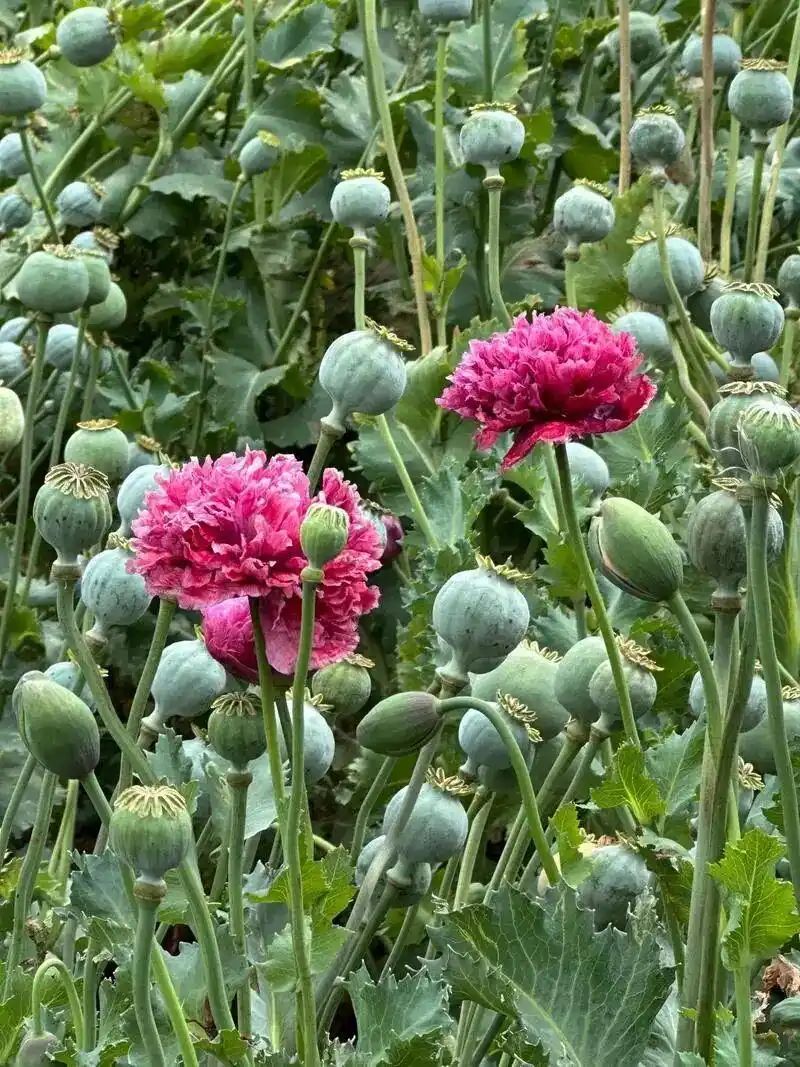
Opium poppy
Poppy is the main raw material for the production of opium and is currently legally cultivated in our country, but only for drug research or production。
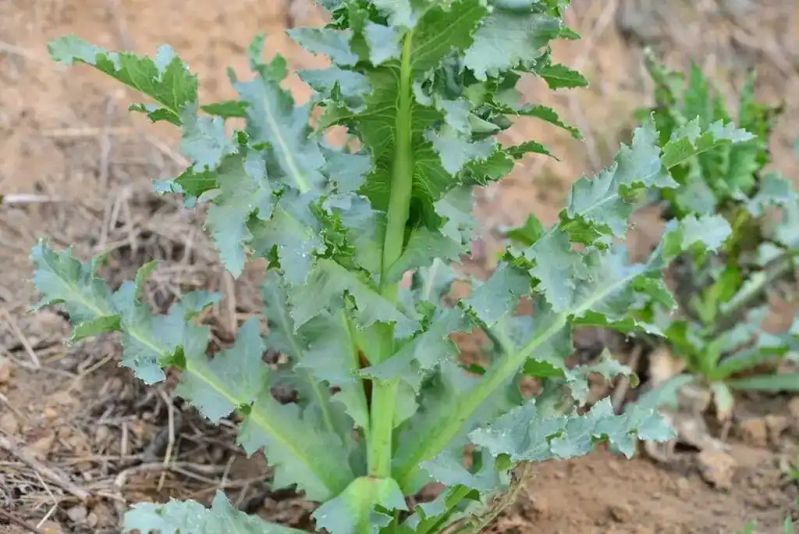
Poppy omelet or long circle elliptical, hairless, maturated brown, beehive-like, small and large, black or dark grey. The juice extracted from the nuts can be processed into opium, morphine and heroin。
Long-term consumption of opium poppy is prone to addiction, followed by extreme excitement in initial contact, followed by thirst fatigue, sleep addiction, confusion and associated nausea, which further exacerbates symptoms as addiction increases, in the form of slower pulses, unconsciousness, reduced body temperature, loss of reflection and, in serious cases, death from respiratory central paralysis。
Cannabis
Cannabis is an annual plant containing more than 400 chemicals, more than 60 of which have similar chemical properties and are collectively referred to as cannabinoids。
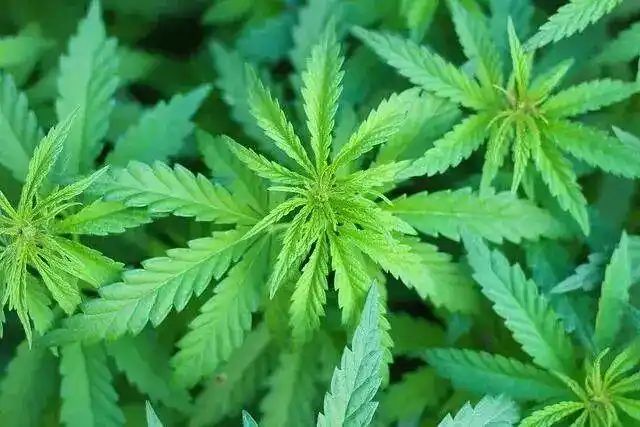
The most typical characteristic of cannabis is the leaf blade of its palm, which has a dimpled leaf. The presence of tetrahydrocannabinol is a powerful hallucinogen in cannabis strains, especially in vagrator resins. Inhalation can lead to hallucinations, distortion of consciousness, etc。
The long-term high-dose use of cannabis can cause brain disease, severe behavioural damage, immune system inhibition and neurosis。
Coca plants
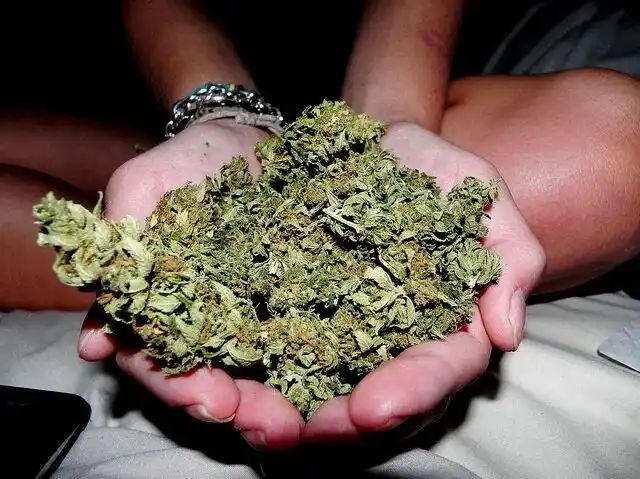
Coca-producing areas in the high mountains of south america are one of the major local niches that can be produced as medical local anesthesia. Cocaine (cocaine), which can be extracted, is used mainly for the manufacture of drug cocaine。
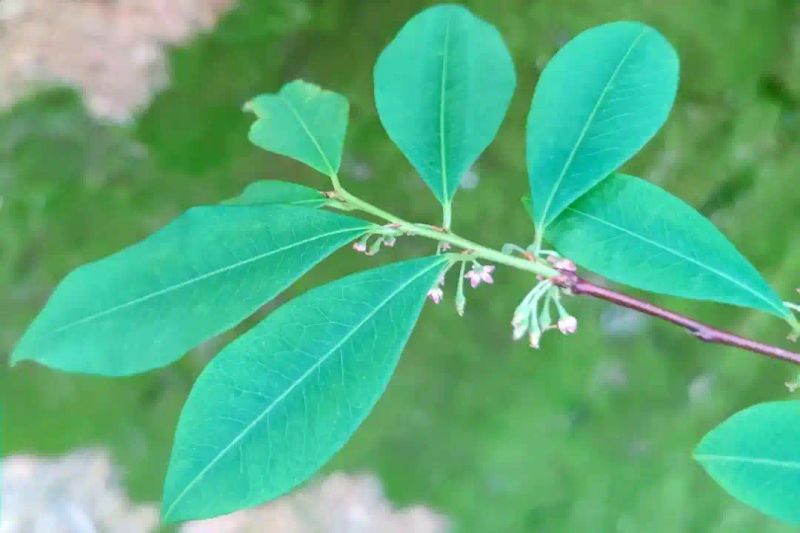
Cocaline (cocaine) is one of the most important bioalkalis separated from coca leaf, a central nerve stimulants and a local anaesthetic。
The use of cocaine can create a high degree of psychological dependence, long-term consumption can lead to mental disorders and can give rise to sensory and sniffing hallucinations, most typically through sub-skinned ants, itching, severe scratches and even amputations, emotional instability and vulnerability to violence or assault。
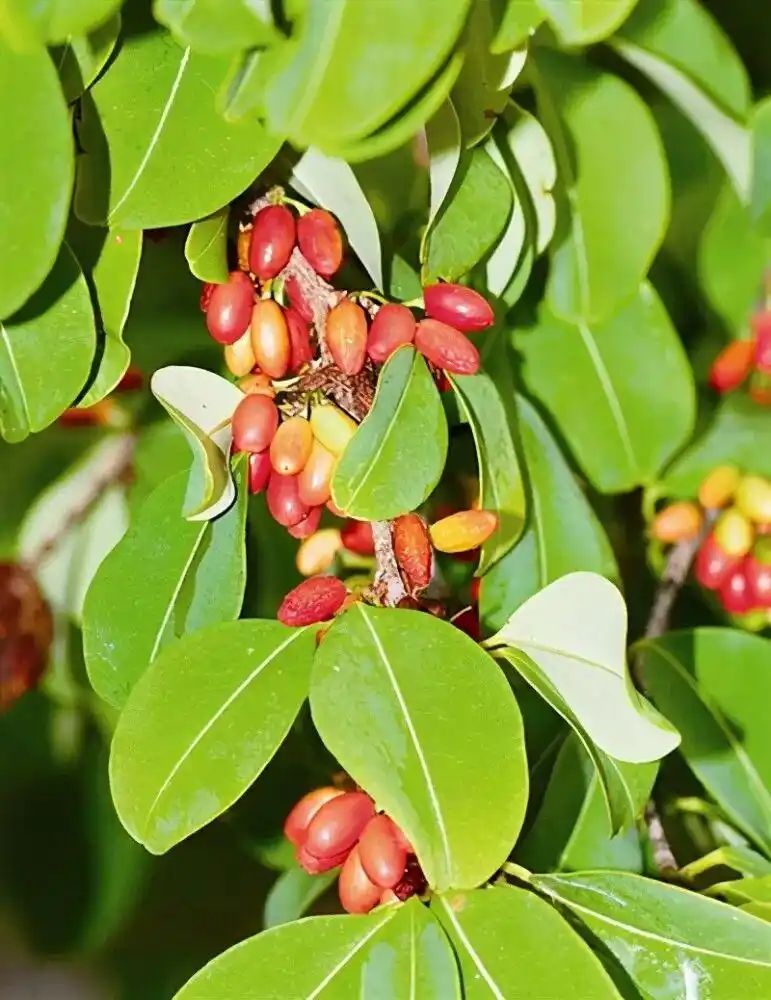
Chet grass
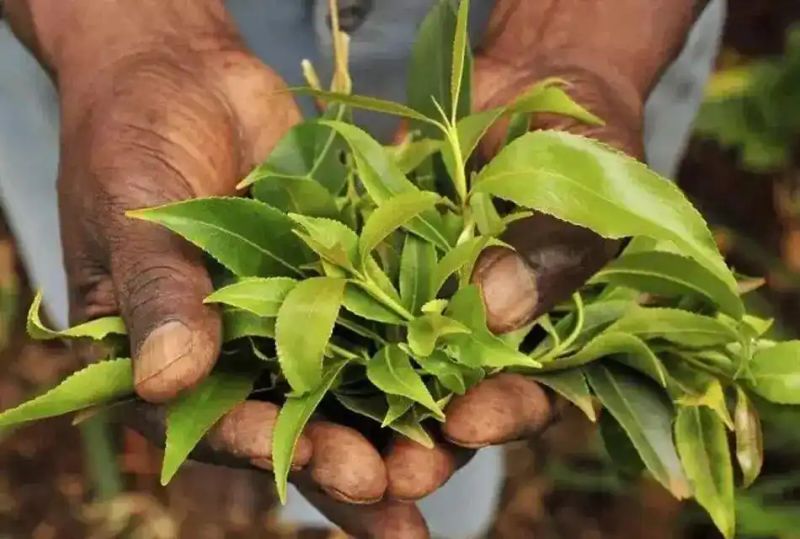
Chaitgrass, also known as khat, yemeni tea, is a hyena-based tea plant spread over tropical africa, ethiopia, the arabian peninsula and china's hainan and guangxi。
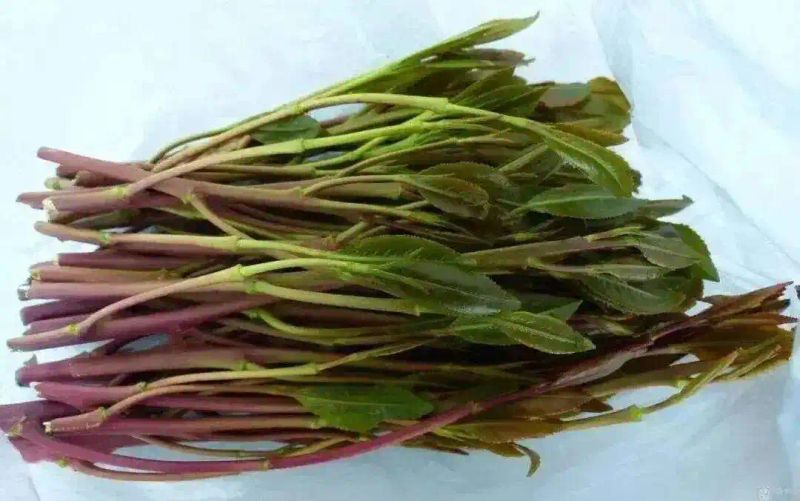
Chet grass resembles the market-fresh vegetables, fresh chat grass usually chews directly, and if it drys up, its appearance is like tea, which can be washed with water for long periods of time, makes it more dependent and gives rise to mental depression and intermittent hallucinations, while reducing appetite and immunity and increasing the risk of cardiovascular disease and oral cancer。
What are the legal responsibilities for the illicit cultivation of narcotic plants?
1. Violations of the law of the people's republic of china on counter-narcotics are punishable by law。
Article 19 state control over the cultivation of narcotic drug plants. Illicit cultivation of opium poppy, coca bush, cannabis plant and other plants under state control that can be used for the extraction and processing of drugs is prohibited. It is prohibited to smuggle or trade illegally, transport, carry or hold raw seeds of narcotic plants or seedlings。
People's governments at all levels at the local level should take immediate measures to stop and eradicate illicit cultivation of narcotic plants. Villagers ' committees and residents ' committees should stop and eliminate the illicit cultivation of narcotic plants in a timely manner and report it to the local public security authorities。
Article 59 criminal liability shall be imposed in accordance with the law for any of the following acts, which constitute an offence, and shall not yet constitute an offence, and shall be punishable by law for the administration of public order:
(i) the smuggling, trafficking, transport and manufacture of drugs
(ii) illegal possession of drugs
(iii) illicit cultivation of narcotic plants
(iv) illicit trade in, transport, carry or hold raw seeds of narcotic plants or seedlings
(v) illicit teaching of the methods of manufacture of narcotic drugs, psychotropic substances or perishable chemicals
(vi) forced, seduced, abetted, defrauded, or injected drugs
(vii) the supply of drugs to others。
Article 63。
2. In violation of the criminal law of the people's republic of china, he shall be sentenced to control, detention and even imprisonment。
Article 350
Illicit cultivation of narcotic plants
The illicit cultivation of narcotic plants such as opium poppy and cannabis is enforced. A term of imprisonment of up to five years, detention or control and a fine shall be imposed if:
(i) the cultivation of more than 500 opium poppy plants and less than 3,000 or other drug plants
(ii) growed after treatment by public security organs
(iii) resistance to eradication。
The illicit cultivation of more than 3,000 opium poppy or other drug plants is punishable by a term of imprisonment of more than five years and a fine or confiscation of property。
The illicit cultivation of opium poppy or other narcotic plants, which is automatically eradicated before harvest, is exempt from punishment。
Rule 302
[illicit trade, transport, carrying, possession of drug seed, seedlings]
The illicit trade in, transport, carrying, possession of seeds or seedlings of narcotic plants, such as undefunct opium poppy, is punishable by imprisonment, detention or control for up to three years, or by a single fine。
Violations of the law of the people's republic of china on the punishment of public security administration are punishable by fines or administrative detention。
Article 83 any person who:
(i) illicit cultivation of less than 500 or other small quantities of narcotic plants
(ii) illicit trade in, transport, carry and hold small amounts of raw drug plant seeds, such as raw opium poppy, or seedlings
(iii) the illicit transport, trade, storage and use of small quantities of opium poppy shells。
The first act in the preceding paragraph shall not be punishable if it is self-destructed before maturity。
Article 86. Anyone who illegally produces, deals in, buys or transports raw materials and preparations used in the manufacture of drugs in violation of national regulations shall be detained for a term not exceeding 10 days and not exceeding 15 days; if the circumstances are less serious, he shall be detained for a term not exceeding 5 days and not exceeding 10 days。
Iii. What happens when drug plants are grown?
The laws and regulations of the people's republic of china, such as the anti-narcotics law, stipulate that people's governments at all levels at the local level should take immediate measures to stop and eradicate the illicit cultivation of narcotic plants. Villagers ' committees and residents ' committees should stop and eliminate the illicit cultivation of narcotic plants in a timely manner and report it to the local public security authorities。
Citizens have an obligation to fulfil their counter-narcotics duties and, in the case of illicit cultivation of narcotic plants such as opium poppy and cannabis, to report promptly to the local government or public security authorities, which keep the whistleblower confidential and reward him or her。